


 Morgan Stanley Bets on Optical Component Stocks in Greater China Tech Sector
  Judge Rules DOGE Humanities Grant Cuts Unconstitutional
  TikTok Nears $400 Million Settlement With Trump Administration Over Child Privacy Lawsuit
  Infineon Raises 2026 Outlook as AI Data Center Chip Demand Surges
  White House Withdraws Trump’s National Park Service Nominee Amid Criticism
  Judge Delays SEC Settlement With Elon Musk Over Twitter Stock Disclosure Case
  AI-Driven Inflation Raises U.S. Consumer Prices, Goldman Sachs Says
  US Revises UN Resolution on Iran Strait of Hormuz Attacks Amid Russia-China Opposition
  Sony Forecasts Lower 2027 Profit Despite Strong Music and Sensor Growth
  Trump Administration Dismisses Entire National Science Board, Raising Concerns Over Scientific Independence
  Mexico President Claudia Sheinbaum Reconsiders Early School Closure Plan Ahead of 2026 World Cup
  Israel Expands Gaza Restricted Zones, Raising Concerns for Civilians and Aid Access
  BMW Keeps 2026 Outlook Despite 25% Profit Drop Amid Tariff Pressure
  Pope Leo Calls for Peace as Vatican Seeks Better Ties With U.S.
  BHP Attracts AI-Focused Investors as Copper Demand Surges
  Coinbase Q1 2026 Earnings Miss Sends COIN Stock Lower Amid Crypto Market Slump
  Maersk Q1 Earnings Beat Expectations as Iran Conflict Clouds Shipping Outlook


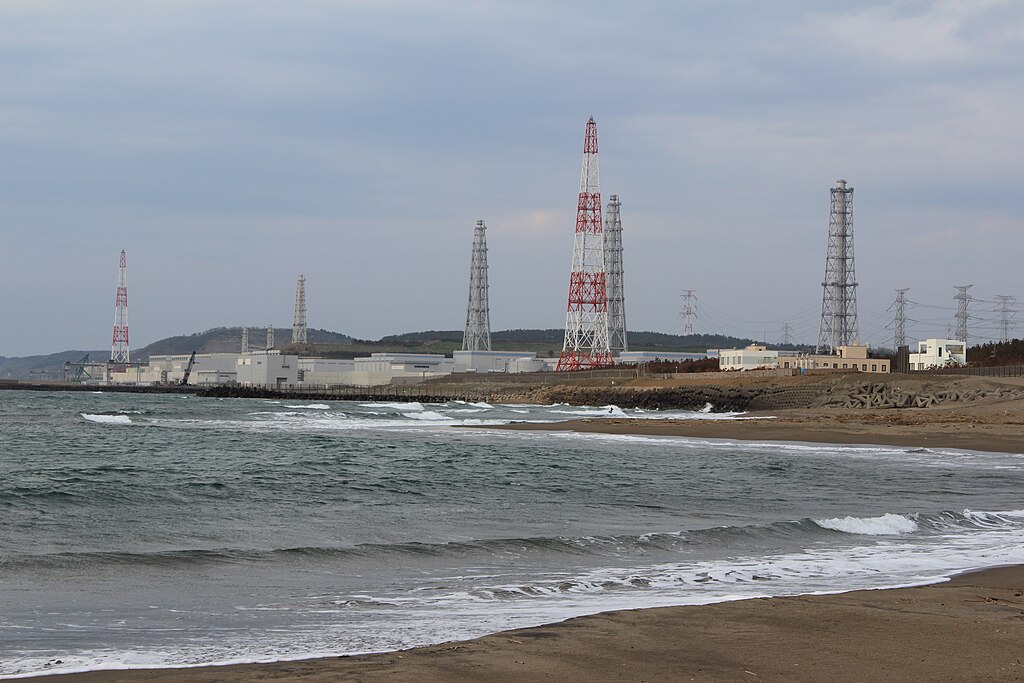
Japan is approaching a pivotal moment in its post-Fukushima energy policy as the Niigata regional assembly is expected to endorse the restart of the Kashiwazaki-Kariwa nuclear power plant, the largest nuclear facility in the world. The decision, anticipated on Monday, would mark a significant step in Japan’s renewed push toward nuclear energy more than a decade after the 2011 Fukushima Daiichi disaster.
Located about 220 kilometers northwest of Tokyo, Kashiwazaki-Kariwa was among 54 reactors shut down nationwide following the earthquake and tsunami that triggered the Fukushima crisis. Since then, Japan has restarted 14 of the 33 reactors still considered operable, aiming to reduce its heavy dependence on imported fossil fuels. If approved, Kashiwazaki-Kariwa would become the first nuclear plant restarted under Tokyo Electric Power Co (TEPCO), the same utility that operated Fukushima Daiichi.
TEPCO has emphasized strengthened safety measures, with spokesperson Masakatsu Takata stating the company is committed to preventing any repeat of past nuclear accidents. Public broadcaster NHK has reported that TEPCO is considering reactivating the first of the plant’s seven reactors as early as January 20, a move that could increase electricity supply to the Tokyo region by an estimated 2%.
Despite these assurances, public opposition remains strong. A prefectural survey released in October showed that 60% of Niigata residents believe conditions for a restart have not been met, while nearly 70% expressed concerns about TEPCO’s ability to operate the plant safely. To gain local support, TEPCO has pledged 100 billion yen over the next decade to Niigata, but skepticism persists, particularly among residents affected by the Fukushima disaster.
Prime Minister Sanae Takaichi has backed nuclear restarts as a way to strengthen energy security, curb rising import costs, and support Japan’s decarbonization goals. With fossil fuels still accounting for up to 70% of electricity generation and energy demand expected to rise due to AI data centers, Japan aims to double nuclear power’s share of its energy mix to 20% by 2040.
While energy experts see Kashiwazaki-Kariwa’s restart as a critical milestone, many locals fear it revives painful memories and risks, underscoring the ongoing tension between energy policy and public trust in nuclear power.







