


 ICE Officer Shoots Man in Austin, Sparking Calls for Independent Probe
  Bessent Presses Japan on Fiscal Policy as Yen Struggles
  Diana’s Brother Backs Security for Harry and Meghan
  White House Bars CNN, MS NOW and Politico Reporters
  Russian Drone Attacks Kill Four in Kyiv Region, Including Three Children
  Bessent, He Lifeng to Discuss AI Security and Trade in New York
  Israeli Strikes Across Gaza Leave at Least Three Dead
  Trump Plans Federal AI Force and AI Czar
  Mexico Pushes for US Trade Deal Before Midterms
  Trump-Xi Summit Puts Trade Truce and Taiwan in Focus
  Trump Open to Pezeshkian Meeting as Iran Tensions Escalate
  Trump, Iran Trade Threats as Middle East Tensions Escalate
  Trump Plans Military Complex Inside Washington Triumphal Arch
  United Russia Leads Russia Election as Ukraine Drones Hit Moscow
  Appeals Court Rejects Trump Third-Country Deportation Policy
  Michelle Bachelet Withdraws From UN Secretary-General Race
  Denmark Says Greenland Sovereignty Protected in US Military Deal


 Add as a preferred source on Google
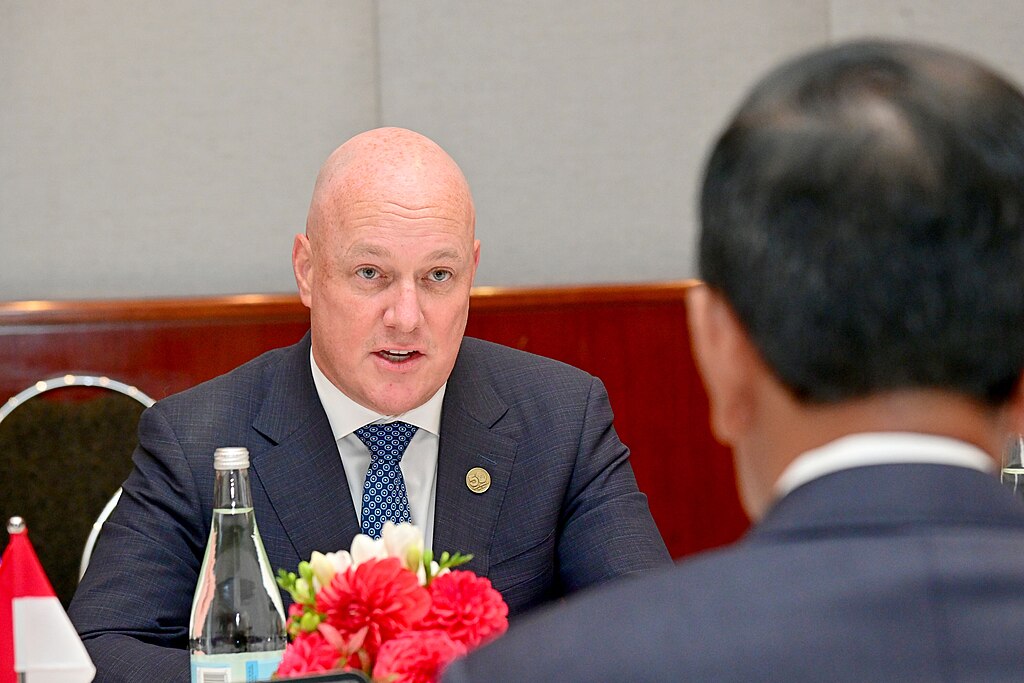
New Zealand’s mixed-member proportional (MMP) electoral system is back in the spotlight after Prime Minister Christopher Luxon said he was open to holding a referendum on how the country elects its parliament. The proposal has triggered political debate, with critics warning that changing the system could benefit New Zealand’s larger parties at the expense of smaller rivals.
New Zealand adopted MMP in 1996, replacing the British-style first-past-the-post system following concerns that smaller political parties were not adequately represented. Since then, coalition governments have become the norm, with either the centre-right National Party or centre-left Labour Party generally relying on smaller parties for support. Labour’s outright victory in 2020 was a notable exception.
Under New Zealand’s MMP electoral system, voters receive two votes: an electorate vote for a local candidate and a party vote. Electorate candidates who receive the most votes win their seats, while the nationwide party vote largely determines each party’s overall representation in parliament.
The country has 71 electorate seats, including seven Māori electorates. The remaining seats are filled from political party lists to make parliamentary representation broadly proportional to the party vote. Parliament usually has 120 MPs, meaning 61 seats are typically required for a majority government.
Parties generally need at least 5% of the nationwide party vote or victory in one electorate to enter parliament. However, “overhang” seats can increase parliament’s size when a party wins more electorates than its party-vote share would normally provide. Te Pāti Māori created an overhang after the 2023 election by winning six electorates despite receiving 3.1% of the party vote.
MMP has also given smaller parties significant influence over government formation. New Zealand First supported National following the 1996 election but helped Labour form a government in 2017. Te Pāti Māori previously supported National-led governments.
The 2017 result demonstrated one of MMP’s defining features: National won 56 seats compared with Labour’s 46 but could not secure a governing majority. Labour ultimately took power with New Zealand First and support from the Greens.
With the Opportunity Party potentially playing a pivotal role in the 2026 election, debate over New Zealand’s MMP system and its political future is likely to intensify.







