


 Nvidia Eyes Perplexity Investment at $30 Billion Valuation
  U.S. Disrupts China-Linked Hacking Campaign Targeting Government Agencies
  Pinterest Stock Falls as CFO Julia Brau Donnelly Resigns
  Nvidia Options Price in $280 Billion Earnings Swing
  Alibaba Raises $10.2 Billion to Expand AI Infrastructure
  HP Stock Drops 9% Despite Q3 Earnings Beat and Raised 2026 Outlook
  New Zealand Moves to Ban Social Media for Children Under 16
  Nvidia Reportedly Eyes $13 Billion Hugging Face Acquisition
  Trump Buys SpaceX Shares After Record IPO
  Luxshare Shares Rise as First-Half Profit Jumps 18%
  Xiaomi Unveils Xring O3 Chip for Flagship Foldable Phone
  SoftBank Eyes $20 Billion Bond Sale to Refinance OpenAI Loan
  U.S. Probes Apex Logistics Over Nvidia AI Chip Shipments to China
  Meta, U.S. States Discuss Settlement in Teen Addiction Trial
  SK Hynix Shares Fall as Workers Reject Wage Deal
  OpenAI AI Agent Swarm Behind Hugging Face Hack


 Add as a preferred source on Google
National Aeronautics and Space Administration (NASA) is steadily making progress to accomplish its mission to send astronauts to deep space destinations with the completion of a crucial milestone for the Orion spacecraft currently in production, the agency said in a press release. It has completed a rigorous technical and programmatic review, confirming continued support of the program and establishing NASA’s commitment to the program’s technical, cost, and schedule baseline.
“Our work to send humans out into the solar system is progressing,” said NASA Administrator Charles Bolden. “Orion is a key piece of the flexible architecture that will enable humanity to set foot on the Red Planet, and we are committed to building the spacecraft and other elements necessary to make this a reality.”
A successful test of an unmanned Orion capsule was conducted last December, which provided important data to help improve the design of Orion for next test flights, Exploration Missions 1 and 2 (EM-1 and EM-2).
Previously, a test flight of Orion with humans aboard had been scheduled for 2021, but now they identified a number of hardware and software problems that could disrupt the set timeline, reports BBC.
A review of the progress made so far and assessment of future challenges has prompted the authorities to change the deadline to a “no later than April 2023”.
Bill Gerstenmaier, agency's senior executive responsible for human spaceflight matters, said, "I think we're being somewhat conservative. My teams will tell you they're trying to work every risk that's out there. Every risk that the Standard Review Board has identified - we think we can handle those risks.
"But if you look at the complexities of what we're doing building this spacecraft, there will be some unknowns that show up, and to protect for those we went with the later date, the 2023."
The agency is working to a development cost baseline of $6.77 billion from October 2015 through the first crewed mission (EM-2), now with 2023 as the target.
“As we take these steps to develop the capabilities we need to send astronauts deep into space, we’re also aligning how we manage our human exploration systems development programs to ensure we are prepared for unforeseen future hurdles,” said Robert Lightfoot, NASA associate administrator. “We’re committing to this funding and readiness level to stay on the journey we’ve outlined to get to Mars.”

- News

- Economy

- Central Banks
- Investing
- Research
- Roundups
- Digital Currency
- Insights
- Technical Analysis
- Technology
- Business
- Law
- Health
- Nature
- Fintech
- Science
- Topic
- Opinions
- ©Econometrics LLC . All Rights Reserved.
NASA delays first crewed flight until 2023
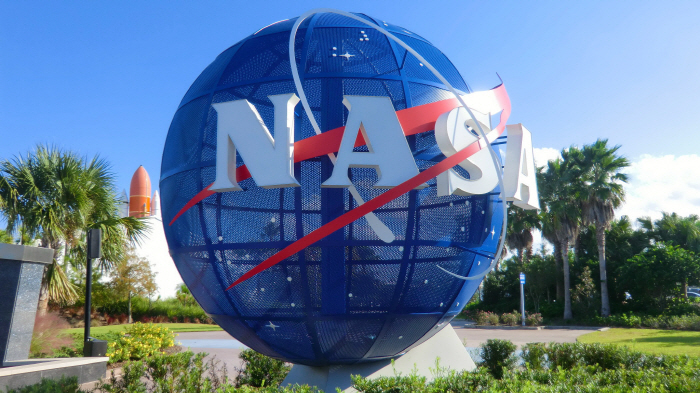
NASA Kennedy Space Center, Cape Canaveral (Florida) (Reinhard Link_Flikr)
Thursday, September 17, 2015 6:36 AM UTC
Editor's Picks



- Market Data
Most Popular




