


 Google Changes EU Spam Policy Amid Antitrust Scrutiny
  U.S. Disrupts China-Linked Hacking Campaign Targeting Government Agencies
  Faraday Future Delivers First Robots in Middle East, Plans September Launches
  Meta, U.S. States Discuss Settlement in Teen Addiction Trial
  Xiaomi Unveils Xring O3 Chip for Flagship Foldable Phone
  New Zealand Moves to Ban Social Media for Children Under 16
  BofA Names ASML Top Semiconductor Equipment Pick on Growth, Valuation
  Nvidia Eyes Perplexity Investment at $30 Billion Valuation
  Luxshare Shares Rise as First-Half Profit Jumps 18%
  Nvidia Revenue Soars 106% as AI Demand Hits ‘Inflection Point’
  Unitree Shares Plunge 45% After Blockbuster IPO, Raising China Tech Bubble Fears
  Trump Buys SpaceX Shares After Record IPO
  HP Stock Drops 9% Despite Q3 Earnings Beat and Raised 2026 Outlook
  U.S. Probes Apex Logistics Over Nvidia AI Chip Shipments to China
  SK Hynix Shares Fall as Workers Reject Wage Deal


 Add as a preferred source on Google
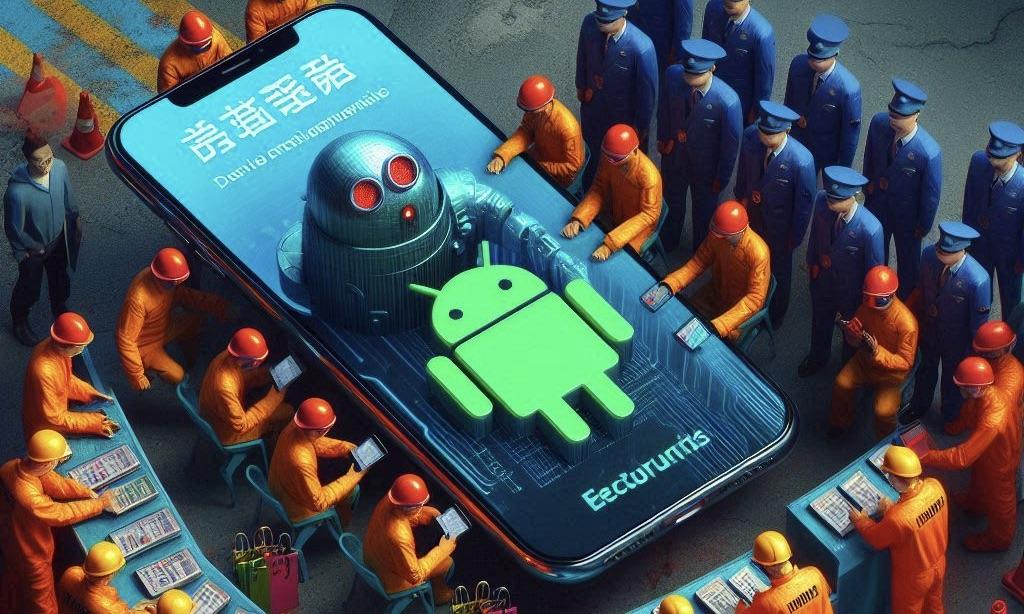
Microsoft is requiring all employees in China to switch from Android smartphones to iPhones, starting in September, as part of its Secure Future Initiative aimed at enhancing security.
Microsoft Enforces iPhone Transition for China Employees to Bolster Security Measures
Microsoft has mandated that all employees in China cease using Android smartphones in the workplace, forcing them to permanently transition to iPhones.
This directive is part of the company's Secure Future Initiative, which is dedicated to maintaining robust security. Given that non-iOS devices are at a higher risk of breaches, Microsoft sees this measure as a logical step.
According to Bloomberg's most recent report, Microsoft's personnel in China will be required to adjust to using iPhones daily starting in September of this year. An internal memo revealed that employees currently using Android handsets, including those manufactured by Xiaomi or Huawei, will receive an iPhone 15 as a one-time replacement.
Reports also indicate that Microsoft is establishing collection points throughout its offices in China to facilitate this transition. This strategy is not limited to mainland China but applies to Hong Kong.
Microsoft Cites Security and Ecosystem Cohesion for Mandating iPhones in China
The rationale behind the switch is practical; Microsoft has restricted access to app platforms operated by Huawei or Xiaomi and now requires employees to use iPhones to access the Microsoft Authenticator password manager and its Identity Pass application.
The fragmented nature of Android and the differences between the Chinese and foreign mobile ecosystems have made it challenging for Microsoft to implement a more robust security protocol. Monitoring is significantly simplified with iOS, as its integrated features allow for better security oversight.
AppleInsider reports (via Wccftech) that Microsoft has operated in the region since 1992, establishing a solid presence. However, the company has to publicly announce this latest move or disclose the number of employees in China.
It is noted that Microsoft's largest R&D center outside the United States is located in China, further justifying the switch to iPhones. Additionally, Microsoft has announced efforts to isolate vulnerabilities in the cloud, thereby increasing the difficulty of cyberattacks and breaches.
Photo: Microsoft Bing







