


 Sam Altman Moves to Dismiss Punitive Damages in Sister's Sexual Abuse Lawsuit
  TSMC Posts Record Q1 Profit Fueled by AI Chip Demand
  Netflix Q2 Profit Warning Sends Shares Tumbling as Reed Hastings Exits
  ASML Raises 2026 Revenue Outlook as AI Chip Demand Surges
  Federal Agencies Secretly Test Anthropic's AI Despite Trump Administration Ban
  Samsung Races to Deliver Next-Gen HBM4E Memory Samples to Nvidia
  CATL Stock Hits Record High After Q1 2025 Earnings Surge
  Amazon in Advanced Talks to Acquire Globalstar in Starlink Rivalry Move
  Qantas Raises Fuel Cost Forecast Amid Middle East Oil Crisis
  Tesla's Terafab: AI Chip Factory Eyes Taiwan's Semiconductor Talent
  Federal Judge Dismisses DOJ Lawsuit Attempting to Block Hawaii's Climate Case Against Oil Giants
  KKR's $820M Investment Fuels Samsung SDS AI Expansion, Sending Group Shares Soaring
  NiSource Signs Long-Term Energy Deals with Alphabet and Amazon to Power Indiana Data Centers
  Goldman Sachs FICC Revenue Falls 10% Amid Iran War Market Volatility
  Daikin Industries Stock Surges 14% After Elliott Investment Management Discloses Major Stake
  OpenAI's $20 Billion Cerebras Deal Signals Massive AI Infrastructure Push
  DEEPX Partners with Hyundai to Power Next-Gen AI Robots Ahead of IPO


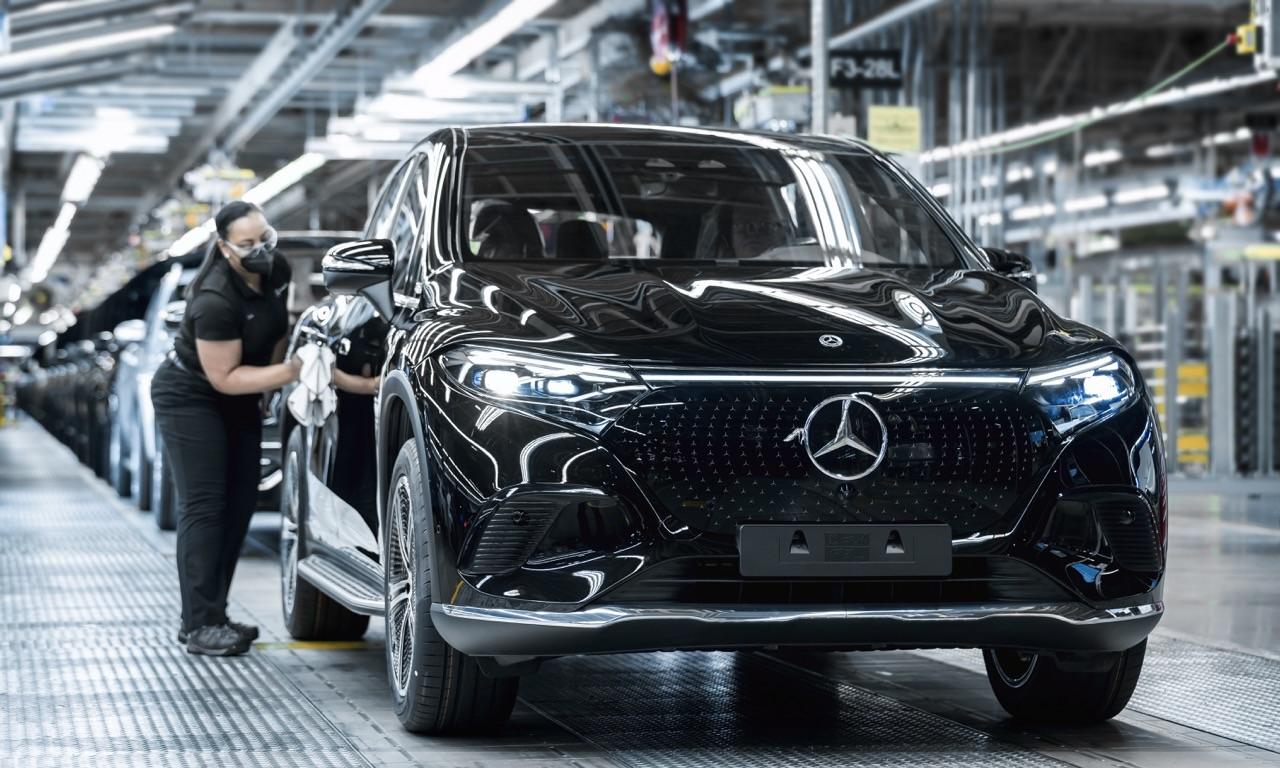
Mercedes-Benz has announced a delay in its electrification objective by five years, signaling a continued focus on refining its combustion engine lineup. The luxury carmaker now anticipates that electrified vehicles, including hybrids, will represent up to 50% of its total sales by 2030.
Investment Challenges and Production Realignment
Despite widespread industry optimism around electric vehicle (EV) demand, Mercedes-Benz's decision reflects the mismatch between investment in EV technologies and actual market demand. US News noted that the company's recalibration of production plans underscores the complex challenges in transitioning to electric mobility.
CEO Ola Kaellenius, according to Reuters, emphasized the company's commitment to evolving combustion engine technologies to meet future demands. Kaellenius's forward-looking vision positions Mercedes-Benz for a significant product lineup refresh in 2027, extending its market relevance well into the 2030s.
The announcement of the strategic shift propelled Mercedes-Benz's stock price up by 5.9%, bolstered further by a substantial 3 billion euro share buyback program. However, concerns about slower economic growth and lingering supply chain disruptions tempered the company's outlook for 2024.
Challenges and Forecasts for 2024
Mercedes-Benz foresees continued supply chain challenges impacting its first-quarter sales, with component shortages hindering production. Despite the setback, the company expects electrified vehicle sales to remain steady at around 19-21% of total sales.
In 2023, the luxury carmaker reported an adjusted return on sales of 12.6% in its car division, reflecting the impact of inflation and supply chain constraints. Looking ahead to 2024, Mercedes-Benz anticipates lower returns on sales, projecting a range of 10-12% for cars and 12-14% for vans.
Mercedes-Benz's strategic realignment underscores its proactive stance in navigating the evolving automotive landscape. The company's commitment to innovation and adaptability positions it to thrive amidst changing market dynamics.
As part of its broader strategy, Mercedes-Benz is increasing its investment in sustainable technologies, particularly electrification and digitalization. The company is allocating substantial resources to the development of electric vehicles (EVs) and expects to introduce new EV models by the end of the decade.
In parallel, it invests in digital services and autonomous driving technologies, recognizing these areas as key drivers for future growth. This strategic pivot reflects Mercedes-Benz's commitment to sustainability and its adaptability to consumer preferences and regulatory pressures for greener transportation solutions.
Photo: Mercedes-Benz Media







