


 OpenAI Data Center Chief Chris Malone Exits Ahead of Planned 2027 Listing
  SK Hynix Shares Fall as Workers Reject Wage Deal
  US Military Uses Laser to Shoot Down Cartel Drones at Mexico Border
  U.S. Disrupts China-Linked Hacking Campaign Targeting Government Agencies
  Trump Buys SpaceX Shares After Record IPO
  HP Stock Drops 9% Despite Q3 Earnings Beat and Raised 2026 Outlook
  U.S. Probes Apex Logistics Over Nvidia AI Chip Shipments to China
  SoftBank Plans Record $6.3 Billion Bond Sale to Fund OpenAI Investments
  BofA Names ASML Top Semiconductor Equipment Pick on Growth, Valuation
  SEC Moves to Dismiss Insider Trading Case Against Trump-Pardoned Terren Peizer
  New Zealand Moves to Ban Social Media for Children Under 16
  Mercer International Stock Surges 45% on C$20 Million Canada Funding
  US Sailor’s Father Detained by Immigration Authorities
  Street Poller Media and The Boom of the Street Interview Ad Industry
  European Allies Seek to Reassure Pentagon as US Reviews Troop Presence
  FAA to Pause Reagan National Airport Flights for Freedom 250 IndyCar Race
  Trump Escalates Canada Trade War With 50% Tariffs


 Add as a preferred source on Google
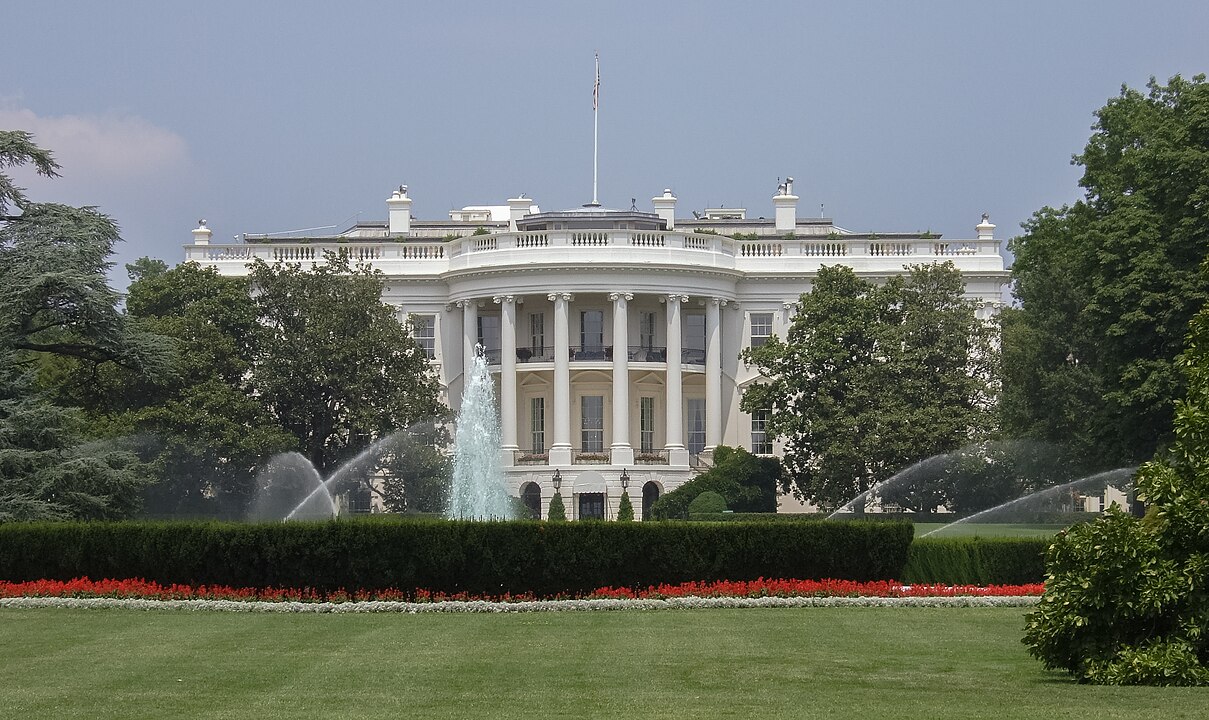
Despite a formal directive from President Donald Trump ordering federal agencies to stop using Anthropic's artificial intelligence technology, multiple U.S. government bodies have been quietly evaluating the company's latest AI model, according to a Politico report. The move signals a growing tension between executive policy and the urgent demand for cutting-edge cybersecurity tools.
Staff from several agencies, including the Commerce Department's Center for AI Standards and Innovation, have reportedly been testing Anthropic's newest model, referred to as "Claude Mythos." The system has captured significant attention within government circles due to its advanced capability to identify critical software vulnerabilities — flaws that often go undetected by even the most experienced human cybersecurity professionals.
The Trump administration's ban on Anthropic's technology stems from disputes over the company's position on military and surveillance applications. However, federal officials appear willing to work around that restriction, quietly assessing and potentially deploying the model based on its perceived value in strengthening national cyber defenses.
Interest has extended beyond the executive branch. Members of Congress and their staff have also requested briefings on the AI system, reflecting mounting concern that foreign adversaries — particularly well-resourced state actors — could develop or already be leveraging similar technologies to exploit American infrastructure.
The White House has acknowledged its continued engagement with artificial intelligence companies to assess and mitigate security risks, while emphasizing the need to balance those efforts against broader national security priorities.
This situation highlights a larger debate unfolding across Washington: as AI capabilities rapidly advance, federal agencies are increasingly struggling to reconcile restrictive policy frameworks with the practical need to stay ahead of emerging cyber threats. The quiet testing of banned technology suggests that for some officials, national security may ultimately outweigh political directives.







