


 Iran-U.S. Conflict Escalation Threatens Global Oil Supply and Economic Stability
  US Proposes Maritime Freedom Construct to Secure Strait of Hormuz Shipping
  Panama Defends Port Takeover Amid U.S.-China Tensions and Canal Dispute
  U.S. Flags Vietnam as “Priority Foreign Country” Over Intellectual Property Concerns
  US House Advances $70 Billion Immigration Enforcement Budget Plan
  Aung San Suu Kyi Moved to House Arrest Amid Myanmar Political Crisis
  Russian Drone Strikes Hit Odesa Again, Injuring Civilians and Damaging Infrastructure
  Comey Faces Charges Over Instagram Post as Free Speech Debate Intensifies
  Trump White House Dinner Attack: Secret Service Denies Friendly Fire in Agent Shooting
  Trump Considers Reducing U.S. Troops in Germany Amid NATO Tensions
  Trump Congratulates Ali al-Zaidi on Iraq Prime Minister Nomination, Signals Strong U.S.-Iraq Ties
  Sheinbaum Questions U.S. Charges Against Sinaloa Governor Rocha, Calls for Clear Evidence
  Taiwan Independence Explained: History, Status, and Rising China Tensions
  UN Chief Says U.S. UN Funding Obligations Are Non-Negotiable Amid Reform Demands
  Japan Eases Arms Export Rules, Opening Door for Potential Ukraine Defense Support
  US Adds European Union to Section 301 Watchlist Amid Trade Concerns
  Iran Threatens Prolonged Strikes as Strait of Hormuz Crisis Drives Global Oil Surge


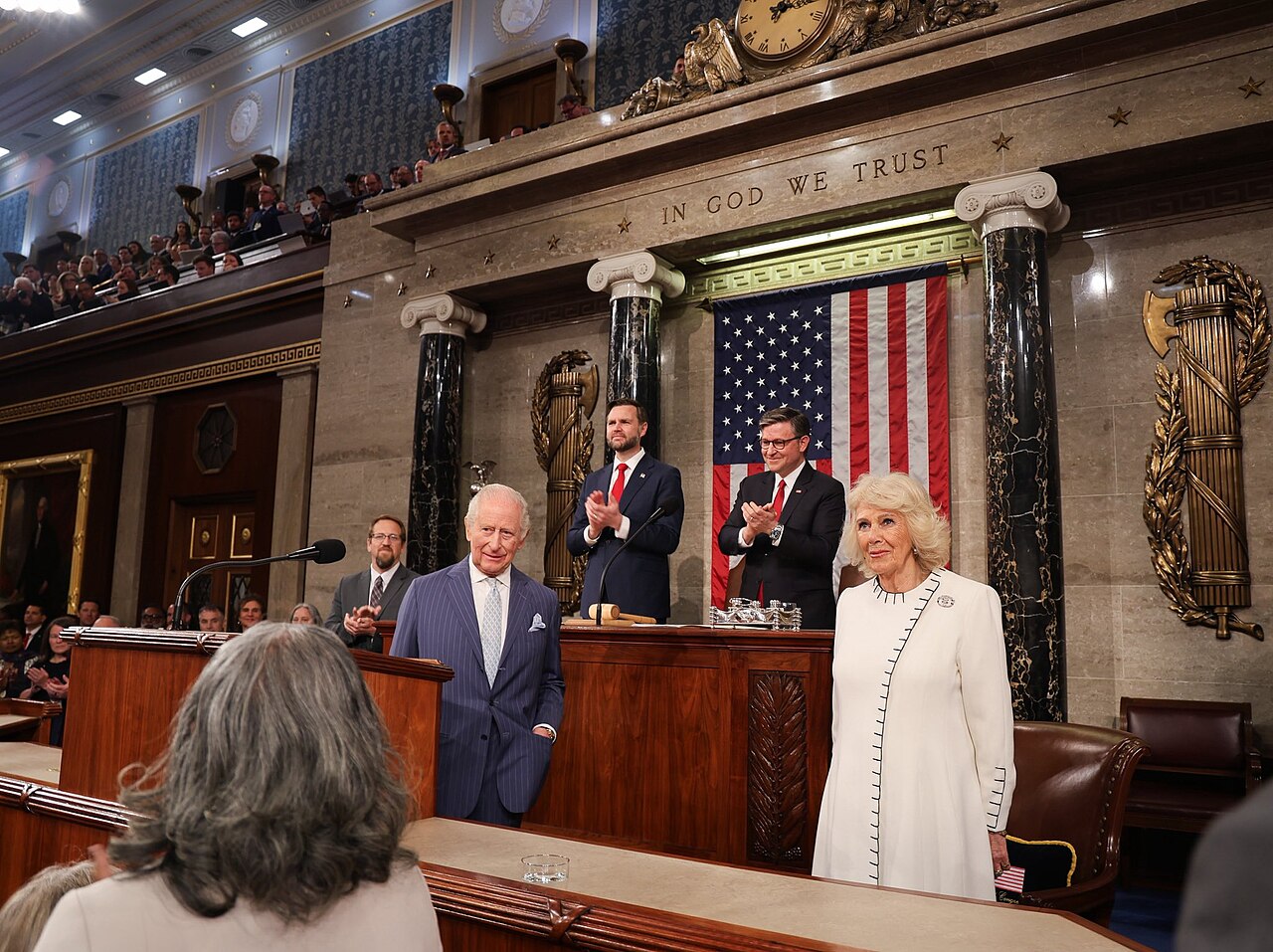
Britain’s King Charles III and Queen Camilla concluded their four-day state visit to the United States with a brief stop at the White House, where they said goodbye to U.S. President Donald Trump. The visit, which highlighted the enduring UK-US relationship, included a formal state dinner earlier in the week that appeared to strengthen ties between the two leaders.
The royal couple spent only a few minutes inside the White House before heading to Virginia for the final leg of their trip. Their itinerary showcased small-town American culture, featuring marching bands, Little League baseball, bluegrass music, and visits to the scenic Blue Ridge Mountains. The visit blended diplomacy with cultural engagement, emphasizing shared traditions between the United Kingdom and the United States.
The official purpose of the royal tour was to commemorate the 250th anniversary of American independence from British rule. King Charles added humor to the occasion by referencing his ancestor, King George III, who ruled Britain during the American Revolutionary War. Despite the historical context, the visit aimed to reinforce what Charles described as an “unbreakable bond” between the two nations.
Recent tensions had emerged due to the UK’s decision not to join a U.S.-Israeli military campaign involving Iran. However, President Trump expressed admiration for King Charles, calling him a “great friend” and suggesting that their positive relationship could influence broader diplomatic ties with the British government.
During the trip, King Charles also paid respects at Arlington National Cemetery and honored victims of the September 11 attacks in New York City. In Virginia, the royals attended a community gathering in Front Royal, where locals welcomed them with traditional American foods and festivities, including a “potluck” meal featuring regional dishes.
The visit concluded with plans for King Charles to travel to Bermuda, marking his first visit there as monarch. Overall, the royal tour underscored diplomatic goodwill, cultural exchange, and the ongoing importance of the US-UK alliance in global politics.







