


 Ukraine-Russia War: Frontline Updates as Spring Offensive Looms
  Chinese Universities with PLA Ties Found Purchasing Restricted U.S. AI Chips Through Super Micro Servers
  Trump Seeks Quick End to U.S.-Iran Conflict Amid Ongoing Middle East Tensions
  Iran Demands Lebanon Be Part of Any Ceasefire Deal With Israel and the U.S.
  G7 Foreign Ministers Gather in France Amid Global Tensions and U.S. Policy Uncertainty
  U.S. Praises Kurdistan's Role in Oil Markets Amid Iran War Fallout
  Russia-Iran Military Alliance Deepens With Drone Shipments Amid Middle East Tensions
  Iran-U.S. Negotiations: Tehran Reviews American Peace Proposal Amid Ongoing Gulf Conflict
  What does China’s host bid mean for the High Seas Treaty?
  FEMA Reinstates $1 Billion Disaster Prevention Grant Program After Court Order
  Russia Strikes Kharkiv and Izmail as Cross-Border Drone War Escalates
  US Military Eyes 10,000 Troop Surge to Middle East Amid Iran Nuclear Tensions
  China Opens Door to Stronger U.S. Trade Ties Amid Rising Tensions
  Russia Accused of Helping Iran Target U.S. Forces, European Powers Tell G7
  Taiwan Arms Deal on Track Despite U.S.-China Summit Uncertainty
  Iran Allows Oil Tankers Through Strait of Hormuz Amid U.S. Negotiations
  SMIC Allegedly Supplies Chipmaking Tools to Iran's Military, U.S. Officials Warn


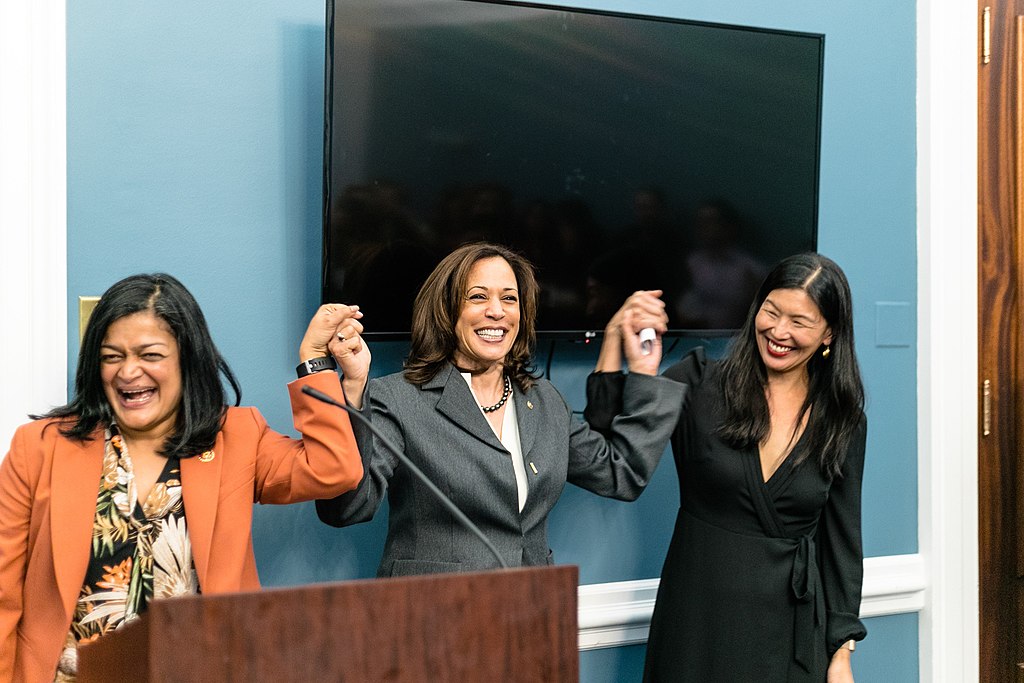
Kamala Harris' proposed tax policies are sparking serious concerns after a recent analysis from the Tax Foundation. The organization revealed alarming figures, projecting that her plans could result in almost 800,000 job losses in the long run and a devastating 2% reduction in GDP. Critics are now sounding the alarm about what they view as the potential fallout from the Vice President's economic strategies.
Job Losses and GDP Decline: The Hard Numbers
According to the Tax Foundation’s report, Harris’ tax proposals could bring severe consequences to the American economy. The analysis highlights that nearly 800,000 jobs would be lost over time as companies struggle to adjust to higher tax rates and increased regulatory burdens. The forecast also predicts a 2% drop in long-term GDP, underscoring the potential hit to economic growth that could be felt across industries.
What's Behind the Job Losses?
The proposed tax increases on corporations and high-income earners are among the most criticized aspects of Harris' plan. While designed to redistribute wealth and fund social programs, the higher taxes could, according to the report, force businesses to downsize and relocate their operations to countries with more favorable tax rates. This is expected to lead to significant job cuts across multiple sectors, from manufacturing to technology.
Many economists agree that such aggressive tax policies could stifle economic expansion, leading to fewer opportunities for workers and a slowdown in overall productivity. In response, Harris supporters argue that these tax reforms are necessary to fund essential programs such as healthcare, education, and infrastructure.
Impact on Small Businesses
In addition to job losses in larger corporations, small businesses are expected to feel the pinch as well. The Tax Foundation suggests that the proposed tax hikes could limit the ability of small enterprises to invest and grow, leading to lower wages, fewer hiring opportunities, and, in some cases, closures.
Opponents of Harris’ tax policies warn that this could hurt the backbone of the American economy—small businesses that drive innovation and job creation in local communities.
Critics Call It a 'Bloodbath'
John Hasson, a political commentator, took to social media to express his outrage, calling the analysis a "bloodbath." He emphasized the far-reaching implications of Harris' tax agenda, suggesting that it would damage not just the wealthy but also middle-class Americans who could lose their jobs as companies cut costs to offset the higher tax burden.
“Holy crap,” Hasson tweeted, “The Tax Foundation analyzed Kamala’s proposed tax policies—and it’s an absolute bloodbath.” His stark warning was quickly picked up by other conservative commentators who echoed his concerns about the future of the U.S. economy under such policies.
Harris' Defense and Supporters' Counterarguments
While Harris faces a wave of criticism, her supporters contend that her tax proposals are a necessary step toward reducing income inequality and funding critical social services. They argue that the economic downturn projected by opponents is exaggerated and that the long-term benefits of a more equitable society outweigh the short-term losses.
Regardless of where the truth lies, the debate around Kamala Harris’ tax policies is heating up, with significant stakes for both the job market and the overall economy.







