


 Samsung Shares Tumble 8% as $79 Billion Return Plan Disappoints
  U.S. Disrupts China-Linked Hacking Campaign Targeting Government Agencies
  HP Stock Drops 9% Despite Q3 Earnings Beat and Raised 2026 Outlook
  Tennessee Plans to Rename Nashville Airport After Dolly Parton
  Ecuador Court Convicts Ex-President Lenin Moreno in Bribery Case
  Pentagon Eyes U.S. Troop Cuts in Europe Amid NATO Review
  Salesforce Shares Surge as AI Demand Powers Q2 Earnings Beat
  Judge Rejects Minnesota Bid to Force ICE Agent Extradition
  Trump Buys SpaceX Shares After Record IPO
  SoftBank Eyes $20 Billion Bond Sale to Refinance OpenAI Loan
  U.S. Probes Apex Logistics Over Nvidia AI Chip Shipments to China
  Mojtaba Khamenei’s Absence Fuels Iran Leadership Doubts
  UN Criticizes US Terror Label for Palestine Action
  Unitree Shares Plunge 45% After Blockbuster IPO, Raising China Tech Bubble Fears
  Xiaomi Unveils Xring O3 Chip for Flagship Foldable Phone
  Nvidia Revenue Soars 106% as AI Demand Hits ‘Inflection Point’
  BNP Paribas, KB Kookmin Eye $2 Billion Techcombank Stake


 Add as a preferred source on Google
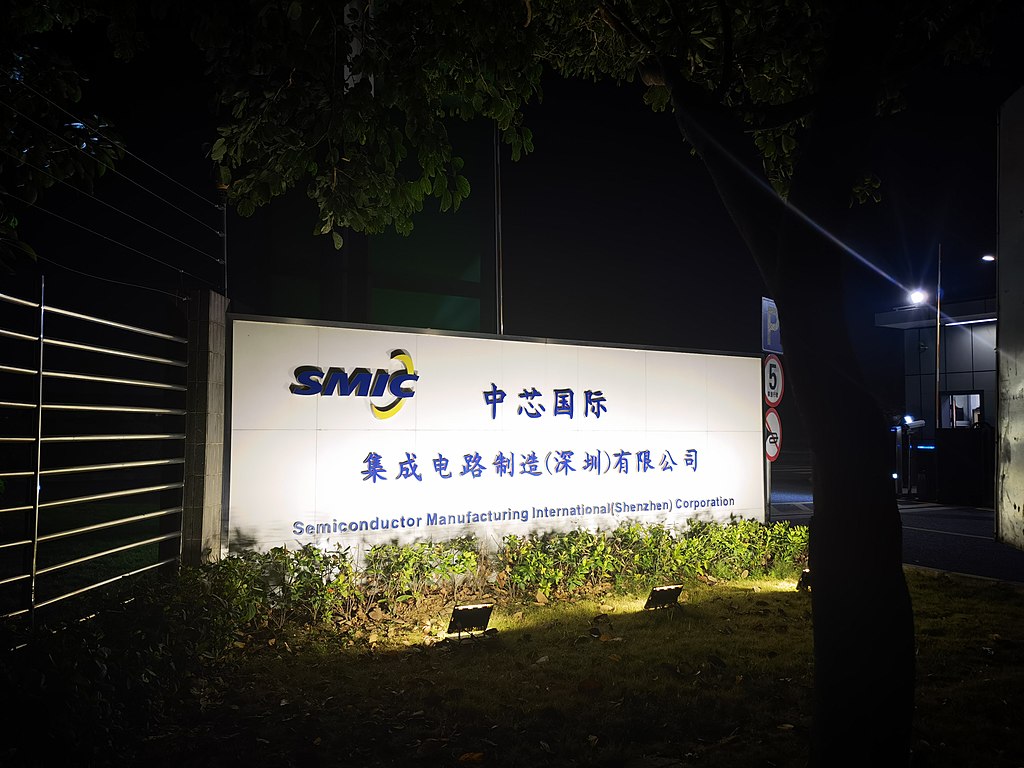
China's top semiconductor manufacturer, SMIC (Semiconductor Manufacturing International Corporation), has reportedly been transferring chipmaking equipment to Iran's military industrial complex, according to two senior Trump administration officials. The disclosure raises serious concerns about Beijing's role amid the ongoing U.S.-Israeli military conflict with Iran, now entering its second month.
According to the officials, who spoke anonymously to protect classified information, the transfers began approximately one year ago and are believed to be ongoing. Beyond hardware, the collaboration is said to have included technical training on SMIC's semiconductor technologies — equipping Iran's defense sector with potentially critical electronics manufacturing capabilities.
Neither SMIC, the Chinese Embassy in Washington, nor Iran's UN mission responded to requests for comment. SMIC, which was placed on a U.S. trade blacklist in 2020 over alleged ties to China's military, has consistently denied those connections. Beijing, meanwhile, insists it conducts only legitimate commercial trade with Tehran and has maintained a publicly neutral stance on the Middle East conflict. Chinese Foreign Minister Wang Yi recently urged all parties to pursue peace negotiations.
The allegations arrive at a diplomatically volatile moment. Washington has aggressively worked to restrict China's advanced chip industry through sweeping sanctions targeting SMIC and other manufacturers, limiting their access to cutting-edge equipment from American suppliers like Lam Research, KLA, and Applied Materials. The Biden administration further tightened these restrictions in 2024 after SMIC produced a high-performance chip for Huawei's Mate 60 Pro smartphone.
The reported chip tool transfers, combined with a separate Reuters report indicating Iran was near a deal with China for anti-ship cruise missiles, suggest deepening military-industrial ties between Beijing and Tehran — developments that could significantly strain U.S.-China relations and complicate Washington's broader strategy in the Middle East.







