


 Serbia Protests Continue as Thousands Rally Despite Vucic’s Resignation Plan
  Trump Questions Housing Bill as He Prioritizes SAVE America Act
  China Expands Export Controls, Adds 20 Japanese Companies to Restricted List
  Israeli Airstrike Kills Three in Central Gaza Despite Ceasefire
  Trump Suspends Some Morocco Fertilizer Tariffs to Ease U.S. Supply Shortage
  Russian Attacks on Dnipro, Zaporizhzhia, and Kharkiv Kill 10 as Ukraine Vows Response
  Trump Announces September Overhaul of Washington’s East Potomac Golf Links
  Trump Threatens 100% Tariffs on Countries Imposing Digital Services Taxes on U.S. Tech Firms
  Russia Intensifies Assault on Kostiantynivka as Ukraine’s Donetsk Defense Faces Mounting Pressure
  Supreme Court Backs Lisa Cook, Defends Federal Reserve Independence Against Trump Firing Attempt
  Maria Corina Machado’s Return to Venezuela Faces U.S. Hesitation After Deadly Earthquakes
  Australia Plans Higher Fines for Social Media Firms Failing to Block Underage Users
  Ukraine Strikes Russian Titan-Barrikady Plant With Long-Range FP-5 Flamingo Missile
  Iran Launches Drone Attack on Bahrain After U.S. Strikes, Strait of Hormuz Tensions Escalate
  Australia, Vanuatu Sign Security Pact Amid Pacific Influence Competition
  Taiwan Coast Guard Officer Finds Strength in Faith as China Increases Pressure in Taiwan Strait


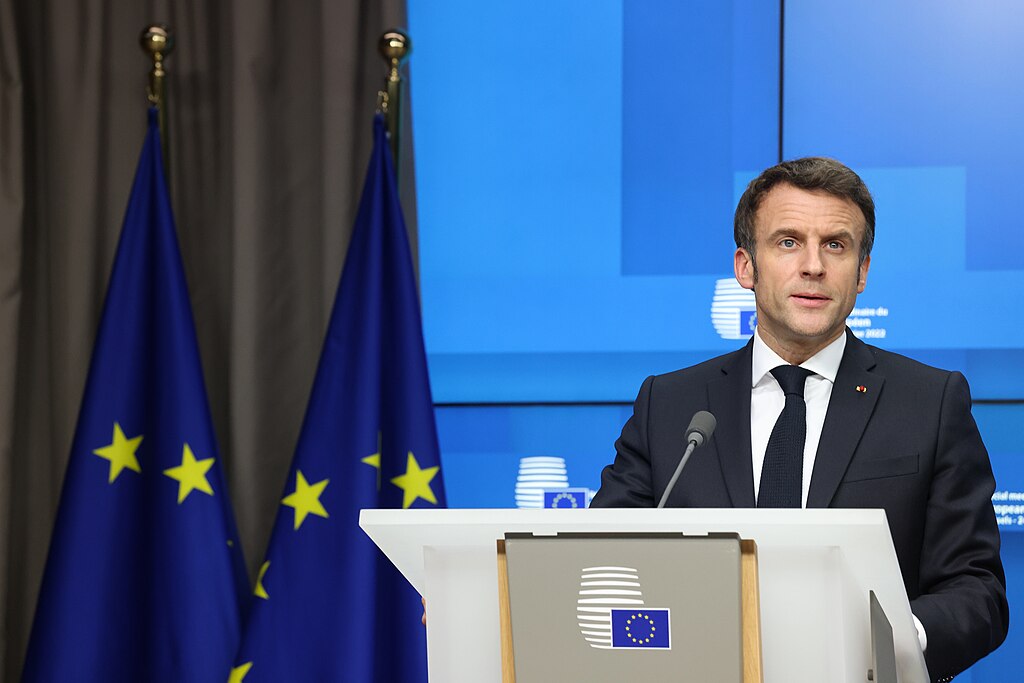
France has officially denied that South Africa was dropped from the G7 leaders' summit guest list due to pressure from Washington, stating that Kenya was chosen as Africa's representative ahead of President Emmanuel Macron's planned visit to the country. The summit is scheduled for June 15–17 in Evian-les-Bains, with India, South Korea, Brazil, and Kenya confirmed as invited guests.
South Africa, a longtime G7 summit participant, claimed the French embassy in Pretoria informed its government roughly two weeks ago that the United States had threatened to boycott the event if South Africa received an invitation. South African presidential spokesperson Vincent Magwenya acknowledged the decision, noting that his country accepted it and recognized the diplomatic pressure France had faced.
French officials, however, pushed back on this narrative, emphasizing that the choice to invite Kenya was intentional and tied to Macron's upcoming two-day Africa-France summit in Nairobi in May. A White House statement supported France's explanation, confirming that G7 members collectively agreed in January to extend an invitation to an African nation, ultimately settling on Kenya.
The diplomatic tension surrounding South Africa's exclusion reflects broader friction between Pretoria and the Trump administration. Washington has openly criticized South Africa's foreign policy positions and domestic race legislation, previously boycotted the G20 summit held in Johannesburg, and sidelined the country from G20 meetings this year.
Beyond the guest list controversy, France hopes the summit will address long-term economic concerns, including pressuring China to stimulate domestic consumption, urging the U.S. to reduce fiscal deficits, and encouraging Europe to increase productivity. However, these goals risk being overshadowed by the ongoing energy crisis stemming from the U.S.-Israeli conflict with Iran, growing transatlantic tensions, and uncertainty over whether President Trump will attend the summit at all.







