


 Wicker Urges US to Uphold Taiwan Security Commitments
  Fed Rate Hike Threatens Housing as U.S. Growth Leans on AI, Citi Says
  Trump Denies Offering Iran Sanctions Relief for Nuclear Concessions
  XRP Price Targets $1.70 as Bullish Momentum Builds
  Asian Stocks Fall as Oil Surge, Bond Yields and AI Concerns Hit Markets
  US Alcohol Ban Exposes Canada’s Internal Trade Barriers
  US Forces Exit Iraq as Iran Influence and ISIS Risks Grow
  Asian Stocks Rise as Bond Yields Ease Ahead of U.S. Inflation Data
  BlackRock’s Rick Rieder Favors Bonds Over Stocks as Treasury Yields Surge
  Trump, Tech Leaders Sign ‘Morally Binding’ AI Safety Accord
  Japan Factory Output Unexpectedly Falls 1.7% in August
  Polymarket Traders Bet on Trump AI Rename to ‘Super Intelligence’
  U.S. Stock Futures Fall as Iran, Oil and AI Risks Rattle Markets
  Central Banks Could Buy 20,000 Tonnes of Gold: BofA


 Add as a preferred source on Google
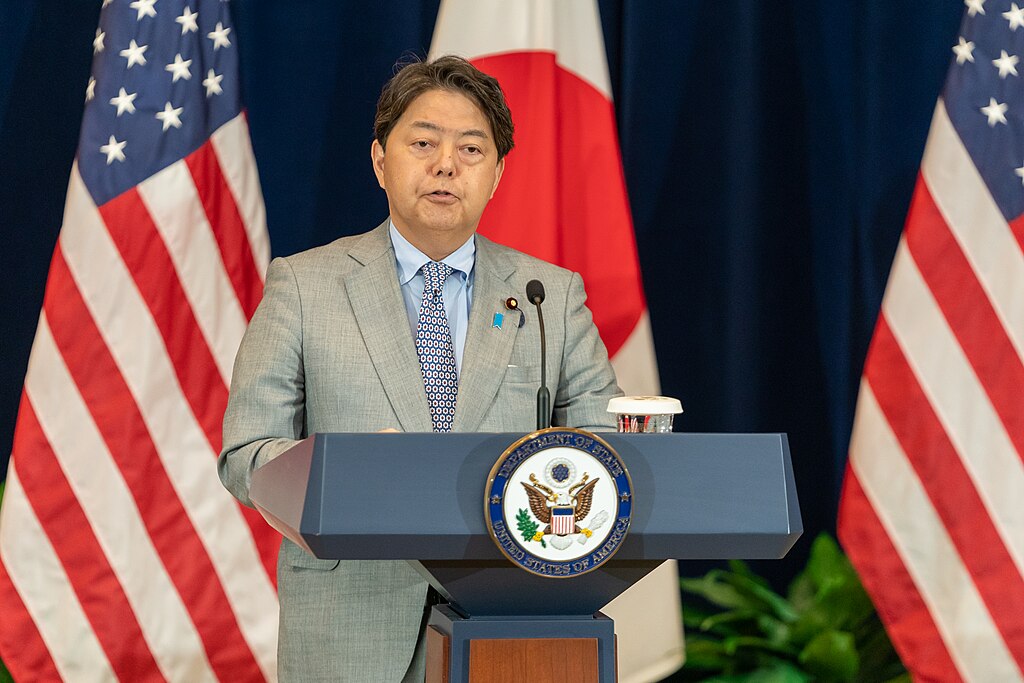
Japan’s top government spokesperson and ruling party leadership contender, Yoshimasa Hayashi, said the Bank of Japan’s (BOJ) plan to gradually raise interest rates aligns with the government’s economic outlook. Speaking to Reuters, Hayashi noted that Japan is moving past its traditional aversion to a strong yen, with policymakers now focused on inflation driven by currency weakness and rising import costs.
Hayashi explained that the yen’s decline, combined with surging oil prices after Russia’s invasion of Ukraine, created cost-push inflation rather than demand-led growth. While import-driven price pressures have eased, domestic wages and staple food prices, including rice, continue to climb. With inflation holding above the BOJ’s 2% target for more than three years, Governor Kazuo Ueda has signaled a slow normalization of rates, currently at 0.5%, toward neutral levels.
The remarks came after the BOJ decided to begin selling risky assets and a split vote on interest rates fueled expectations of an early hike. Hayashi emphasized the BOJ is working closely with the government to ensure policy consistency.
As a candidate in the Liberal Democratic Party’s (LDP) leadership race set for October 4, Hayashi promised targeted relief measures for households hit by higher living costs, alongside disaster preparedness spending. However, he stressed that stimulus should remain modest to avoid deficit financing, setting him apart from rival Sanae Takaichi, who has pledged aggressive fiscal expansion.
A veteran lawmaker with experience in defense, foreign affairs, and agriculture, Hayashi currently serves as chief cabinet secretary. In a recent Mainichi poll, he ranked third among LDP supporters with 11%, trailing Shinjiro Koizumi at 40% and Takaichi at 22%. The outcome of the leadership race will likely determine Japan’s next prime minister.







