


 Nicaragua Ends Visa-Free Entry for Cubans, Disrupting Key Migration Route to the U.S.
  Japan Election 2026: Sanae Takaichi Poised for Landslide Win Despite Record Snowfall
  Bosnian Serb Presidential Rerun Confirms Victory for Dodik Ally Amid Allegations of Irregularities
  Trump’s Inflation Claims Clash With Voters’ Cost-of-Living Reality
  Trump Slams Super Bowl Halftime Show Featuring Bad Bunny
  Anutin’s Bhumjaithai Party Wins Thai Election, Signals Shift Toward Political Stability
  Japan’s Prime Minister Sanae Takaichi Secures Historic Election Win, Shaking Markets and Regional Politics
  Ohio Man Indicted for Alleged Threat Against Vice President JD Vance, Faces Additional Federal Charges
  US Pushes Ukraine-Russia Peace Talks Before Summer Amid Escalating Attacks
  Trump Administration Appeals Court Order to Release Hudson Tunnel Project Funding
  Trump Lifts 25% Tariff on Indian Goods in Strategic U.S.–India Trade and Energy Deal
  Netanyahu to Meet Trump in Washington as Iran Nuclear Talks Intensify
  Jack Lang Resigns as Head of Arab World Institute Amid Epstein Controversy
  U.S. Lawmakers to Review Unredacted Jeffrey Epstein DOJ Files Starting Monday
  Taiwan Says Moving 40% of Semiconductor Production to the U.S. Is Impossible
  China Overturns Death Sentence of Canadian Robert Schellenberg, Signaling Thaw in Canada-China Relations
  Trump Allows Commercial Fishing in Protected New England Waters


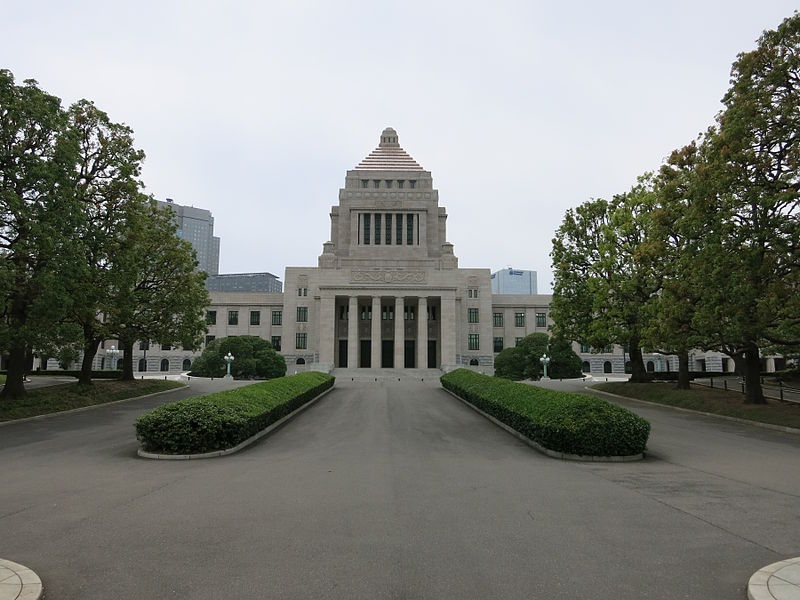
The lower house of parliament in Japan has passed the record budget for the government for the coming fiscal year. The new budget would include record defense spending in the face of threats coming from North Korea and China.
On Tuesday, Japan’s lower house of parliament passed the record budget of ¥114.4 trillion for the next fiscal year, which starts in April. The budget for the coming fiscal year includes record military spending to tackle the threats coming from China and North Korea. The budget also includes record welfare spending for the country’s aging population.
Japanese Prime Minister Fumio Kishida’s administration has also hinted at another plan to increase childcare funding in the hope of arresting the dropping birth rate. As the budget is passed by the lower house, the upper house of parliament is highly likely going to approve the proposal.
Japan is already currently dealing with 263 percent more debt as the country increases spending packages and the increased welfare costs. This is double the ratio of the United States and the highest among the world’s biggest economies.
The controversial plan by Kishida to increase the country’s defense spending to two percent of its GDP by 2027 has contributed to a record ¥6.8 trillion increase in spending. Japan must also tackle the rising interest rates that, while still below the rates in the US and Europe, are testing the country’s central bank’s ability to keep borrowing costs low.
On Wednesday, South Korean President Yoon Suk-yeol stressed the importance of trilateral cooperation with Japan and the US to tackle increased threats from North Korea and its nuclear program. Yoon’s remarks were part of his speech commemorating the anniversary of South Korea’s March First independence movement against Japan’s occupation of Korea from 1910 to 1945.
“Japan has transformed from a militaristic aggressor of the past into a partner that shares the same universal values as us,” said Yoon in his remarks. “Today Korea and Japan cooperate on issues of security and economy. We also work together to cope with global challenges…We must stand in solidarity with countries that share universal values.”













