


 Japan’s Prime Minister Sanae Takaichi Secures Historic Election Win, Shaking Markets and Regional Politics
  Trump Backs Nexstar–Tegna Merger Amid Shifting U.S. Media Landscape
  New York Legalizes Medical Aid in Dying for Terminally Ill Patients
  Trump Congratulates Japan’s First Female Prime Minister Sanae Takaichi After Historic Election Victory
  Trump Administration Appeals Court Order to Release Hudson Tunnel Project Funding
  U.S. Lawmakers to Review Unredacted Jeffrey Epstein DOJ Files Starting Monday
  Nicaragua Ends Visa-Free Entry for Cubans, Disrupting Key Migration Route to the U.S.
  Bangladesh Election 2026: A Turning Point After Years of Political Suppression
  Trump Slams Super Bowl Halftime Show Featuring Bad Bunny
  US Pushes Ukraine-Russia Peace Talks Before Summer Amid Escalating Attacks
  China Overturns Death Sentence of Canadian Robert Schellenberg, Signaling Thaw in Canada-China Relations
  Japan Election 2026: Sanae Takaichi Poised for Landslide Win Despite Record Snowfall
  Sydney Braces for Pro-Palestine Protests During Israeli President Isaac Herzog’s Visit
  Israel Approves West Bank Measures Expanding Settler Land Access
  Anutin’s Bhumjaithai Party Wins Thai Election, Signals Shift Toward Political Stability
  Ohio Man Indicted for Alleged Threat Against Vice President JD Vance, Faces Additional Federal Charges
  Trump’s Inflation Claims Clash With Voters’ Cost-of-Living Reality


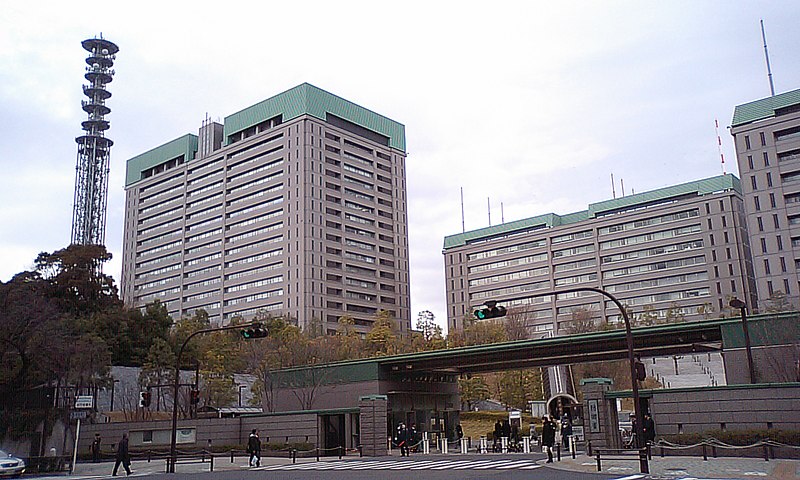
The Japanese defense ministry said it “strongly suspects” three Chinese spy balloons have made an incursion into Japanese airspace. The ministry noted that three incursions were made by Chinese spy balloons since 2019.
Japan’s defense ministry said in a statement on Tuesday that three Chinese spy balloons have entered Japanese airspace at least three times since 2019. The ministry said the balloons were detected in 2019, 2020, and 2021 and that Tokyo reached out to the Chinese government to verify the facts and make sure no such incursion happens again.
On Wednesday, a spokesperson for the Japanese government said that Tokyo told Beijing that violations of its airspace by unmanned surveillance balloons are unacceptable.
“As a result of further investigation of specific balloon-shaped flying objects that were confirmed in Japan’s airspace in the past, it is strongly suspected that they were unmanned surveillance balloons from China,” Chief Cabinet Secretary Hirokazu Matsuno told reporters.
The Kyodo news outlet reported that Japan is considering relaxing its requirements on the use of weapons to defend against incursions in its airspace. There has been heavy scrutiny over the incursions of Japanese airspace since the United States shot down a Chinese surveillance balloon this month, briefing officials from 40 countries.
Also on Tuesday, Japanese defense minister Yasukazu Hamada said Japan intends to bulk order Tomahawk cruise missiles from the US as part of its major military buildup. During a news briefing, Hamada said Japan plans to conclude a contract in the next fiscal year that starts on April 1, to buy Tomahawks, produced by Raytheon Technologies Corp., through the US government’s foreign military sales program.
Japan’s latest defense budget includes $1.6 billion to purchase cruise missiles. Tokyo has not disclosed how many it plans to buy, but local media has reported that it wants as much as 500. Japan wants the cruise missiles to provide its military with the capability to strike targets far from Japan to deter potential adversaries like China from attacking.
The ship-launched version of the missiles which can fly up to 1,000 kilometers, will have enough range to strike targets inside China.













