


 Trump Announces 5,000 Additional U.S. Troops to Poland Following Nawrocki Election Victory
  Trump Says Iran Peace Deal Talks Ongoing as U.S. Blockade Remains in Place
  Tsikhanouskaya Warns of Belarus Escalation During Kyiv Visit Amid Russia-Ukraine War
  New York Moves to Ban Masked Law Enforcement During Immigration Operations
  CDC Monitors 41 Americans After Andes Hantavirus Outbreak on Luxury Cruise Ship
  Canada Condemns Israel Over Gaza Flotilla Detentions as Diplomatic Tensions Escalate
  EU Antitrust Probe Could Lead to Massive Google Fine Under DMA Rules
  US Sanctions Target Iran Oil Network Supplying China Ahead of Trump-Xi Talks
  Trump Administration to Reduce NATO Military Commitments in Europe
  Judge Delays SEC Settlement With Elon Musk Over Twitter Stock Disclosure Case
  US Approves $108 Million Hawk Missile System Support Package for Ukraine
  Rubio, Jaishankar Discuss Iran Crisis, Trade, and Energy Security During Key U.S.-India Talks
  China Banks Halt New Loans to Sanctioned Refineries Amid U.S.-Iran Oil Crackdown
  Trump Faces Pressure as Fed Chair Kevin Warsh Takes Over
  U.S.-Iran Talks Advance as Trump Signals Tough Stance on Hormuz and Nuclear Deal
  Russia Launches Massive Missile and Drone Assault on Kyiv, Killing Civilians and Damaging Historic Sites


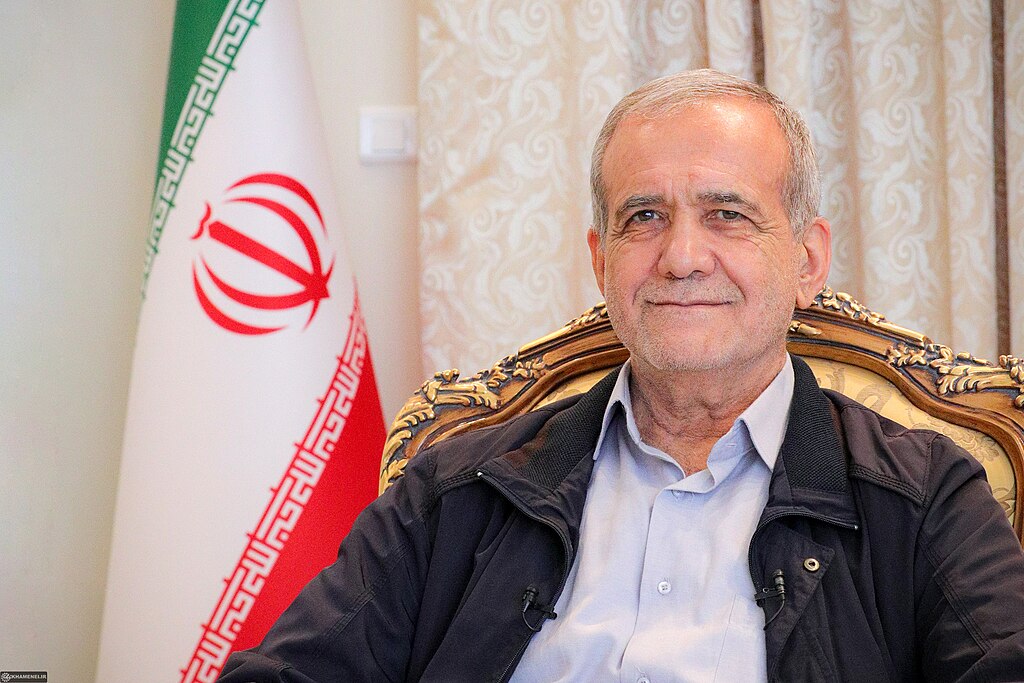
Iranian President Masoud Pezeshkian has officially ordered the restoration of international internet access after nearly 90 days of severe restrictions that isolated millions of citizens from the global web. Iranian state media confirmed the decision on Monday, citing a senior official from the country’s Communications Ministry.
The move comes after one of the longest internet blackouts in Iran’s recent history, which began during nationwide anti-government protests on January 8. Although internet services briefly improved in February, authorities imposed another shutdown following U.S. and Israeli military strikes against Iran on February 28. Since then, most residents have struggled to access global websites, social media platforms, and online communication tools.
According to internet monitoring organization NetBlocks, the majority of Iranians remained disconnected from the worldwide internet for 87 consecutive days. Only a limited number of users with advanced and costly VPN services were reportedly able to bypass government restrictions and maintain partial access to international websites.
While the Iranian government has now approved reopening internet connectivity, officials have not yet explained how or when full access will be restored nationwide. The uncertainty has raised concerns among citizens and digital rights groups, especially as Iran continues to maintain strict online censorship policies.
Even during normal periods, internet freedom in Iran remains heavily controlled. Many foreign websites and social media platforms are blocked, and authorities increasingly depend on a domestic intranet system to deliver essential services. Schools and educational institutions, for example, currently rely on government-controlled online learning platforms instead of unrestricted internet access.
The decision to reconnect Iran to the global internet could significantly impact communication, business operations, education, and public access to information. However, experts believe the country’s broader internet censorship policies are unlikely to disappear entirely despite the latest reopening order.







