


 New Zealand Moves to Ban Social Media for Children Under 16
  France Inflation Accelerates to 2.7% in August
  Gold Prices Tumble 3% After Hawkish Fed Speech Boosts Dollar
  Pinterest Stock Falls as CFO Julia Brau Donnelly Resigns
  Hong Kong Home Prices Fall 0.5% in July, Ending Long Winning Streak
  Trian Drops Wendy’s Take-Private Bid Plans, Shares Plunge 14%
  Toyota Global Sales Fall as China Demand Slumps
  Dollar Steady Ahead of Jackson Hole as Yen Holds Firm
  Street Poller Media and The Boom of the Street Interview Ad Industry
  Nvidia Pauses AI Cloud Financing Deals Amid Antitrust Concerns
  Jefferies Names AMEC Top China Semiconductor Equipment Pick
  SoftBank Eyes $20 Billion Bond Sale to Refinance OpenAI Loan
  BofA Names ASML Top Semiconductor Equipment Pick on Growth, Valuation
  Tokyo Inflation Rises in August as BOJ Rate Hike Bets Grow
  Nvidia Reportedly Eyes $13 Billion Hugging Face Acquisition
  Google Expands Gemini Enterprise With AI Tools for Legal Sector


 Add as a preferred source on Google
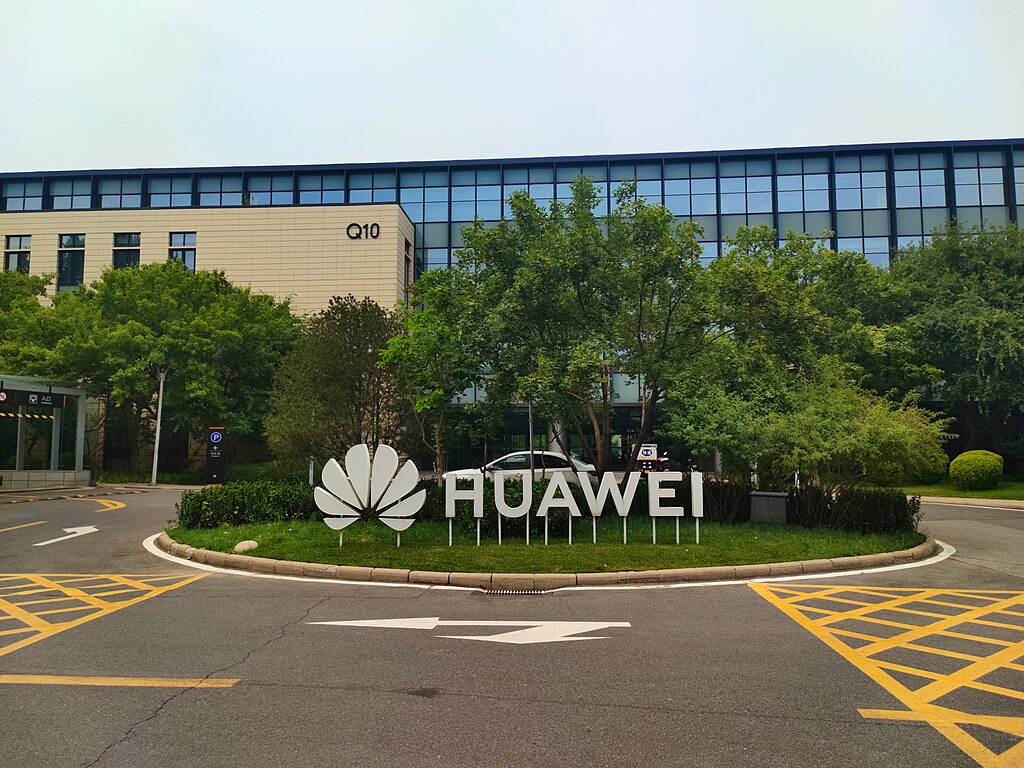
Chinese semiconductor stocks surged Monday after Huawei announced a major breakthrough in advanced chip technology, fueling optimism about China’s push for semiconductor self-sufficiency amid ongoing U.S. export restrictions.
Huawei revealed that its next-generation high-end chips could achieve transistor density comparable to 1.4-nanometer processes within the next five years. The company introduced a new “Tau Scaling Law,” a strategy focused on improving chip performance through overall system efficiency instead of relying only on shrinking transistor sizes.
The tech giant also unveiled its new “LogicFolding” chip architecture, which is expected to appear in future Kirin processors later this year. According to Huawei, the design dramatically reduces internal chip wiring distances, improving performance, power efficiency, and processing speed.
The announcement triggered a strong rally across China’s semiconductor sector. Shares of Semiconductor Manufacturing International Corp. (SMIC) jumped more than 17% in Shanghai trading. Cambricon Technologies climbed nearly 10%, while Piotech Inc gained over 18%.
Other notable gainers included Hwatsing Technology, which rose 8%, Shenzhen Fastprint Circuit Tech, up 6%, and Qingdao Yunlu Advanced Materials Technology, which advanced 9%.
Investor confidence in China’s chip industry has strengthened significantly in recent months as domestic companies accelerate efforts to reduce dependence on U.S. technology firms, especially NVIDIA. Tightened U.S. sanctions and export controls on advanced AI chips have encouraged Chinese developers to seek local alternatives.
Huawei’s Ascend AI processors are increasingly becoming a preferred option for Chinese artificial intelligence companies, including AI startup DeepSeek. Analysts believe Huawei’s latest chip innovations could further strengthen China’s semiconductor ecosystem and reduce reliance on foreign technology suppliers.
The latest developments also highlight China’s growing focus on advanced semiconductor manufacturing, AI chip development, and domestic innovation as the global tech rivalry between China and the United States intensifies in 2026.







