


 Maria Corina Machado Vows Return to Venezuela After Earthquakes Despite Obstacles
  Oil Prices Rise as US-Iran Tensions Threaten Strait of Hormuz Oil Shipments
  Global Financial Firms Shift Asia Expansion Focus to South Korea as China, India Face Caution
  Supreme Court Backs Lisa Cook, Defends Federal Reserve Independence Against Trump Firing Attempt
  Trump Threatens 100% Tariffs on Countries Imposing Digital Services Taxes on U.S. Tech Firms
  US, Iran Agree to Halt Attacks Ahead of Doha Talks on Strait of Hormuz
  Russian Attacks Kill Four in Ukraine as Zaporizhzhia and Kharkiv Come Under Fire
  China Sets 1.25% Overnight Reverse Repo Rate Below Market Expectations
  Taiwan Coast Guard Officer Finds Strength in Faith as China Increases Pressure in Taiwan Strait
  RBA Minutes Signal Australia Central Bank Remains Ready to Raise Interest Rates if Inflation Persists
  Asian Currencies Stay Range-Bound as Investors Eye China Data, RBNZ Outlook and U.S.-Iran Ceasefire
  Russian Attacks on Dnipro, Zaporizhzhia, and Kharkiv Kill 10 as Ukraine Vows Response
  China Factory PMI Seen Returning to Growth in June as AI Export Demand Supports Economy
  Andy Burnham Sets Out Vision to Decentralize Britain as Labour Leadership Race Begins
  Oil Prices Slip as U.S.-Iran Peace Talks and Strait of Hormuz Risks Keep Markets on Edge
  Gold Price Falls as Fed Rate Hike Fears and U.S.-Iran Tensions Weigh on Bullion
  US Stock Futures Steady as Investors Await Payrolls Data and Monitor Iran Tensions


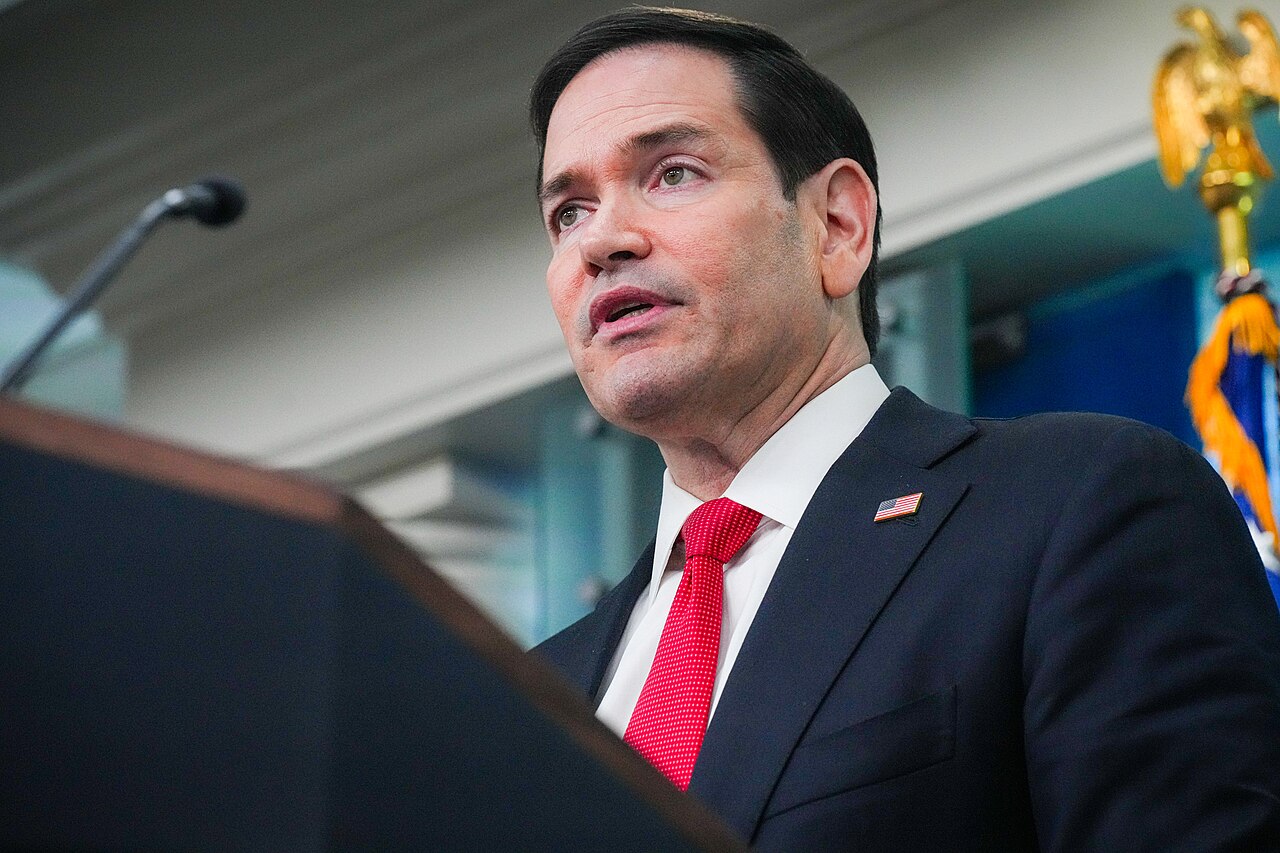
U.S. Secretary of State Marco Rubio said Monday that Washington would either secure a “good agreement” with Iran or address the situation through “another way,” as negotiations between the two countries continue amid ongoing Middle East tensions. Speaking in New Delhi, Rubio stressed that the United States remains committed to diplomacy but warned that alternative measures remain possible if talks fail.
President Donald Trump recently stated that his administration would not rush into a final agreement with Tehran. He also confirmed that the U.S. naval blockade on Iranian ships in the Strait of Hormuz would stay in place until a formal deal is finalized, certified, and signed. The Strait of Hormuz is one of the world’s most critical oil shipping routes, previously carrying nearly 20% of global oil and liquefied natural gas exports before the conflict escalated.
Reports suggest the United States and Iran have made progress toward a potential peace framework. According to senior U.S. officials, Iran has agreed “in principle” to reopen the Strait of Hormuz and discuss the disposal of its highly enriched uranium stockpile in exchange for easing U.S. restrictions. However, major sticking points remain, including sanctions relief, frozen Iranian funds, and Tehran’s nuclear program.
Iran has not officially confirmed the reported framework. Iranian-linked media outlets claimed that Washington continues to resist key Iranian demands, particularly regarding access to billions of dollars in frozen oil revenues.
Oil markets reacted positively to the developments, with Brent crude prices dropping nearly 6% to two-week lows as investors anticipated a possible easing of geopolitical tensions. Analysts say a successful U.S.-Iran agreement could stabilize global energy markets, although concerns over nuclear negotiations and regional conflicts involving Israel and Hezbollah continue to weigh heavily on international diplomacy in 2026.







