


 Meta Agrees to $18 Billion Settlement, Tightens Teen Social Media Rules
  Salesforce Shares Surge as AI Demand Powers Q2 Earnings Beat
  Pinterest Stock Falls as CFO Julia Brau Donnelly Resigns
  Nvidia Reportedly Eyes $13 Billion Hugging Face Acquisition
  Xiaomi Unveils Xring O3 Chip for Flagship Foldable Phone
  Nvidia Eyes Perplexity Investment at $30 Billion Valuation
  U.S. Probes Apex Logistics Over Nvidia AI Chip Shipments to China
  Google Changes EU Spam Policy Amid Antitrust Scrutiny
  Luxshare Shares Rise as First-Half Profit Jumps 18%
  SpaceX Mobile Network Could Cost Up to $130 Billion, Bernstein Says
  Faraday Future Delivers First Robots in Middle East, Plans September Launches
  OpenAI Data Center Chief Chris Malone Exits Ahead of Planned 2027 Listing
  HP Stock Drops 9% Despite Q3 Earnings Beat and Raised 2026 Outlook
  New Zealand Labour Backs Social Media Ban for Under-16s
  Trump Buys SpaceX Shares After Record IPO


 Add as a preferred source on Google
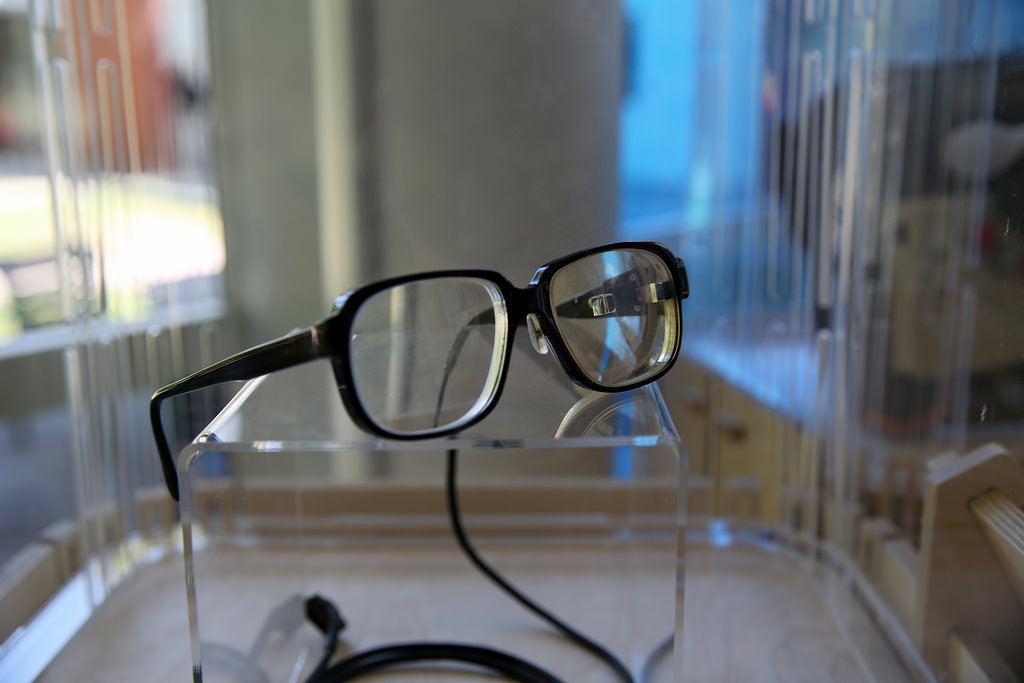
Smart glasses are usually easy to spot because they come with obvious signs of tech additions such as a camera. Intel’s new smart glasses called Vaunt have none of the obvious features associated with the wearables, however, and it looks downright normal. What really makes this particular item noteworthy is that it uses lasers to project images directly into the users’ eyes.
As The Verge notes, Vaunt is quite different from other smartglasses because it doesn’t have the telltale features. These include the absence of the camera, which can be a source of discomfort for some people, and the lack of any buttons to push.
With this being the case, Intel’s glasses look normal when seen from the outside. Once worn, however, users are treated to a show of lights and images. This makes it more tolerable for those who might feel that other smartglasses can be quite intrusive.
What’s more, Intel’s intent behind the glasses isn’t to force a change in people’s lives. Rather, it’s meant to adapt to the lives of the people wearing them. This is what Intel’s New Devices Group (NDG) head of product, Itai Vonshak told the publication.
“When we look at what types of new devices are out there, [we are] really excited about head-worn [products],” Vonshak said. “Head-worn products are hard because people assign a lot of attributes to putting something on their head. It means something about their personality
“We wanted to make sure somebody puts this on and gets value without any of the negative impact of technology on their head. Everything from the ground up is designed to make the technology disappear.”
The company is set to allow other developers to give their smart glasses a spin later in the year, PC Mag reports. Eventually, Intel hopes to produce multiple designs of the Vaunt to provide customers a lot of options in terms of style.







