


 Iceland 4x4 Rental Guide: When Do You Really Need Four-Wheel Drive?
  US Grants Aurora Five-Year Exemption for Self-Driving Trucks
  Europol Warns Bitcoin Wallets Face Quantum Computing Risk
  Nomura Asset Management Targets Global Investors as Japan Markets Gain Appeal
  Litecoin Marks 15 Years as Grayscale Backs LTC ETF Push
  Bitmine to Stop Ethereum Buying After Reaching 5% ETH Supply
  Levi Strauss Beats Q3 Profit Estimates, Raises 2026 Outlook
  GSR Commits $100M to Hare Onchain Credit Vaults
  Zcash Privacy Demand Rises as AI Exposes Bitcoin Transactions
  Evernorth XRPN Nasdaq Listing Delayed to October 12
  Samsung Q3 Profit Hits Record High on AI Memory Demand
  Amazon Cuts More Jobs as AI Investment Expands
  Micron Shares Rise 4% Despite Taiwan Strike Risk
  Kazakhstan and Tether Explore Tenge Stablecoin and RWA Tokenization
  Intel Reaffirms Role in Elon Musk’s Terafab Chip Project
  DogecoinVM Makes DOGE Transactions 300x Faster
  Tencent Shares Fall as $5 Billion AI Bond Sale Weighed


 Add as a preferred source on Google
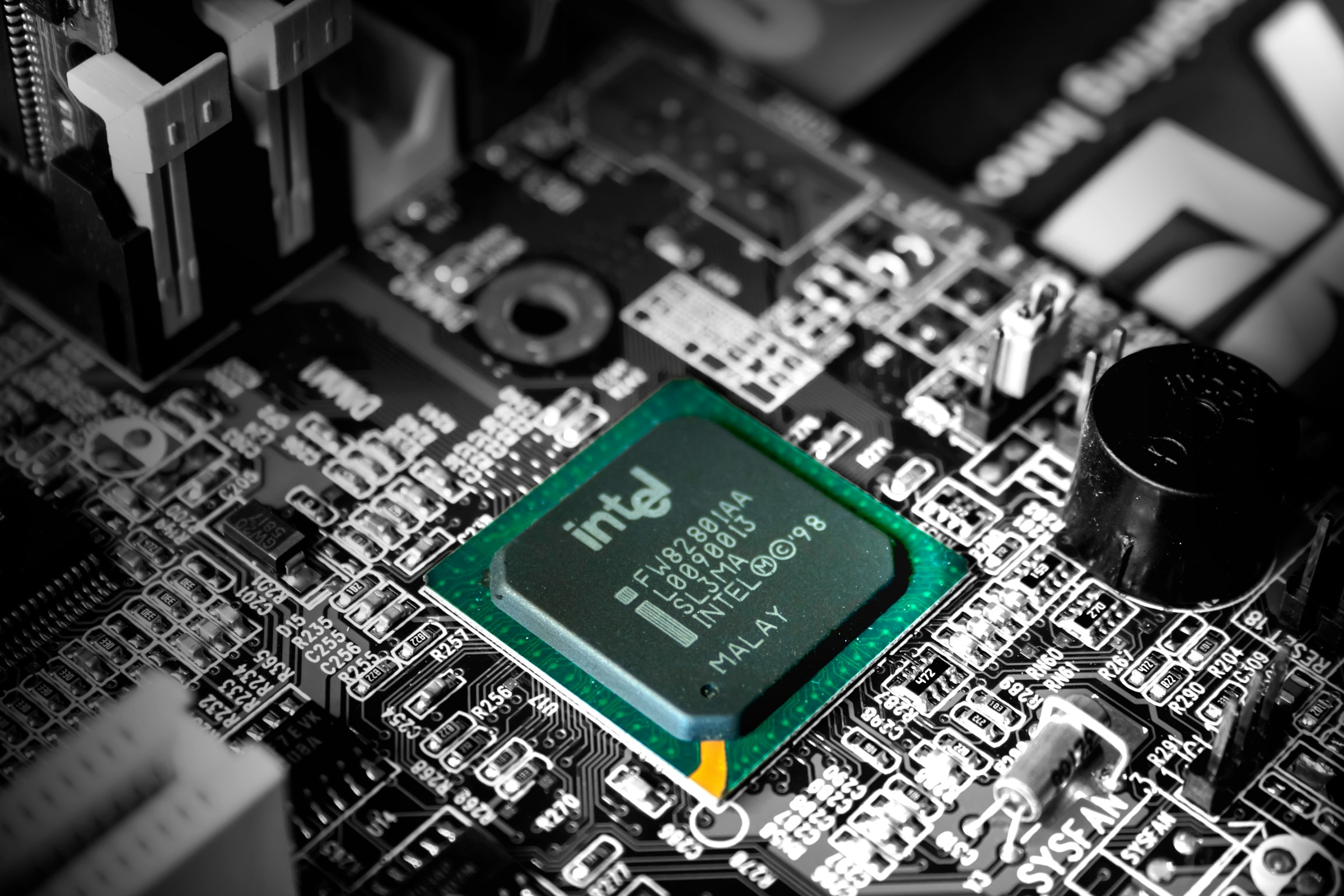
Despite efforts to block the sales, Intel managed to maintain its license to sell chips to Huawei. This decision has stirred controversy among players in the tech industry and policymakers.
U.S. President Joe Biden faced mounting pressure to revoke the license that allows Intel to supply advanced central processors to Huawei. Reuters reported that the push for license revocation came from various parties, including Intel's competitor, Advanced Micro Devices.
Impact on Market Dynamics
The license allowed Huawei to retain a share of the global laptop market, while AMD lost out on significant sales to the Chinese tech giant. This disparity in licensing has raised concerns among industry observers. The situation highlights the challenges faced by companies as the U.S. government seeks to restrict Chinese access to advanced American technology. The case of Intel and AMD sheds light on the complexities of international tech trade.
Political Calls for Action
Republican Senator Marco Rubio urged the Biden administration to revoke Intel's license immediately. The political pressure underscores the sensitive nature of technology exports and national security concerns. The Chinese Embassy in Washington criticized the restrictions on Huawei as economic intimidation and called for a more balanced approach. The ongoing tensions between the U.S. and China continue to affect global tech dynamics.
According to AOL, Huawei's inclusion on the trade restriction list 2019 marked a significant turn in the technology conflict between the U.S. and China. The subsequent licensing decisions have added layers of complexity to the situation.
Industry Adaptation and Future Prospects
The ongoing saga has necessitated rapid adaptation by both U.S. and Chinese tech companies. Firms are increasingly looking towards self-reliance and diversification of their supply chains to mitigate future risks. This shift is expected to spur innovation as companies seek alternative technologies and materials to sustain their operations amidst tightening trade restrictions. The outcome of this trade conflict could redefine the global tech landscape, pushing industries toward more resilient and autonomous technological ecosystems.
Photo: Slejven Djurakovic/Unsplash







