


 Pacific Islands Forum Seeks Unified Condemnation of China Missile Test
  Trump Administration Threatens Smithsonian Support Over Leadership Dispute
  Japan, US Target AI and Chips in $550 Billion Investment Push
  Taiwan Condemns China’s ‘Wolf Warrior’ Diplomacy at Pacific Islands Forum
  Iran’s Hormuz Oil Pressure Fades as Gulf Crude Flows Continue
  South Korea, US Discuss Chip Investments Amid Tariff Plans
  Vietnam Leader To Lam Plans Russia, France, US and Canada Visits
  Iran War Civilian Toll Rises After U.S. Strikes Hit Wedding
  U.S. Issues Cuba Health Alert as Illnesses Rise
  Trump Names Adam Telle Acting U.S. Army Secretary
  Maduro Seeks Dismissal of US Drug Trafficking Charges
  Costa Rica President Backs Potential US Ground Operations
  Lula Runs Cautious Brazil Election Campaign as Bolsonaro Narrows Poll Gap
  Texas Republicans Turn Against AI Data Centers as Election Backlash Grows
  Australia, US Move to Expand Defence Ties in Indo-Pacific
  Lula’s Lead Over Flavio Bolsonaro Narrows Ahead of Brazil Election


 Add as a preferred source on Google
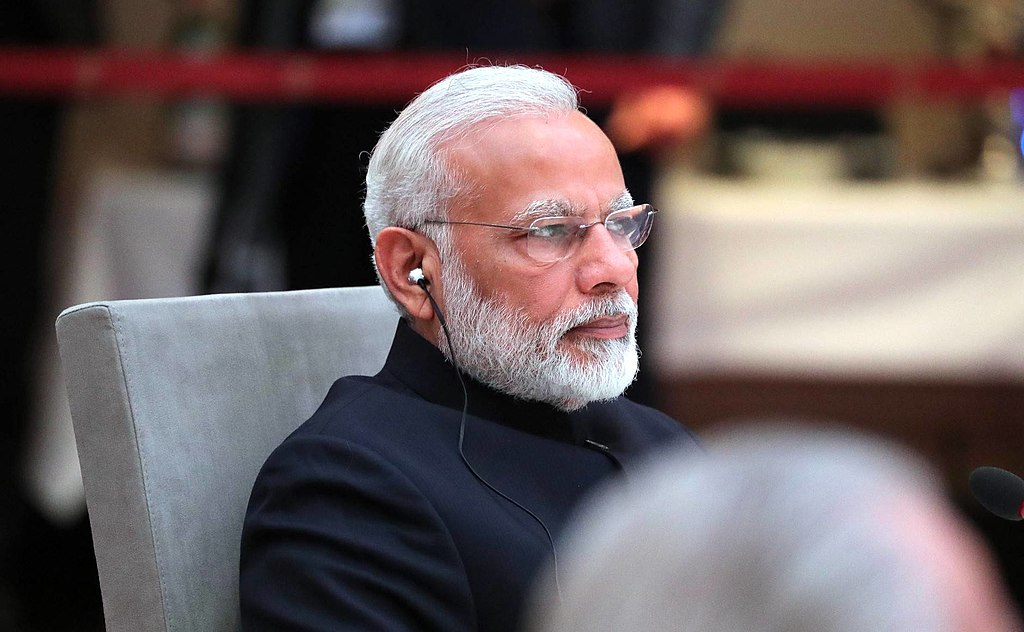
India looks set to return Narendra Modi as prime minister for a third term. But not in the way that he might have wished – or expected.
Modi had hoped to win 400 of the 543 seats available in the Indian parliament. Yet as hundreds of millions of votes were counted, it emerged that his party would need the support of its partners in the National Democratic Alliance to lead a majority government.
This was after a multiparty political group of 36 opposition parties, the Indian National Developmental Inclusive Alliance (forming the acronym INDIA), and formed specifically to take on Modi, had made unexpected gains.
Remaining defiant, Modi said on June 4 2024: “Today is a glorious day,” adding: “This is a victory for the world’s largest democracy.”
The results of the election surprised pollsters and experts around the world. And much is now being made of their impact on Modi’s political power and personal brand.
Yet a third term as prime minister could still be considered a remarkable success. Only one previous Indian prime minister, Jawaharlal Nehru, has achieved the same electoral feat.
Much of the support Modi did receive will have been fuelled by a dramatic economic transformation in India. The nation now aspires to become a developed country – one with a relatively high level of economic growth and security – by 2047, exactly 100 years after independence.
That economic progress is clear to see across the country. There has been significant modernisation of infrastructure and an exponential increase in foreign investment. The country boasts a vibrant start-up ecosystem and targeted welfare schemes that are dramatically reducing poverty.
These changes have already pushed India into becoming the fifth largest economy in the world, up from 11th ten years ago. It could soon rank third, surpassing Japan and Germany.
India is also the fastest growing in the G20 group of the world’s leading economies with a current growth rate estimated at 8.2%. Inflation, too, is much lower than it used to be, and was lower than UK’s inflation rate between 2021 and 2023.
There are still big problems with rising inequality and unemployment. And prominent Indian economists, including the former governor of the Reserve Bank of India, Professor Raghuram Rajan, have raised concerns about the economy and the need for accelerated investments in human capital.
A new deal
But overall, it seems that people have faith in the economic growth story under Modi and have entrusted him with another five years in office, even though these underlying issues might have meant that his party has been denied a crucial majority.
And that faith appears to go beyond the voters. When it emerged that Modi was in fact not on course to secure an overall majority, India’s stock market plunged.
Investors had been hoping for a strong, business-friendly government and stocks reached record highs after weekend exit polls indicated that Modi was on track for a big win.
But India’s economic future could still be bright. To become a developed country by 2047, it has to sustain the growth momentum over the next quarter century, building on the economic gains of the last decade.
It also needs to ensure that inequality and unemployment are effectively tackled, perhaps through greater investments in small rural businesses and developing start-ups to complement the current large-scale investments in industry.
All of this will need a shift back to Modi’s claim to work “sabka saath” (with everyone), “sabka vikas” (for everyone’s progress), “sabka vishwas” (with everyone’s trust) and “sabka prayas” (with everyone’s effort). That effort, trust and progress will now have to be achieved in the form of a coalition government.
And its members will have to show clear determination if the country is to achieve its aim of a “developed India” by 2047.







