


 UBS Boosts China Tech Bets, Adds Kuaishou and Meituan to Focus List
  Nvidia Partners With Fanuc and Yaskawa to Accelerate AI Robotics in Japan
  SpaceX Eyes Pentagon AI Deal as Cloud Pricing Strategy Pressures CoreWeave
  Sam Altman Admits OpenAI Missteps, Promises Major AI Comeback Focused on User Freedom
  GameStop Raises eBay Stake to 9.8% as Ryan Cohen Pushes $56 Billion Takeover Bid
  Netflix Stock Drops After Weak Q3 Outlook Overshadows Mixed Q2 Earnings
  Jamie Dimon Warns Anthropic's Mythos AI Poses National Security Risks
  NTSB Leads Investigation Into Ryanair Boeing 737 Engine Failure Over Greece
  Sodexo Unveils Shift & Grow 2030 Strategy, Targets Over 5% Revenue Growth by Fiscal 2030
  Trump Criticizes ABC, NBC and CNN for Limiting Coverage of Election Speech
  Apple Intelligence China Approval Lifts Alibaba and Baidu Shares
  Airbus Signs Cloud Deal With Scaleway to Power Secure AI and Defense Applications
  BHP Q4 Iron Ore Output Rebounds as Copper Prices Boost Revenue
  xAI Sues Man for Allegedly Using Grok to Generate AI Child Abuse Deepfakes
  United Airlines Beats Q2 Earnings, Raises 2026 Profit Outlook Despite Higher Fuel Costs
  PayPal Rejects $53 Billion Stripe-Advent Takeover Offer as Too Low: Report
  NY Times Challenges Trump Administration Subpoenas Over Air Force One Report


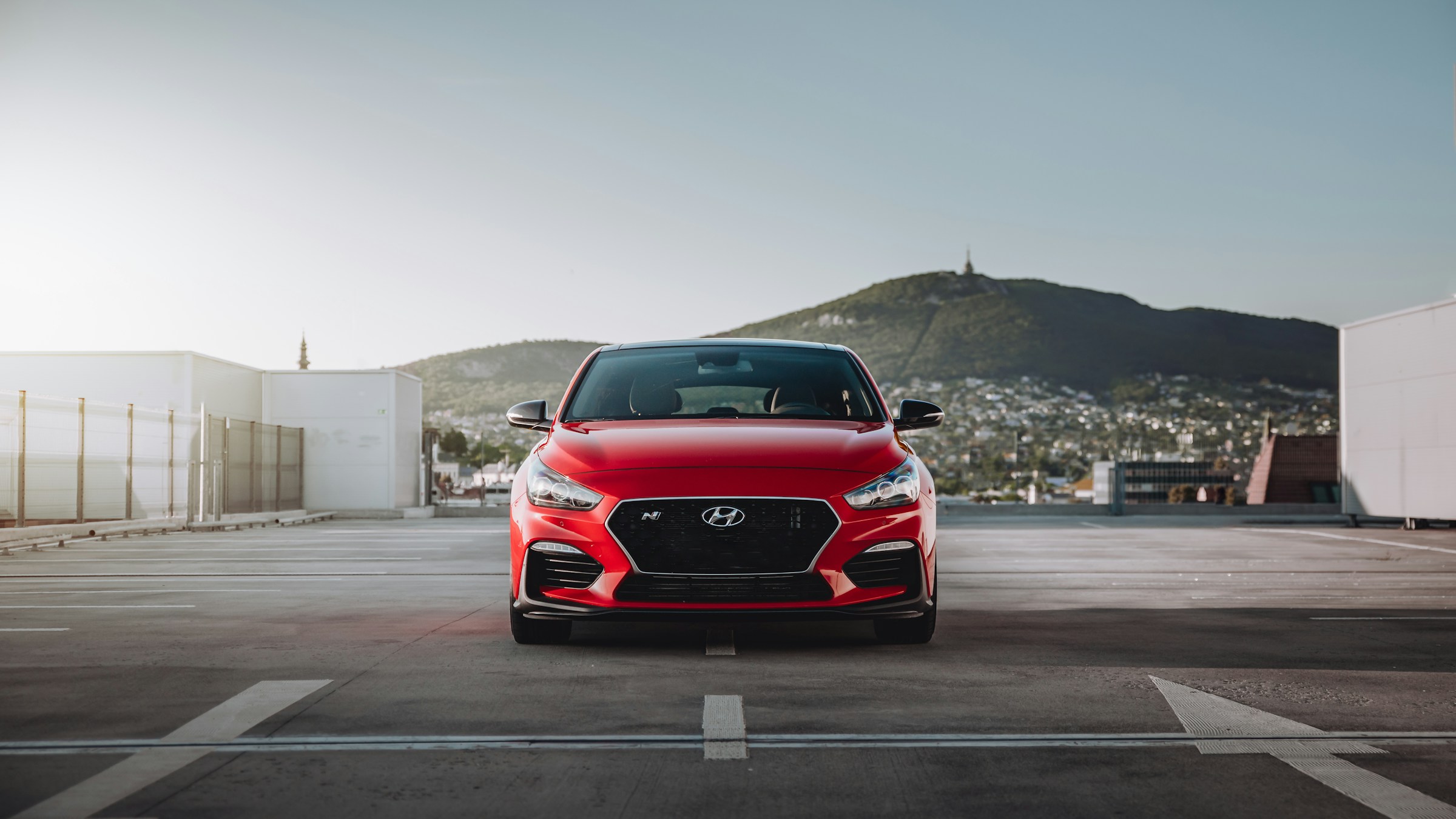
Hyundai Motor plans to invest $1.1 billion in Brazil by 2023, focusing on eco-friendly mobility advancements and technological developments. The automaker aims to align with Brazil's carbon neutrality policy, developing vehicles tailored for the local market and establishing a dedicated hydrogen business division.
Strengthening Collaboration for Sustainable Mobility
According to Korea Times, Executive Chair Chung Euisun met with Brazilian President Luiz Inacio Lula da Silva to enhance collaboration opportunities. The automaker's commitment to the region is driven by Brazil's demographic growth potential, with sales exceeding 187,800 vehicles in 2022 alone, capturing nearly 10% of the automotive market.
Emphasizing the importance of innovation, Hyundai Motor will be allocating a significant portion of the $1.1 billion investment to expand its Research and Development (R&D) facilities in Brazil. This strategic move aims to bolster the local automotive industry's capability to design and innovate, ensuring that the next generation of eco-friendly vehicles is not only environmentally sustainable but also resonates with the preferences and needs of Brazilian consumers.
Hyundai's investment, the Korea Herald noted, is expected to generate substantial employment opportunities and skill development in the region, further contributing to Brazil's economic growth and technological prowess in the green mobility sector.
Fostering a Skilled Workforce
In concert with their R&D expansion, Hyundai Motor is set to launch comprehensive training programs in Brazil focused on advancing the skills of local engineers and technicians in eco-friendly automotive technologies. These programs are tailored to equip participants with the knowledge and tools necessary to excel in a rapidly evolving industry, thereby shaping a workforce that can adeptly respond to future mobility challenges.
Hyundai's initiative underscores its investment in technology and the people that will drive Brazil's sustainable transformation.
Building Local Supply Chains
Hyundai Motor is also channeling efforts into establishing robust local supply chains to solidify its commitment to sustainability and economic support in Brazil. By sourcing materials and parts through domestic providers, Hyundai reduces its carbon footprint through shortened logistics and stimulates local businesses and job creation.
This locally-focused approach aligns with global trends towards more responsible manufacturing. It ensures greater resilience and agility in production, capacitating Hyundai to adapt swiftly to market shifts and consumer demands.
Photo: Martin Katler/Unsplash







