


 Pentagon Ends Military Education Programs With Harvard University
  Trump Congratulates Japan’s First Female Prime Minister Sanae Takaichi After Historic Election Victory
  Bangladesh Election 2026: A Turning Point After Years of Political Suppression
  US Pushes Ukraine-Russia Peace Talks Before Summer Amid Escalating Attacks
  Antonio José Seguro Poised for Landslide Win in Portugal Presidential Runoff
  New York Legalizes Medical Aid in Dying for Terminally Ill Patients
  China Warns US Arms Sales to Taiwan Could Disrupt Trump’s Planned Visit
  Japan’s Prime Minister Sanae Takaichi Secures Historic Election Win, Shaking Markets and Regional Politics
  Bosnian Serb Presidential Rerun Confirms Victory for Dodik Ally Amid Allegations of Irregularities
  U.S.-India Trade Framework Signals Major Shift in Tariffs, Energy, and Supply Chains
  Trump Allows Commercial Fishing in Protected New England Waters
  Trump Slams Super Bowl Halftime Show Featuring Bad Bunny
  U.S. Lawmakers to Review Unredacted Jeffrey Epstein DOJ Files Starting Monday
  Netanyahu to Meet Trump in Washington as Iran Nuclear Talks Intensify
  Anutin’s Bhumjaithai Party Wins Thai Election, Signals Shift Toward Political Stability
  Jack Lang Resigns as Head of Arab World Institute Amid Epstein Controversy
  Israel Approves West Bank Measures Expanding Settler Land Access


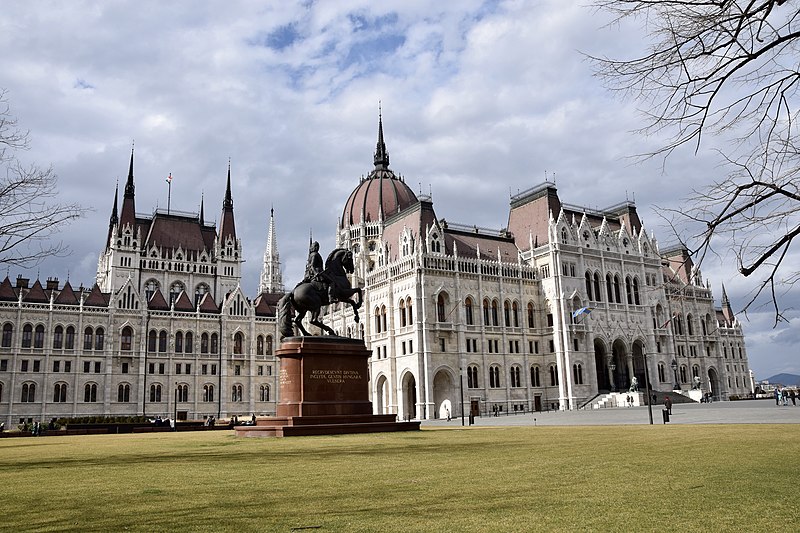
The Hungarian government was delaying parliament’s ratification of Sweden’s NATO bid due to its grievances with Sweden. The government cites Stockholm’s criticism of Hungarian Prime Minister Viktor Orban’s policies.
The spokesperson for the Hungarian government, Zoltan Kovacs, said on Wednesday that parliament was delaying the ratification of Sweden’s bid to join the NATO alliance out of Budapest’s grievances. The grievances were surrounding Stockholm’s criticism of Orban’s policies. Kovacs said both sides need to put in the effort to overcome the gap.
“In the case of Sweden, there is an ample amount of grievances that need to be addressed before the country’s admission is ratified,” said Kovacs, adding that Swedish representatives “have been repeatedly keen to bash Hungary through diplomatic means, using their political influence to harm Hungarian interests.”
Kovacs was referring to Stockholm’s criticism over the decline of the rule of law by Orban’s government in the past 13 years. Orban has denied the allegations. Kovacs also said Sweden has taken a “hostile” attitude to Hungary for years and also cited Turkey’s objections to Sweden’s accession in the alliance.
Sweden and Finland both applied to join the NATO alliance last year as a result of Russia’s invasion of Ukraine. However, their applications ran into objections from Turkey, the main holdout and one of the two countries aside from Hungary that have yet to ratify the two Nordic countries’ applications.
The Hungarian parliament on Monday approved the bill for Finland to join NATO. The approval by Budapest follows the go-signal by Turkish President Tayyip Erdogan last week to begin ratification of Finland’s NATO bid.
On Sunday, NATO criticized the nuclear rhetoric by Russian leader Vladimir Putin, who announced that he would order the deployment of tactical nuclear weapons in Belarus. Putin compared the move to the United States stationing some of its weapons in Europe and insisted that the move would not breach Russia’s nuclear non-proliferation promises.
“Russia’s reference to NATO’s nuclear sharing is totally misleading. NATO allies act with full respect of their international commitments,” said NATO spokesperson Olga Lungescu in an emailed statement to Reuters. “Russia has consistently broken its arms control commitments.”













