


 Trump-Xi Beijing Summit to Focus on Trade, Taiwan, and Boeing Deal
  U.S.-China Beef Trade Deal Hopes Rise Ahead of Trump-Xi Summit
  Israel’s Secret Iraq Base Allegedly Supported Iran Air Campaign, WSJ Reports
  Pope Leo Calls for Peace as Vatican Seeks Better Ties With U.S.
  Russia Downs Over 50 Drones Near Moscow Ahead of Victory Day Ceasefire
  US Revises UN Resolution on Iran Strait of Hormuz Attacks Amid Russia-China Opposition
  US Launches Retaliatory Strikes on Iran Amid Rising Strait of Hormuz Tensions
  Vietnam Plans AI-Driven Propaganda Push With Influencers and Podcasts
  Australia’s Wealthy Donors Shift Support to One Nation Amid Conservative Party Decline
  Rubio Presses Italy Over Iran Support as Tensions Test U.S.-Italy Alliance
  Lula and Trump Talks Signal New Phase in Brazil-US Relations
  US-Iran Ceasefire Under Pressure as Fresh Strait of Hormuz Clashes Shake Oil Markets
  UN Experts Condemn Trump’s Cuba Fuel Blockade Amid Deepening Energy Crisis
  Trump Invites Top CEOs Including Nvidia, Apple, Boeing to China Summit With Xi Jinping
  Trump Says U.S. Navy Destroyers Passed Strait of Hormuz Under Iranian Fire
  TikTok Nears $400 Million Settlement With Trump Administration Over Child Privacy Lawsuit
  Mexico President Claudia Sheinbaum Reconsiders Early School Closure Plan Ahead of 2026 World Cup


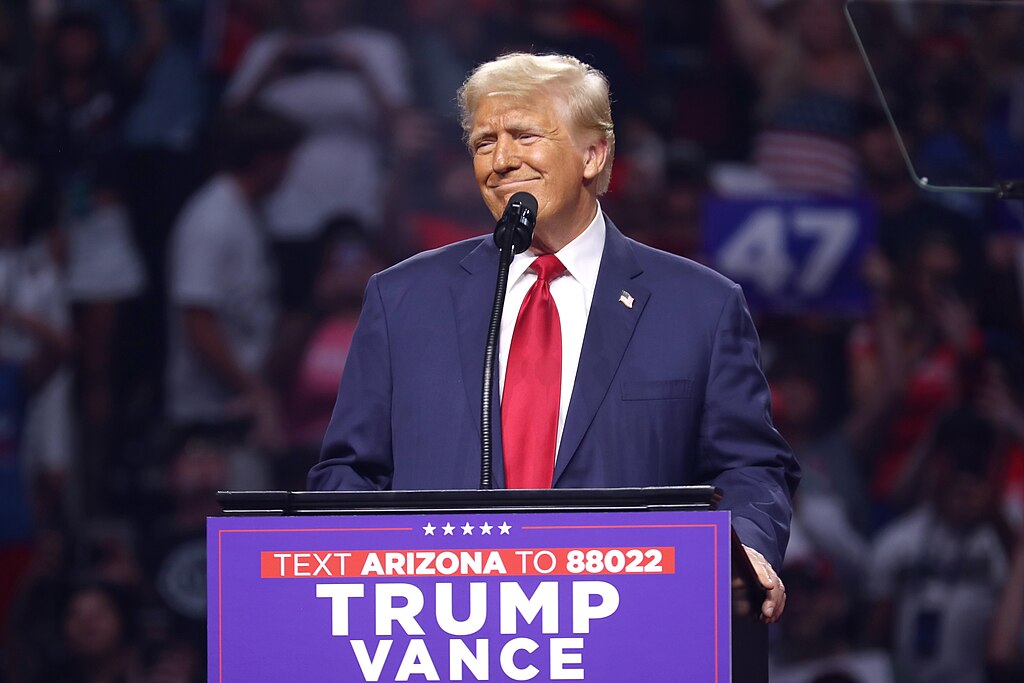
In 2025, former President Donald Trump has outlined ambitious plans to reform the U.S. education system, with a strong focus on promoting STEM (Science, Technology, Engineering, and Math) education. His administration’s proposal seeks to align educational priorities with a vision for a stronger, more competitive workforce, prepared for the rapidly evolving technological landscape.
A cornerstone of Trump’s approach is the enhancement of school choice, including the expansion of charter schools and private school options. By providing parents with more control over where their children attend school, Trump aims to encourage competition, ultimately raising the standards for STEM programs. Proponents argue that this will foster innovation and create more opportunities for students to engage with STEM subjects in dynamic, specialized settings.
Additionally, Trump’s administration has suggested redirecting funds from traditional public school systems into more flexible educational structures, including STEM-focused programs. This could allow schools to better tailor their curricula to modern workforce demands, preparing students for careers in fields like artificial intelligence, renewable energy, and cybersecurity, which are central to the nation’s technological future.
Another significant part of Trump’s strategy includes integrating technology into classrooms, ensuring that students are equipped with the digital tools necessary to excel in a tech-driven world. However, critics have raised concerns about the potential consequences of these changes, fearing that the narrowing focus on STEM might limit access to broader educational experiences, and that vulnerable communities could lose out on opportunities without additional support.
In his second term, Trump’s education reforms are likely to spark heated debates, especially regarding the dismantling of the Department of Education, which he proposes as part of a broader decentralization of federal control over schooling. This proposal could lead to increased funding for STEM programs in some states while leaving others at a disadvantage.
Despite these challenges, Trump’s initiative to promote STEM education reflects his broader goal of reshaping the future of American education to meet the demands of the 21st century economy. How this vision will play out depends largely on state and local implementation, as well as ongoing political support.







