


 Ukraine-Russia Ceasefire Confirmed as Prisoner Swap Deal Advances
  Trump Inspects Lincoln Memorial Reflecting Pool Renovation in Washington
  Trump-Xi Beijing Summit to Focus on Trade, Taiwan, and Boeing Deal
  Israel’s Secret Iraq Base Allegedly Supported Iran Air Campaign, WSJ Reports
  US Revises UN Resolution on Iran Strait of Hormuz Attacks Amid Russia-China Opposition
  Mexico President Claudia Sheinbaum Reconsiders Early School Closure Plan Ahead of 2026 World Cup
  Judge Delays SEC Settlement With Elon Musk Over Twitter Stock Disclosure Case
  US-Iran Ceasefire Under Pressure as Fresh Strait of Hormuz Clashes Shake Oil Markets
  Trump Invites Top CEOs Including Nvidia, Apple, Boeing to China Summit With Xi Jinping
  Lula and Trump Talks Signal New Phase in Brazil-US Relations
  Iran Accuses U.S. of Violating Strait of Hormuz Ceasefire with Ship and Coastal Attacks
  Pope Leo Calls for Peace as Vatican Seeks Better Ties With U.S.
  TikTok Nears $400 Million Settlement With Trump Administration Over Child Privacy Lawsuit
  U.S.-China Beef Trade Deal Hopes Rise Ahead of Trump-Xi Summit
  Senate Stablecoin Bill Sparks Clash Between Banks and Crypto Industry
  U.S., South Korea Launch Shipbuilding Partnership Initiative
  Vietnam Plans AI-Driven Propaganda Push With Influencers and Podcasts


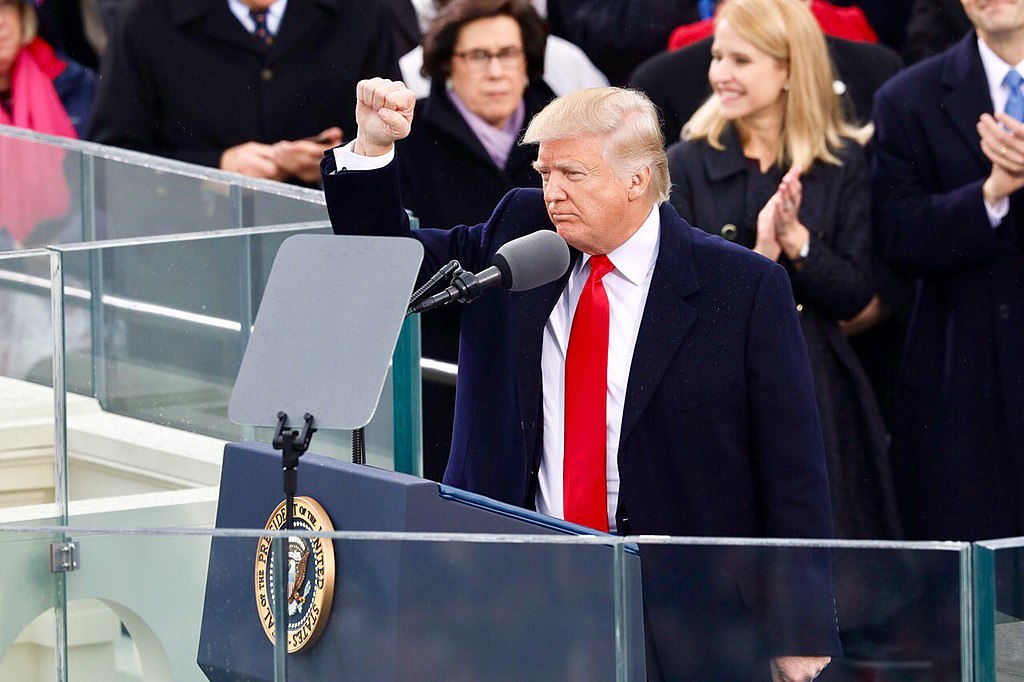
A recent CNN panel discussion ignited controversy when Democratic strategist Julie Roginsky suggested that former President Donald Trump might deploy the military to use lethal force against American citizens opposing his immigration policies. This assertion has intensified debates over the potential domestic use of military power.
Allegations of Military Force Against Civilians
During a segment on CNN's "NewsNight," Roginsky addressed Trump's proposal to utilize "military assets" for enforcing deportations. She posited that such measures could lead to the military confronting Americans attempting to prevent the removal of migrants, potentially resulting in the use of deadly force. Her comments left fellow panelists visibly taken aback, with some expressing skepticism about the likelihood of such extreme actions.
Trump's Stance on Military Deployment
Trump has previously indicated a willingness to deploy the military domestically under certain circumstances. In an October 2024 interview with Fox News, he mentioned the possibility of using military force against what he termed "the enemy from within," referring to "radical left lunatics."
These statements have raised concerns about the potential for military involvement in civilian affairs.
Public Reaction
Roginsky's remarks have sparked a wide array of reactions on social media:
-
@LibertyLover: "Deploying the military against civilians? This is a dangerous path!"
-
@PatriotGuard: "If true, this is deeply troubling. We must uphold democratic principles."
-
@CivicSentinel: "Such claims need thorough investigation. The implications are serious."
-
@JusticeWarrior: "Using military force against citizens is a hallmark of authoritarian regimes."
-
@PolicyWatcher: "This discussion underscores the need for clear boundaries between military and civilian roles."
-
@DemocracyDefender: "Allegations like these erode trust in our institutions. Transparency is crucial."
Expert Perspectives
Former Secretary of Defense Mark Esper has expressed concerns about Trump's inclination to use the military in domestic situations. He noted that during Trump's presidency, there was a tendency to consider military solutions for civil unrest, which he viewed as inappropriate roles for the armed forces.
Implications for Civil-Military Relations
The discussion highlights the delicate balance required in civil-military relations. The Posse Comitatus Act generally prohibits the use of federal military personnel in domestic law enforcement, underscoring the importance of maintaining a clear separation between military and civilian spheres to preserve democratic norms.







