


 Wall Street Futures Slip After Record Rally Fueled by Iran Peace Hopes and AMD Surge
  Australia’s Wealthy Donors Shift Support to One Nation Amid Conservative Party Decline
  US Launches Retaliatory Strikes on Iran Amid Rising Strait of Hormuz Tensions
  Asian Stocks Slide as Iran Tensions Escalate Despite Strong Weekly Gains
  Ukraine-Russia Ceasefire Confirmed as Prisoner Swap Deal Advances
  U.S.-China Beef Trade Deal Hopes Rise Ahead of Trump-Xi Summit
  Rubio Presses Italy Over Iran Support as Tensions Test U.S.-Italy Alliance
  Russian LNG Shadow Fleet Expands Amid Arctic LNG 2 Sanctions
  S&P 500, Nasdaq Hit Record Highs as AI Stocks Rally and Strong Jobs Data Boost Confidence
  Japan Tech Stocks Surge as AI Optimism Lifts SoftBank, Chipmakers
  China-Made Fireworks Power U.S. Independence Day Celebrations Amid Trade Truce
  Dollar Slips as Strong U.S. Jobs Data Reduces Fed Rate Cut Expectations
  Lula and Trump Talks Signal New Phase in Brazil-US Relations
  Judge Delays SEC Settlement With Elon Musk Over Twitter Stock Disclosure Case
  Trump Signals Possible U.S.-Iran Peace Deal as Markets Rally on Hopes of War Ending
  TikTok Nears $400 Million Settlement With Trump Administration Over Child Privacy Lawsuit


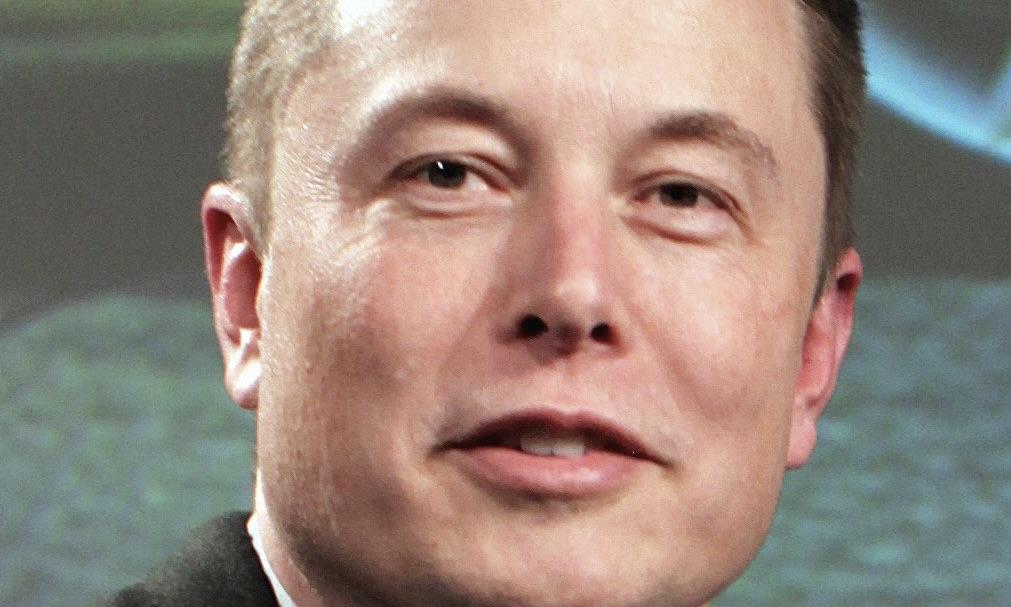
Elon Musk, in collaboration with former presidential candidate Vivek Ramaswamy, is spearheading an ambitious plan to cut $2 trillion from the federal budget. The proposal, hailed as the most dramatic since post-World War II, has ignited controversy due to its potential impact on entitlement programs, including Social Security and Medicare.
Musk is set to meet with congressional lawmakers this week, hosting discussions to rally support for the initiative. The effort is unofficially dubbed the "Department of Government Efficiency" (DOGE), a nod to the billionaire’s frequent endorsement of the cryptocurrency Dogecoin. While DOGE has no official standing, the effort underscores Musk’s growing political influence.
The plan has received backing from a newly established House subcommittee led by GOP Representative Marjorie Taylor Greene. Greene has expressed optimism, framing the initiative as a critical step toward fiscal responsibility. Despite these assurances, the proposal’s critics point to its likely necessity to target programs relied upon by millions of Americans.
Reducing federal expenditures to this extent would require cuts that surpass the combined annual spending on government operations, including defense. Such cuts are expected to face resistance, given the historical difficulties of reducing entitlements like Medicare, Medicaid, and veterans’ benefits. These programs, while expensive, are politically popular and heavily utilized.
Musk’s close ties to President-elect Donald Trump have amplified his sway in Washington. His involvement in policy discussions, foreign leader interactions, and cabinet selection processes signals an expanding role in shaping U.S. governance. This influence, however, is raising eyebrows among both allies and opponents, as Musk’s unconventional approach often blurs the lines between innovation and disruption.
Previous attempts to drastically reduce federal budgets have faced significant obstacles. Congress members often prioritize local interests, making bipartisan consensus on sweeping cuts challenging. While Republican legislators appear aligned with Trump’s campaign promises, achieving this fiscal goal will demand unprecedented political coordination.
The $2 trillion target has sparked concerns over the economic and social ripple effects. Critics warn that reducing entitlement programs could undermine safety nets for vulnerable populations, exacerbating inequality and eroding trust in government institutions.
Musk and Ramaswamy’s proposal is slated to test the limits of fiscal ambition in a polarized political landscape. Whether this initiative will translate into actionable policy remains uncertain, but it has already triggered debates about the balance between innovation, fiscal responsibility, and social welfare.







