


 Serbia Protests Continue as Thousands Rally Despite Vucic’s Resignation Plan
  Russian Attacks Kill Four in Ukraine as Zaporizhzhia and Kharkiv Come Under Fire
  Maria Corina Machado’s Return to Venezuela Faces U.S. Hesitation After Deadly Earthquakes
  Canada Grants C$7 Million to Greenland Molybdenum Mine to Strengthen Critical Minerals Supply
  China Expands Export Controls, Adds 20 Japanese Companies to Restricted List
  Australia, Vanuatu Sign Security Pact Amid Pacific Influence Competition
  Taiwan Coast Guard Officer Finds Strength in Faith as China Increases Pressure in Taiwan Strait
  Trump Suspends Some Morocco Fertilizer Tariffs to Ease U.S. Supply Shortage
  US Strikes Iran Again After Strait of Hormuz Tanker Attack Escalates Ceasefire Tensions
  Russian Attacks on Dnipro, Zaporizhzhia, and Kharkiv Kill 10 as Ukraine Vows Response
  Israeli Airstrike Kills Three in Central Gaza Despite Ceasefire
  Australia Plans Higher Fines for Social Media Firms Failing to Block Underage Users
  Supreme Court Backs Lisa Cook, Defends Federal Reserve Independence Against Trump Firing Attempt
  Russia Intensifies Assault on Kostiantynivka as Ukraine’s Donetsk Defense Faces Mounting Pressure
  Ukraine Strikes Russian Titan-Barrikady Plant With Long-Range FP-5 Flamingo Missile
  US, Iran Agree to Halt Attacks Ahead of Doha Talks on Strait of Hormuz
  Andy Burnham Sets Out Vision to Decentralize Britain as Labour Leadership Race Begins


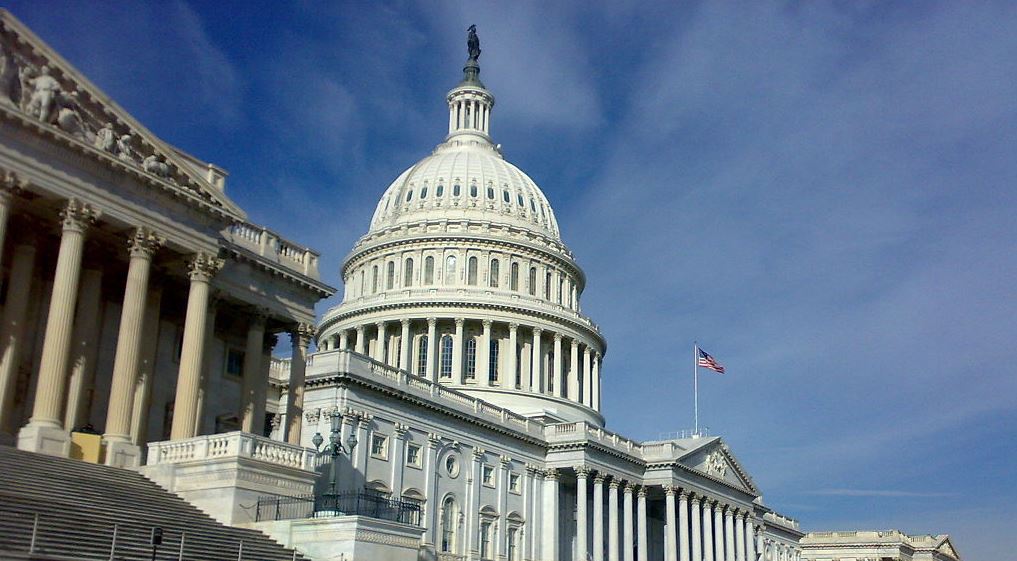
Republican leaders in the U.S. House of Representatives postponed a planned vote Thursday on a war powers resolution aimed at limiting President Donald Trump’s military actions against Iran without Congressional approval. The decision came unexpectedly just days after a similar bipartisan measure advanced in the U.S. Senate, intensifying debate over presidential war powers and military involvement in the Middle East.
The House vote had been scheduled shortly before lawmakers left Washington for the Memorial Day recess. However, Republican leadership delayed consideration of the resolution until early June. The measure seeks to require Congressional authorization for continued U.S. military action against Iran, following recent strikes carried out by the United States and Israel beginning on February 28.
Representative Gregory Meeks, the leading Democrat on the House Foreign Affairs Committee, stated that Republican leaders likely postponed the vote because the resolution appeared poised to pass. Previous attempts to approve similar war powers measures in the House were narrowly blocked, with Republicans largely voting against them. The latest proposal gained momentum due to expected absences and possible Republican defections.
In the Senate, lawmakers voted 50-47 on Tuesday to advance a separate Iran war powers resolution. Four Republican senators joined nearly all Democrats in supporting the procedural step, signaling increasing bipartisan concern over the administration’s military strategy.
Critics of Trump’s actions argue that the U.S. Constitution grants Congress the sole authority to declare war. Both Democrats and several Republicans have urged the president to seek formal approval before expanding military operations against Iran. They warn that continued strikes could pull the United States into a broader regional conflict without a clear long-term strategy.
The White House and most Republican lawmakers continue to defend Trump’s actions, arguing that the president has the legal authority as commander in chief to conduct limited military operations to protect U.S. national security interests and respond to imminent threats. Republicans currently hold slim majorities in both the House and Senate.







