


 Trump Questions Housing Bill as He Prioritizes SAVE America Act
  Javier Milei Cabinet Chief Manuel Adorni Resigns Amid Spending Scandal Investigation
  Asian Stocks Slip as US-Iran Ceasefire Hopes Lift Oil, Dollar Strength Persists
  World Bank Approves $1.1 Billion Emergency Funding for Bangladesh Amid Food and Energy Price Pressures
  Yen Falls to 40-Year Low as Markets Watch Japan Intervention and U.S. Jobs Report
  US, Iran Agree to Halt Attacks Ahead of Doha Talks on Strait of Hormuz
  Ukraine Strikes Russian Titan-Barrikady Plant With Long-Range FP-5 Flamingo Missile
  Iran Launches Drone Attack on Bahrain After U.S. Strikes, Strait of Hormuz Tensions Escalate
  Sheinbaum Says No One Is Above the Law After Abuse Video of Ex-Pemex Chief Emerges
  Gold Price Ends Lower for Fourth Week Despite Rebound as Fed Rate Hike Bets Strengthen
  Oil Prices Slip as U.S.-Iran Peace Talks and Strait of Hormuz Risks Keep Markets on Edge
  Canada Grants C$7 Million to Greenland Molybdenum Mine to Strengthen Critical Minerals Supply
  Despite its best efforts, Iran won’t be able to toll the Strait of Hormuz. Here’s why
  Serbia Protests Continue as Thousands Rally Despite Vucic’s Resignation Plan
  Trump Urges Gasoline Retailers to Cut Prices to $2.50 Per Gallon, Warns of Legal Action
  Asian Currencies Stay Range-Bound as Investors Eye China Data, RBNZ Outlook and U.S.-Iran Ceasefire
  Trump Suspends Some Morocco Fertilizer Tariffs to Ease U.S. Supply Shortage


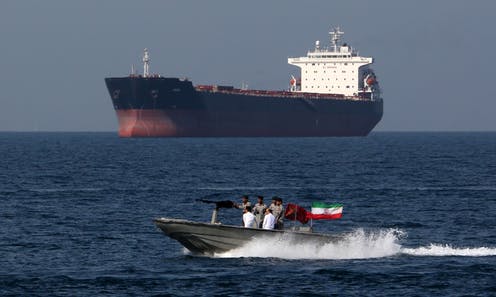
Two Chinese oil tankers successfully passed through the Strait of Hormuz on Wednesday, raising optimism that tensions between the United States, Israel, and Iran may soon ease. Shipping data revealed the vessels were carrying nearly 4 million barrels of Iraqi crude, a significant development amid ongoing concerns over global oil supply disruptions and Middle East security.
U.S. President Donald Trump stated that the conflict with Iran could end “very quickly,” while Vice President JD Vance highlighted progress in diplomatic talks with Tehran. Speaking at a White House briefing, Vance said the administration believed negotiations were moving in a positive direction despite challenges with Iran’s divided leadership. Trump also revealed he had delayed a planned military strike after receiving a fresh proposal from Tehran aimed at ending hostilities.
The Strait of Hormuz remains one of the world’s most critical oil shipping routes, and the ongoing conflict has severely disrupted energy exports and maritime trade across the Gulf region. Hundreds of tankers have faced delays in recent months as military tensions damaged shipping infrastructure and energy facilities. Analysts say the reopening of trade routes is crucial for stabilizing global crude oil prices and easing pressure on energy markets.
Brent crude prices declined after the latest comments from Washington, falling to around $110 per barrel before recovering slightly. Market analysts noted that investors are closely monitoring whether the U.S. and Iran can finalize a peace agreement, especially as diplomatic signals continue to shift rapidly.
Iranian officials claimed the latest proposal includes lifting sanctions, releasing frozen Iranian assets, ending military activity near Iranian territory, and compensation for damages caused by recent attacks. Tehran also demanded an end to U.S. naval restrictions in the Gulf.
Despite a ceasefire largely holding since April, regional instability remains high. Iran-backed groups have reportedly launched drones toward Gulf countries including Saudi Arabia and Kuwait, while broader concerns over Iran’s nuclear program and missile capabilities continue to complicate negotiations.







