


 NASA Artemis II: First Crewed Moon Mission Since Apollo Takes Four Astronauts on 10-Day Lunar Journey
  Neuralink Plans High-Volume Brain Implant Production and Fully Automated Surgery by 2026
  Tabletop particle accelerator could transform medicine and materials science
  Eli Lilly’s Inluriyo Gains FDA Approval for Advanced Breast Cancer Treatment
  Blue Origin New Glenn Explosion Could Delay Launch Operations Until 2028
  SpaceX Delays Starship V3 Launch Ahead of Potential Record IPO
  NASA Partners with Katalyst to Save Swift Observatory with Innovative Docking Mission
  Is space worth the cost? Accounting experts say its value can’t be found in spreadsheets
  Trump Signs Executive Order to Boost AI Research in Childhood Cancer
  SpaceX’s Starship Completes 11th Test Flight, Paving Way for Moon and Mars Missions
  SpaceX Prioritizes Moon Mission Before Mars as Starship Development Accelerates
  Trump Administration Releases New UFO Files and Apollo Mission Records


 Add as a preferred source on Google
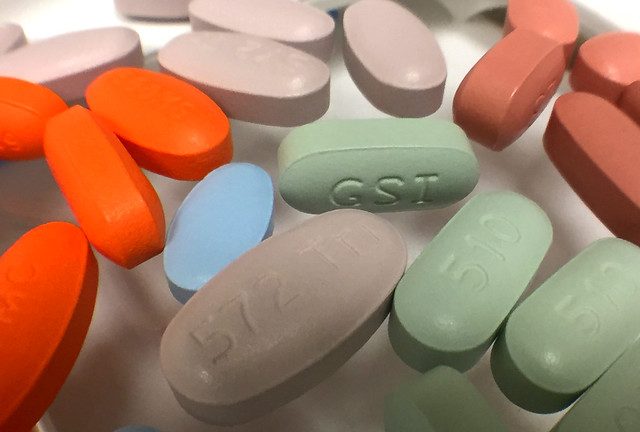
Many developments in the works of ending the HIV/AIDS epidemic have been reported this year. Most recently, a group of scientists confirmed that a currently available drug can help in stopping the transmission of the virus and more experts are praising this progress.
The said study, published through The Lancet medical journal last week, was composed of a series of observations from 2010 to 2018 on around 1,000 male serodifferent couples in Europe. Serodifferent means one partner is diagnosed with HIV while the other is not. The HIV-positive patients recruited for the research were those who have suppressed the virus in their body through antiretroviral treatment (ART) medications.
The great news is that none of the HIV-free participants contracted the virus from their HIV-positive partners through the course of the observations. The results of the eight-year study showed scientists that properly taking ART drugs bringing down the virus to an undetectable stage in one’s body can stop the transmission of HIV.
The researchers, however, reported that 15 men were later diagnosed with HIV. But it was proven through DNA testing that they contracted the virus from partners who were not enlisted in the research and were not taking ART medications.
This development is now being hailed around the world. For one, Professor Myron S. Cohen of the University of North Carolina at Chapel Hill’s Institute for Global Health and Infectious Diseases calls this study “important” and inspiring to other experts who hope to contribute in ending the HIV epidemic. “Timely identification of HIV-infected people and provision of effective treatment lead to near normal health and lifespan and virtual elimination of the risk of HIV transmission,” Cohen added.
ART’s availability alone is a huge development for patients around the world while the ultimate HIV/AIDS cure has not yet been found. As of 2017, the World Health Organization reports that around 36.9 million people are living with the virus. But the proof that suppressing the virus in one’s body through medications is another win in the fight of ending the epidemic, though, a great deal of work remains undone.







