


 Ghana Rejects U.S. Health Deal Over Data Sharing Concerns Amid Foreign Aid Shift
  Brazil Pension Fund Crackdown After Banco Master Collapse Raises Investment Concerns
  US to Withdraw 5,000 Troops from Germany Amid Growing Rift with European Allies
  Judge Rules Use of Military Lawyers in Civilian Prosecutions Is Lawful
  Ukraine-Russia Ceasefire Confirmed as Prisoner Swap Deal Advances
  Trump Reportedly Approves Plan to Remove FDA Commissioner Marty Makary Amid Growing Controversies
  Trump Administration Dismisses Entire National Science Board, Sparking Debate Over Scientific Independence
  FEMA Reinstates Employees After Dissent Letter, Signaling Shift in Workforce Stability
  Google Secures Pentagon AI Deal for Classified Projects
  Pope Leo Calls for Peace as Vatican Seeks Better Ties With U.S.
  TikTok Nears $400 Million Settlement With Trump Administration Over Child Privacy Lawsuit
  Trump Announces Russia-Ukraine Ceasefire for May 9-11 Amid Ongoing Peace Talks
  New York Moves to Ban Masked Law Enforcement During Immigration Operations
  U.S. Fast-Tracks $8.6 Billion Arms Sales to Middle East Allies Amid Rising Tensions
  U.S. Sanctions Former DR Congo President Joseph Kabila Over Rebel Support
  Senate Stablecoin Bill Sparks Clash Between Banks and Crypto Industry
  White House Withdraws Trump’s National Park Service Nominee Amid Criticism


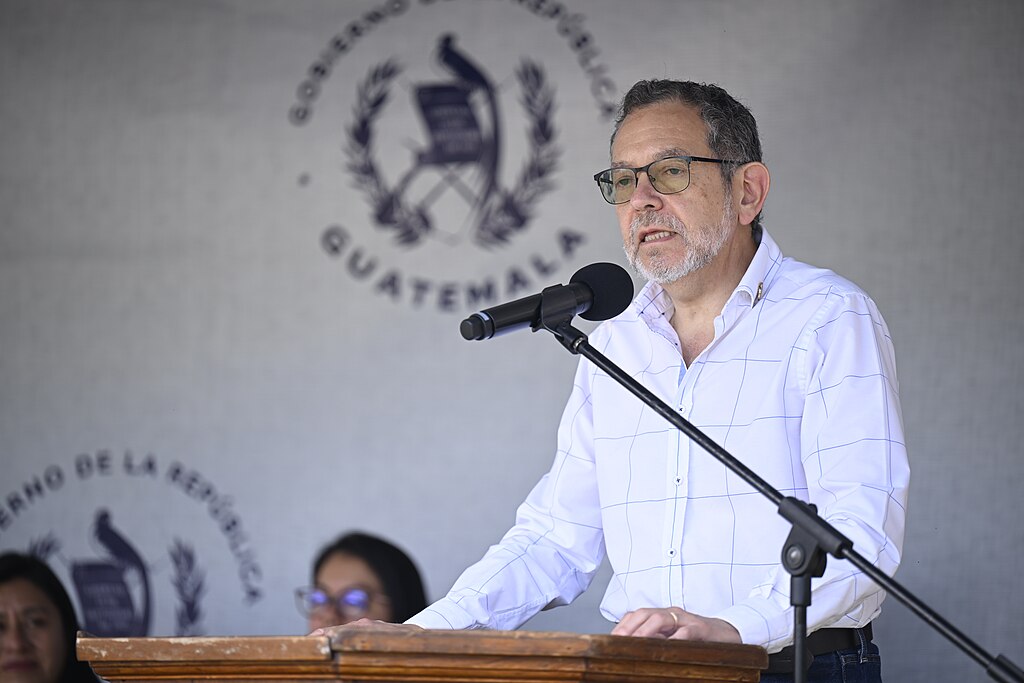
Guatemala’s president, Bernardo Arévalo, declared a 30-day state of siege after a wave of gang-related violence erupted following a dramatic prison hostage crisis that left at least seven police officers dead and 10 others injured. The emergency measure was announced on Sunday after security forces successfully freed dozens of prison guards who had been taken hostage by inmates during coordinated riots at three men’s prisons.
The violence began early Saturday when rioting inmates seized 46 prison guards. Guatemalan authorities blamed the unrest on the Barrio 18 gang, one of the country’s most notorious criminal organizations, which the government said was attempting to pressure officials into granting greater privileges to imprisoned gang members. Security forces eventually regained control of the prisons, including the facility where Barrio 18 leader Aldo Duppie, also known as “El Lobo,” was being held.
After authorities reestablished control and took Duppie back into custody, gang-led retaliation quickly followed. Armed attacks targeting police officers broke out across several areas in and around Guatemala City, escalating fears of widespread insecurity. President Arévalo described the assaults as deliberate attempts to terrorize both security forces and the public, vowing that the government would not retreat in its fight against organized crime. One gang member was also killed during the clashes.
Under Guatemalan law, a state of siege allows the government to temporarily restrict certain civil liberties and expand the powers of the police and army in response to serious threats to public order. Arévalo emphasized that the measure is aimed solely at dismantling gang violence and should not disrupt the daily lives of ordinary Guatemalans. Nevertheless, authorities urged caution, with the National Civil Police advising residents to stay home and the U.S. Embassy issuing a security alert for American citizens.
As a precaution, school classes nationwide were canceled on Monday, and three days of national mourning were declared. Barrio 18 was officially labeled a terrorist group by Guatemala’s Congress in October 2025, shortly after it received the same designation from the United States. El Lobo, who is serving prison sentences totaling nearly 2,000 years, remains a central figure in the ongoing crackdown against gang violence in Guatemala.







