


 HP Stock Drops 9% Despite Q3 Earnings Beat and Raised 2026 Outlook
  Nvidia Revenue Soars 106% as AI Demand Hits ‘Inflection Point’
  U.S. Disrupts China-Linked Hacking Campaign Targeting Government Agencies
  SoftBank Eyes $20 Billion Bond Sale to Refinance OpenAI Loan
  Nvidia Eyes Perplexity Investment at $30 Billion Valuation
  Faraday Future Delivers First Robots in Middle East, Plans September Launches
  New Zealand Labour Backs Social Media Ban for Under-16s
  Luxshare Shares Rise as First-Half Profit Jumps 18%
  Meta, U.S. States Discuss Settlement in Teen Addiction Trial
  OpenAI AI Agent Swarm Behind Hugging Face Hack
  Countries Tighten Social Media Bans for Children
  Trump Buys SpaceX Shares After Record IPO
  Google Changes EU Spam Policy Amid Antitrust Scrutiny
  PayPal Shares Sink as $50 Billion Takeover Bid Collapses
  Unitree Shares Plunge 45% After Blockbuster IPO, Raising China Tech Bubble Fears
  Salesforce Shares Surge as AI Demand Powers Q2 Earnings Beat


 Add as a preferred source on Google
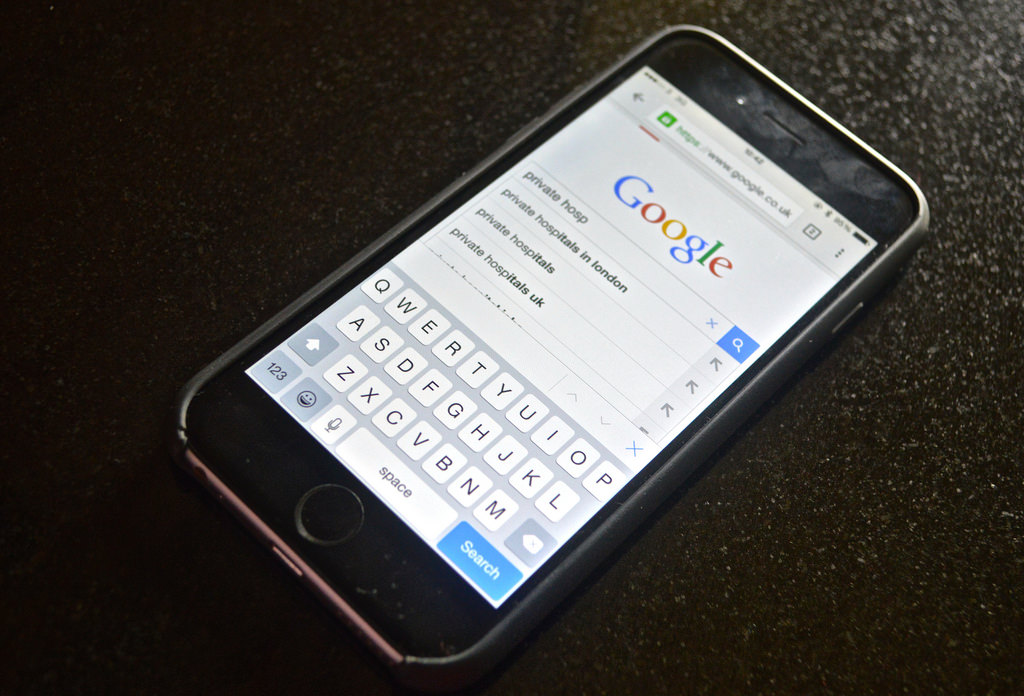
Accelerated Mobile Pages (AMP) is the initiative that Google launched in 2016, which made loading pages so much faster. Unfortunately, it’s not supported by every single site, which meant that it was only useful for domains where the search engine company has influence. Google is now seeking to change this, however, by launching a campaign to make AMP an internet-wide standard to follow.
As Engadget notes, the biggest problem with AMP is that it only works with Google’s own website, Twitter, and rival search engines like Bing. This meant that no matter how fast its loading technology might be, it’s essentially useless.
This is why the company is now launching a campaign to convince everyone else to adopt its technology so that it becomes standardized. Google’s David Bresbis explained this himself when speaking to The Verge. Bresbis also notes that, unlike what many people are saying, the company is not pushing for the adoption of AMP to be the owners of the internet.
"It wasn’t like we invented AMP because we wanted to control everything, like people assume,” Bresbis said.
The Google executive also notes how horrible the state of the mobile web industry was before they launched AMP. The company saw a problem and it solved it.
“The trend in the industry at the time was the simple way of solving these problems, where you guaranteed that you could control the experience … but that comes at the cost of the web,” he explained.
In the blog post announcing the campaign, Google notes the reasons for adopting AMP and why it is launching the initiative now.
“We are taking what we learned from AMP, and are working on web standards that will allow instant loading for non-AMP web content. We hope this work will also unlock AMP-like embeddability that powers Google Search features like the Top Stories carousel,” the post reads.







