


 U.S. Probes Apex Logistics Over Nvidia AI Chip Shipments to China
  South Korea Unveils Record $597 Billion 2027 Budget to Boost AI and Chips
  Apple’s Phil Schiller Steps Back as Leadership Shake-Up Accelerates
  Thomson Reuters C-Track Cyberattack Hits Courts Across U.S. and Canada
  Nvidia Pauses AI Cloud Financing Deals Amid Antitrust Concerns
  Pinterest Stock Falls as CFO Julia Brau Donnelly Resigns
  Nvidia Eyes $2.5 Billion Investment in Thinking Machines Lab
  MediaTek Shares Jump 10% on Nvidia’s $3.5 Billion Investment
  Adobe Names Anil Chakravarthy CEO as AI Push Accelerates
  Google Changes EU Spam Policy Amid Antitrust Scrutiny
  SpaceX Mobile Network Could Cost Up to $130 Billion, Bernstein Says
  OpenAI Nears Astra AI Model Launch With Safety Focus
  Lenovo Shares Fall After Dropbox Security Breach Exposes ID Vulnerability
  Anthropic Nears $15 Billion Credit Deal Ahead of IPO
  Chinese AI Stocks Rally After OpenAI Launches GPT-6 Astra
  U.S. Disrupts China-Linked Hacking Campaign Targeting Government Agencies
  Texas Republicans Turn Against AI Data Centers as Election Backlash Grows


 Add as a preferred source on Google
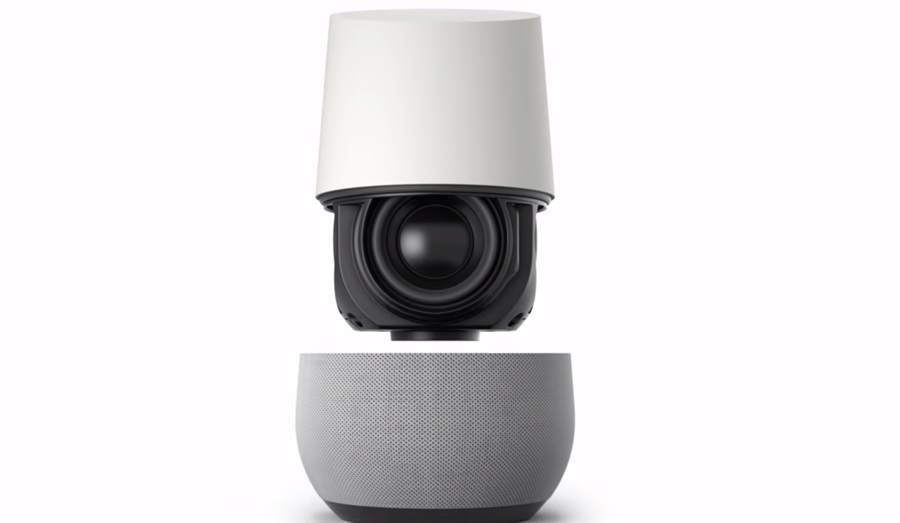
One of the many things that make Google Home a great product is that it offers convenience above anything else. Now, the Mountain View-based company will be rolling out a new feature that would enhance the smart speaker experience.
Google Home is now capable of making and receiving calls through Google Duo, allowing users to make calls from their smartphones to the smart speaker by voice commands. To take advantage of this useful feature, you’d have to set up everything first.
First, head over to the Services menu on the Settings of the Google Assistant App. Then, click Voice and Video Calls and select Video and Voice Apps. From there, you can link Duo to Google Assistant, with options on the bottom that will allow users to enable the feature on other smart speakers in the house. And that’s it, your Google Home is now set up, IBT reported.
How to bypass Google Home’s restriction
It should be noted, however, that the company said that this feature would only be available for users based in the United States. But others have already reported that you can bypass this by changing Google Home’s primary language to English.
Another useful feature of the device is that the Google Home is able to transfer music to Nest smart speakers. The bad news is that third-party speakers will not be able to take advantage of this as the company only allows Google-branded products to access the feature.
Fortunately, the tech giant has confirmed to CNET that it will bring the functionality to third-party products in the future. The company is also looking for ways to transfer music from Google Home to a smartphone.
Fixing Google Home’s voice command
As for anyone who’s having trouble with voice commands, the problem can be fixed by retraining Google Home to one’s voice. To do this, simply head over to the Google Home App and select the personal icon on the lower right-hand side.
Scroll down and choose More Settings. Then, go to voice match and retrain the Assistant to recognize your voice. And just by doing these steps, your Google Home will be back to normal. With all these additions being added to the smart speaker, the device is becoming more ubiquitous worldwide, which is unsurprising given the host of functionalities that it offers.







