


 US Stock Futures Steady as Investors Await Payrolls Data and Monitor Iran Tensions
  Trump Threatens 100% Tariffs on Countries Imposing Digital Services Taxes on U.S. Tech Firms
  Yen Falls to 40-Year Low as Markets Watch Japan Intervention and U.S. Jobs Report
  China Expands Export Controls, Adds 20 Japanese Companies to Restricted List
  China Manufacturing PMI Edges Higher in June as Exports and AI Investment Boost Growth
  Oil Prices Rise as US-Iran Tensions Threaten Strait of Hormuz Oil Shipments
  Asian Currencies Stay Range-Bound as Investors Eye China Data, RBNZ Outlook and U.S.-Iran Ceasefire
  Dollar Slips Ahead of Key U.S. Jobs Data as Fed Rate Outlook, ECB, and Iran Talks Shape Forex Markets
  Argentina Economy Shrinks 1.5% in April, Recovery Under Milei Loses Momentum
  Canada Grants C$7 Million to Greenland Molybdenum Mine to Strengthen Critical Minerals Supply
  Global Financial Firms Shift Asia Expansion Focus to South Korea as China, India Face Caution
  Central Banks Eye Gold, Reduce Dollar Exposure as AI Adoption Accelerates: OMFIF Survey
  Gold Prices Drop as Fed Rate Outlook and Iran Tensions Weigh on Market
  Economic pessimism has set in – but there are reasons for Australians to be hopeful
  Trump Urges Gasoline Retailers to Cut Prices to $2.50 Per Gallon, Warns of Legal Action
  World Bank Approves $1.1 Billion Emergency Funding for Bangladesh Amid Food and Energy Price Pressures
  Asian Stocks Slip as US-Iran Ceasefire Hopes Lift Oil, Dollar Strength Persists


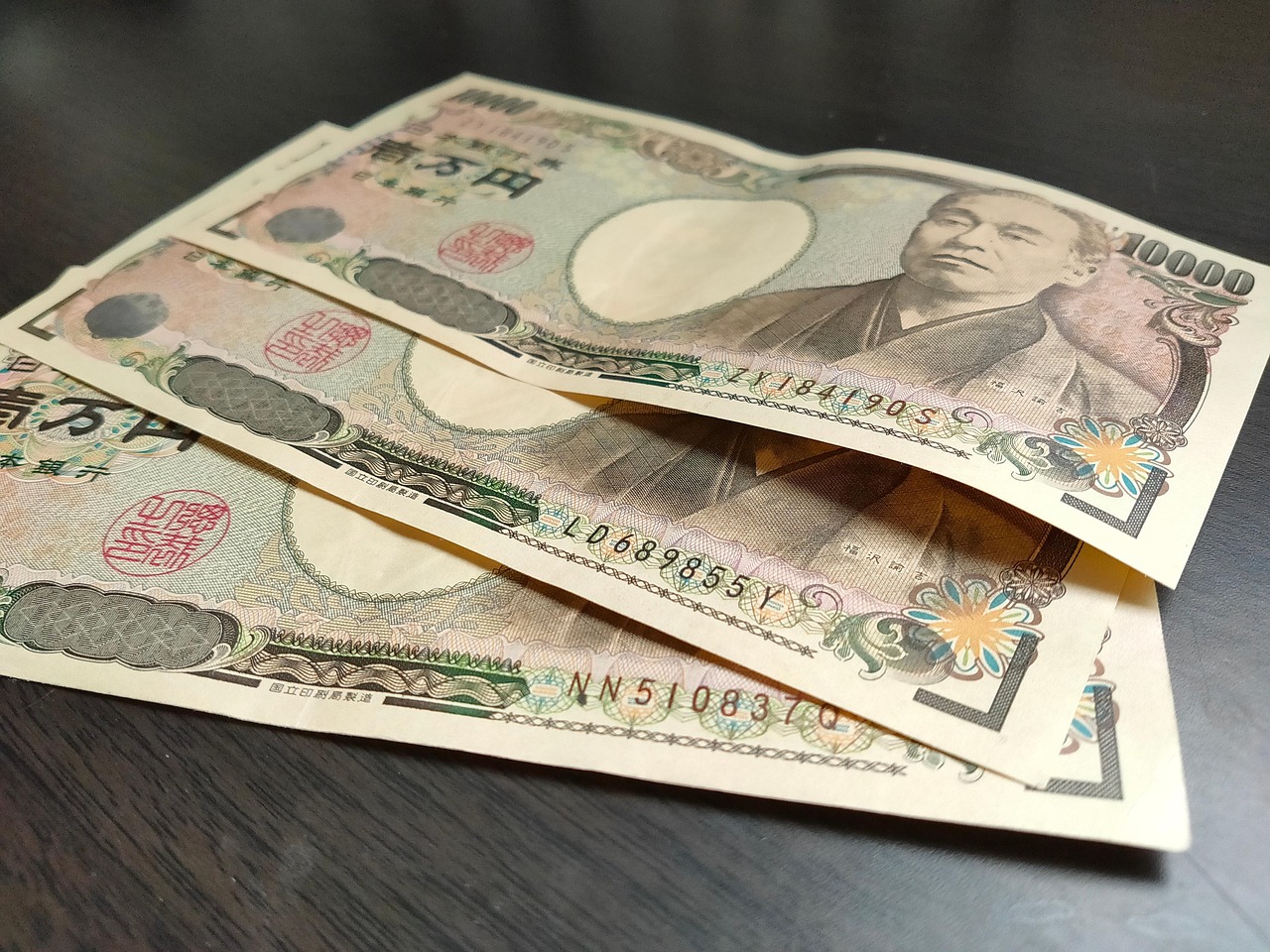
Japanese stocks experienced a strong wave of foreign investor inflows in the week ending April 18, supported by a rally in artificial intelligence-related companies and improving global risk sentiment. Optimism surrounding a potential resolution to tensions in the Middle East played a key role in boosting market confidence and attracting international capital into Japan’s equity market.
According to data released by Japan’s Ministry of Finance, foreign investors purchased a net 2.38 trillion yen (approximately $14.92 billion) in Japanese equities during the week. This follows an even larger inflow of 3.94 trillion yen recorded the previous week, marking one of the strongest consecutive buying streaks in recent history. The sustained inflows highlight growing global interest in Japan’s stock market, particularly in the technology and AI sectors.
Technology stocks were a major driver of this momentum, with investor enthusiasm fueled by early-stage gains in AI-related companies. SoftBank Group saw an impressive rise of 19.83%, while semiconductor testing equipment maker Advantest climbed 11.52% over the same period. These gains contributed to broader market strength, pushing the Nikkei index above the 60,000 level for the first time.
Market sentiment was further lifted after U.S. President Donald Trump announced an indefinite extension of the Iran ceasefire, easing geopolitical concerns and encouraging risk-taking among investors. However, while foreign investors showed strong appetite for equities, they reduced exposure to Japanese long-term bonds, selling a net 298.2 billion yen and ending a two-week buying trend. Meanwhile, short-term government bills saw modest net purchases of 1.89 billion yen.
In global markets, Japanese investors continued their buying streak in foreign equities for a ninth consecutive week, acquiring a net 338.1 billion yen. On the other hand, they remained cautious with foreign debt securities, recording net sales of 183.3 billion yen, marking their fifth weekly outflow in the past six weeks.







