


 China Manufacturing PMI Edges Higher in June as Exports and AI Investment Boost Growth
  Global Financial Firms Shift Asia Expansion Focus to South Korea as China, India Face Caution
  Central Banks Eye Gold, Reduce Dollar Exposure as AI Adoption Accelerates: OMFIF Survey
  Trump Suspends Some Morocco Fertilizer Tariffs to Ease U.S. Supply Shortage
  Oil Prices Rise as US-Iran Tensions Threaten Strait of Hormuz Oil Shipments
  Oil Prices Slip as U.S.-Iran Peace Talks and Strait of Hormuz Risks Keep Markets on Edge
  Gold Prices Drop as Fed Rate Outlook and Iran Tensions Weigh on Market
  Argentina Economy Shrinks 1.5% in April, Recovery Under Milei Loses Momentum
  Gold Price Falls as Fed Rate Hike Fears and U.S.-Iran Tensions Weigh on Bullion
  RBA Minutes Signal Australia Central Bank Remains Ready to Raise Interest Rates if Inflation Persists
  Trump Urges Gasoline Retailers to Cut Prices to $2.50 Per Gallon, Warns of Legal Action
  Canada Grants C$7 Million to Greenland Molybdenum Mine to Strengthen Critical Minerals Supply
  China Factory PMI Seen Returning to Growth in June as AI Export Demand Supports Economy
  US Stock Futures Steady as Investors Await Payrolls Data and Monitor Iran Tensions
  Trump Threatens 100% Tariffs on Countries Imposing Digital Services Taxes on U.S. Tech Firms
  China Expands Export Controls, Adds 20 Japanese Companies to Restricted List
  Japan Targets 1%+ Real Economic Growth With ¥370 Trillion Investment Plan


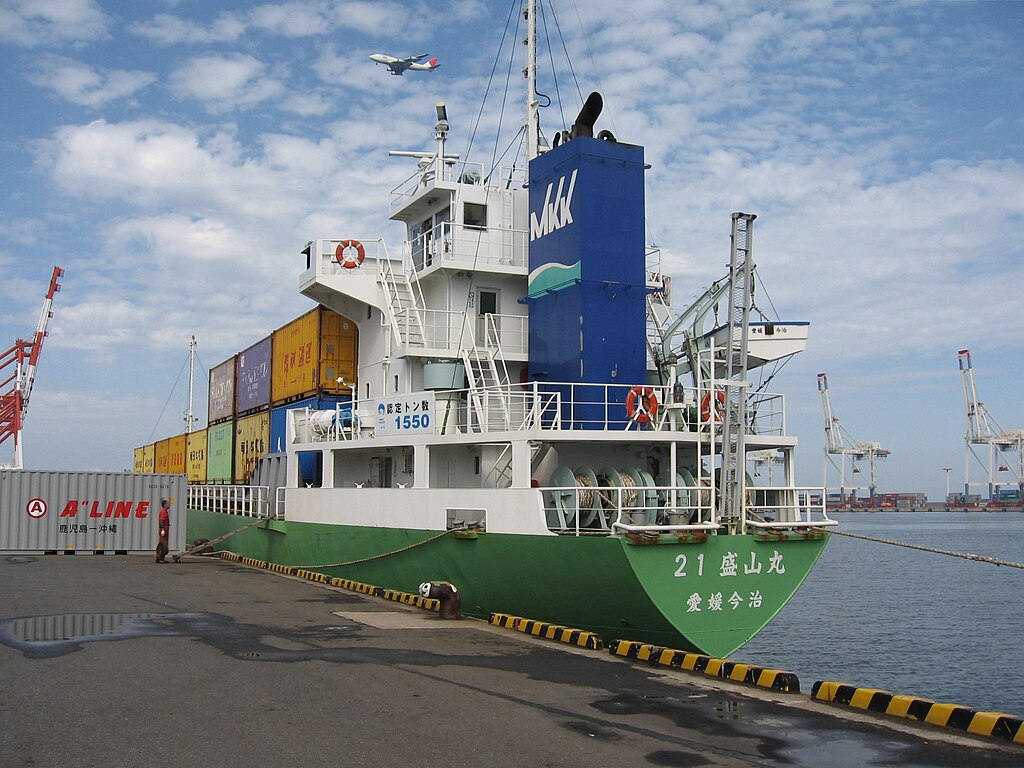
Japan’s exports extended their growth streak for a seventh consecutive month in March, driven largely by strong global demand linked to artificial intelligence (AI) and data center expansion. According to government data, total exports rose 11.7% year-on-year, surpassing market expectations of an 11% increase and signaling continued resilience in Japan’s trade performance despite rising geopolitical tensions.
Economists highlight that AI-related demand remains a key driver behind Japan’s export growth. Increased investment in data centers and advanced technologies has boosted shipments of electronic components and capital goods. Koki Akimoto, an economist at Daiwa Institute of Research, noted that while AI demand is expected to stay strong, uncertainties tied to the Middle East conflict could flatten the overall trade outlook in the coming months.
Imports also climbed 10.9% in March compared to the previous year, exceeding forecasts of 7.1%. This rise comes as global oil supply disruptions—particularly those linked to the effective shutdown of the Strait of Hormuz—begin to impact energy prices. However, the full effect of these disruptions has yet to be fully reflected in import costs.
Japan recorded a trade surplus of 667 billion yen ($4.18 billion), falling short of the anticipated 1.1 trillion yen. Beneath the positive export figures, regional disparities are evident. Exports to the Middle East dropped sharply by 45.9%, largely due to a 36.8% decline in automobile shipments. In contrast, exports to the United States rose 3.4%, while shipments to China surged 17.7%, helping offset losses in other regions.
Japan’s economy continues to show signs of moderate recovery, supported by stable business investment and export growth. However, analysts warn that rising oil prices and supply chain disruptions could increase import costs and strain household spending. As an energy-dependent economy, Japan remains vulnerable to fluctuations in global oil markets.
The Bank of Japan is expected to maintain its current interest rate policy while continuing its tightening stance to address inflation pressures driven by a weak yen and higher energy costs.







