


 Asian Stock Markets Rally as Japan and South Korea Hit Record Highs Amid Oil Price Concerns
  Trump-Iran Conflict Escalates as Nuclear Talks Stall and Oil Prices Surge
  Lightelligence IPO Soars Over 400% in Hong Kong Debut Amid Rising AI Investment Demand
  WuXi AppTec Stock Surges on Strong Q1 Earnings and CRDMO Demand Growth
  Advantest Stock Falls on Weak Outlook Despite Strong AI-Driven Results
  US Sanctions Target Iran’s Shadow Banking Network and Terror Financing
  Trump Urges Iran to Call for Talks as War Stalemate Disrupts Oil Markets
  European Stocks Slip as U.S.-Iran Tensions and Earnings Season Weigh on Markets
  Pershing Square Raises $5 Billion in Landmark U.S. IPO and Share Placement
  Spirit Airlines Gains Key Creditor Support for $500M Bailout Deal
  U.S. Demand for Alternative Satellite Providers Remains Strong Amid SpaceX Regulatory Push
  OpenAI Faces Revenue Pressure and User Growth Challenges Ahead of IPO
  Nippon Express Stock Jumps as Elliott Investment Signals Strong Foreign Interest in Japan Logistics Sector
  BOJ Rate Decision in Focus as Yen, Inflation, and Nikkei Hang in Balance
  TSMC Exits Arm Holdings with $231 Million Share Sale Amid Strategic Portfolio Shift
  Yen Strengthens as BOJ Signals Rate Hikes; Asian Currencies Slip Ahead of Fed Meeting


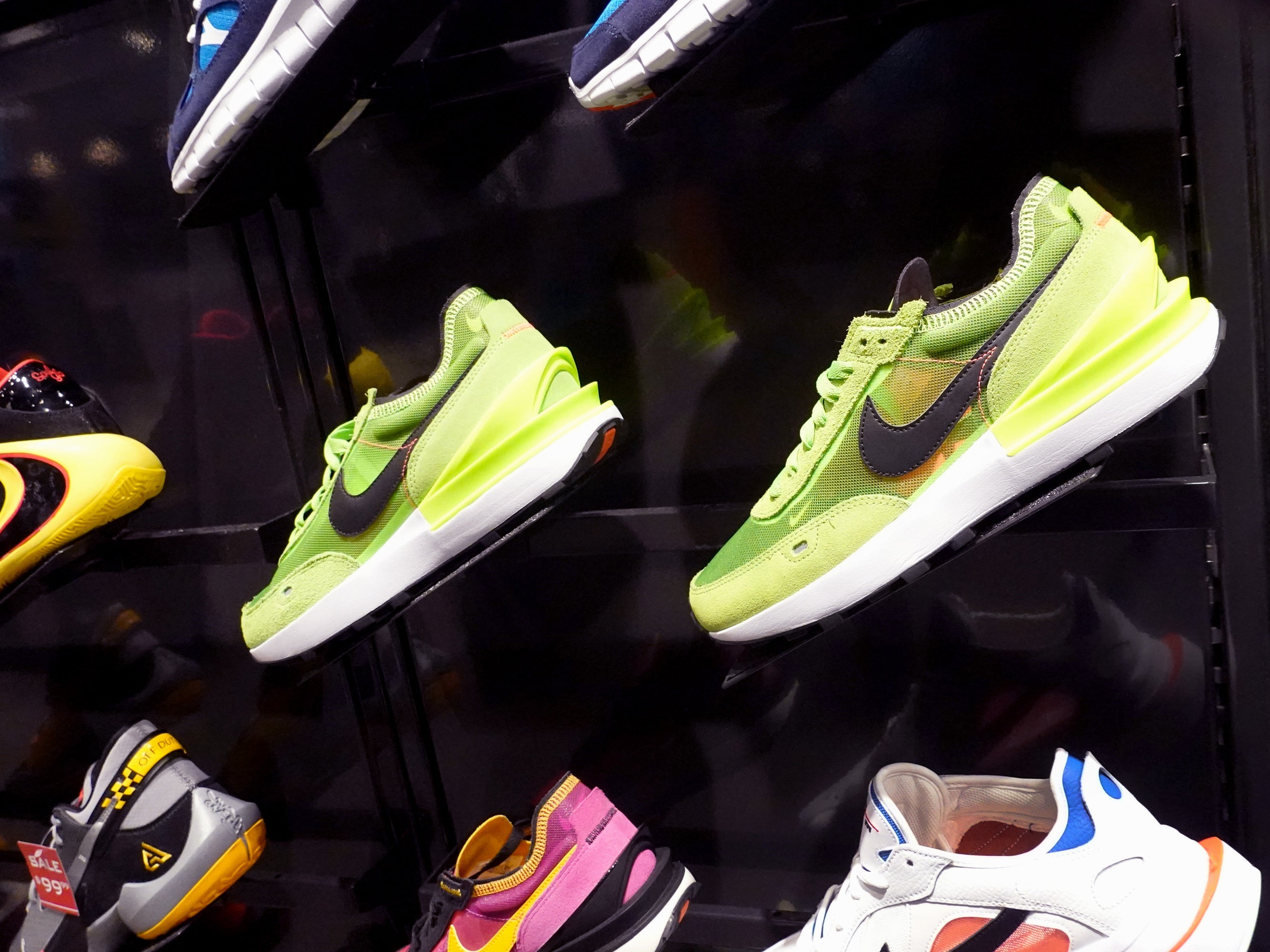
Foot Locker shares tumbled almost 30 percent after saying it expects revenue to drop in 2022 due to lesser products it could sell from its top vendor, Nike.
Beginning in the fourth quarter of 2022, Foot Locker said no single vendor will represent over 55 percent of its supplier purchases, compared with 65 percent in the year-ago period.
Purchases from Nike won’t exceed 60 percent of the total this year, down from 70 percent in 2021 and 75 percent in 2020.
The adjustments reflect the shift by Nike to sell more of its sneakers and apparel directly to consumers, according to Foot Locker.
In turn, Foot Locker is increasing its direct-to-consumer efforts, with plans to launch several private-label apparel brands.
Nike and Under Armour have both stated their intentions to reduce dependence on wholesale partners. These companies hope to achieve higher profits by selling through their physical stores and websites. As a result, wholesalers like Foot Locker and Dick's Sporting Goods have had to develop more of their lines to compete.
Foot Locker will also be leaning into existing relationships with brands such as New Balance, Puma, and Crocs.
On Friday, Foot Locker stock hit a 52-week low of $26.36, closing at $29.07. The company's share price has decreased by about 33% thus far in 2017.
For the three months ended January 29, Foot Locker's net income fell to $102 million, or $1.02 per share, from $123 million, or $1.17 a share, a year earlier. It earned $1.67 per share excluding one-time costs, compared with analysts' expectations for $1.
Sales increased 6.9% to $2.34 billion from $2.19 billion the previous year, slightly outpacing expectations of $2.33 billion.
According to the retailer, same-store sales improved 0.8 percent, with apparel revenue significantly outpacing footwear.
Investors were also disturbed by Foot Locker's bleaker view for 2022. The footwear store predicted Friday that sales would drop by 4% to 6% this year, with same-store sales projected to decrease by 8% to 10%.
Analysts had been looking for year-over-year revenue growth of 2%, according to Refinitiv.
Foot Locker said it will be lapping a time when consumers had additional stimulus dollars to spend.
The retailer said it will implement a cost-saving plan that will begin immediately to save $200 million each year. Foot Locker's board also gave its blessing to a new $1.2 billion share repurchase program.







