


 Dollar Strengthens Amid Oil Price Surge and Inflation Fears
  IEA Releases Record 400 Million Barrels of Oil Amid U.S.-Iran War
  RBA Rate Decision: Deputy Governor Signals Genuine Debate Ahead of March Meeting
  Bank of Japan Expected to Hold Rates at 0.75% Before June Hike Amid Middle East War Uncertainty
  IEA Plans Record Emergency Oil Release Amid Iran Strait of Hormuz Crisis
  Chinese AI Stocks Surge as Tencent, MiniMax, and Zhipu Launch Agentic AI Programs
  Oil Prices Surge Toward $100/Barrel After Tanker Attacks in Iraqi Waters
  U.S. Futures Slide as Oil Prices Surge on Middle East Shipping Attacks
  Dollar Stabilizes Amid Iran War Uncertainty as Oil Prices Remain Elevated
  Gold Prices Slip as U.S.-Israel-Iran War Fuels Dollar and Oil Demand
  Iran-U.S. Oil Tensions Escalate as Revolutionary Guards Threaten Strait of Hormuz Blockade
  Asia FX Steady as Iran War Signals and U.S. Inflation Data Weigh on Sentiment
  Asian Currencies Face Pressure as U.S.-Iran Conflict Weighs on Markets
  UK Housing Market Slows Amid Geopolitical Tensions and Mortgage Rate Fears
  Diesel Price Surge Threatens Global Economy Amid Middle East Conflict
  U.S.-Israel War on Iran Sends Crude Oil Prices Surging Amid Strait of Hormuz Tensions


Most Asian currencies traded within a narrow range on Monday, reflecting cautious sentiment as investors awaited key economic data from the United States and China. The Japanese yen edged slightly higher after Japan’s finance ministry stepped up warnings about potential currency market intervention, offering temporary support to the battered currency.
Despite the modest gains, the yen continued to nurse recent losses against the U.S. dollar. Ongoing concerns over Japan’s stretched fiscal position remained a key drag, especially after Prime Minister Sanae Takaichi secured a decisive landslide victory in Sunday’s lower house elections. Her ruling coalition’s new supermajority has cleared the way for expansive fiscal spending plans, which markets fear could further strain government finances and pressure the yen.
The USD/JPY pair slipped around 0.2% to trade near 156.87, after earlier losses of up to 0.5%. Japanese officials, including Finance Minister Satsuki Katayama, warned that authorities were closely monitoring currency markets and coordinating with the U.S. Treasury, raising speculation about possible intervention if the yen weakens further toward the 160 level. Analysts noted that while intervention talk can slow yen losses, worries about fiscal expansion continue to cap any sustained recovery.
Across the region, broader Asian currencies remained subdued as the recent rebound in the U.S. dollar cooled. The dollar index eased slightly after hitting multi-week highs, with traders reluctant to take aggressive positions ahead of major U.S. economic releases. This week’s nonfarm payrolls and consumer price index data are expected to provide fresh insight into inflation trends and the future path of U.S. interest rates under the Federal Reserve’s new leadership outlook.
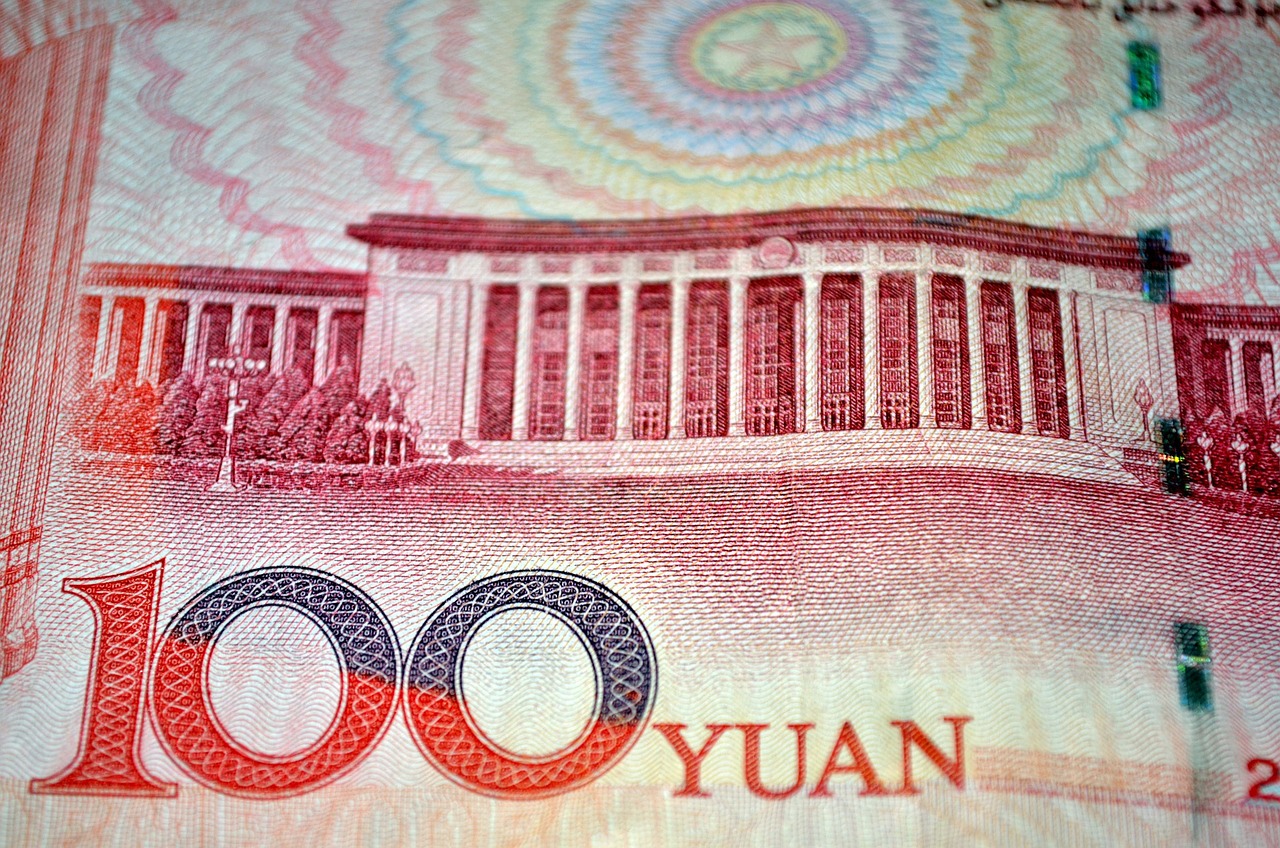
In China, the yuan hovered near its weakest levels since mid-2023, even as the People’s Bank of China continued to offer support through strong daily fixings. Markets are now focused on upcoming Chinese inflation data for clues on economic momentum ahead of the Lunar New Year.
Elsewhere, the Australian dollar strengthened modestly as expectations grew for further Reserve Bank of Australia rate hikes following a recent hawkish policy move. The Singapore dollar was flat, while the South Korean won and Indian rupee posted slight moves, reflecting regional caution and central bank policy signals.













