


 Texas AG Investigates Lululemon Over "Forever Chemicals" in Activewear
  Apple Wins ITC Ruling, Keeping Blood-Oxygen Feature on Apple Watch
  Judge Delays SEC Settlement With Elon Musk Over Twitter Stock Disclosure Case
  U.S. Army Soldier Charged in $400K Insider Betting Scheme on Maduro Capture
  DOJ Ends Probe Into Fed Chair Jerome Powell, Boosting Kevin Warsh Confirmation Prospects
  Comey Faces Charges Over Instagram Post as Free Speech Debate Intensifies
  Argentina Court Upholds Cristina Kirchner Asset Seizure in Corruption Case
  Sam Altman Moves to Dismiss Punitive Damages in Sister's Sexual Abuse Lawsuit
  Florida Investigates OpenAI and ChatGPT Over Alleged Role in FSU Shooting
  Nike Tariff Refund Lawsuit Sparks Consumer Backlash Over Price Increases
  Trump Administration Files Fraud Charges Against Southern Poverty Law Center Over Informant Payments
  Florida Launches Criminal Probe Into OpenAI Over FSU Shooting Incident
  RFK Jr. Expands CDC Vaccine Advisory Panel's Scope Amid Legal Battles
  Taiwan Court Fines Tokyo Electron Unit $4.78M in Major TSMC Trade Secrets Case
  Federal Appeals Court Allows Texas SB4 Immigration Law Enforcement to Proceed
  Trump DOJ Challenges Colorado’s Large-Capacity Magazine Ban in Second Amendment Lawsuit


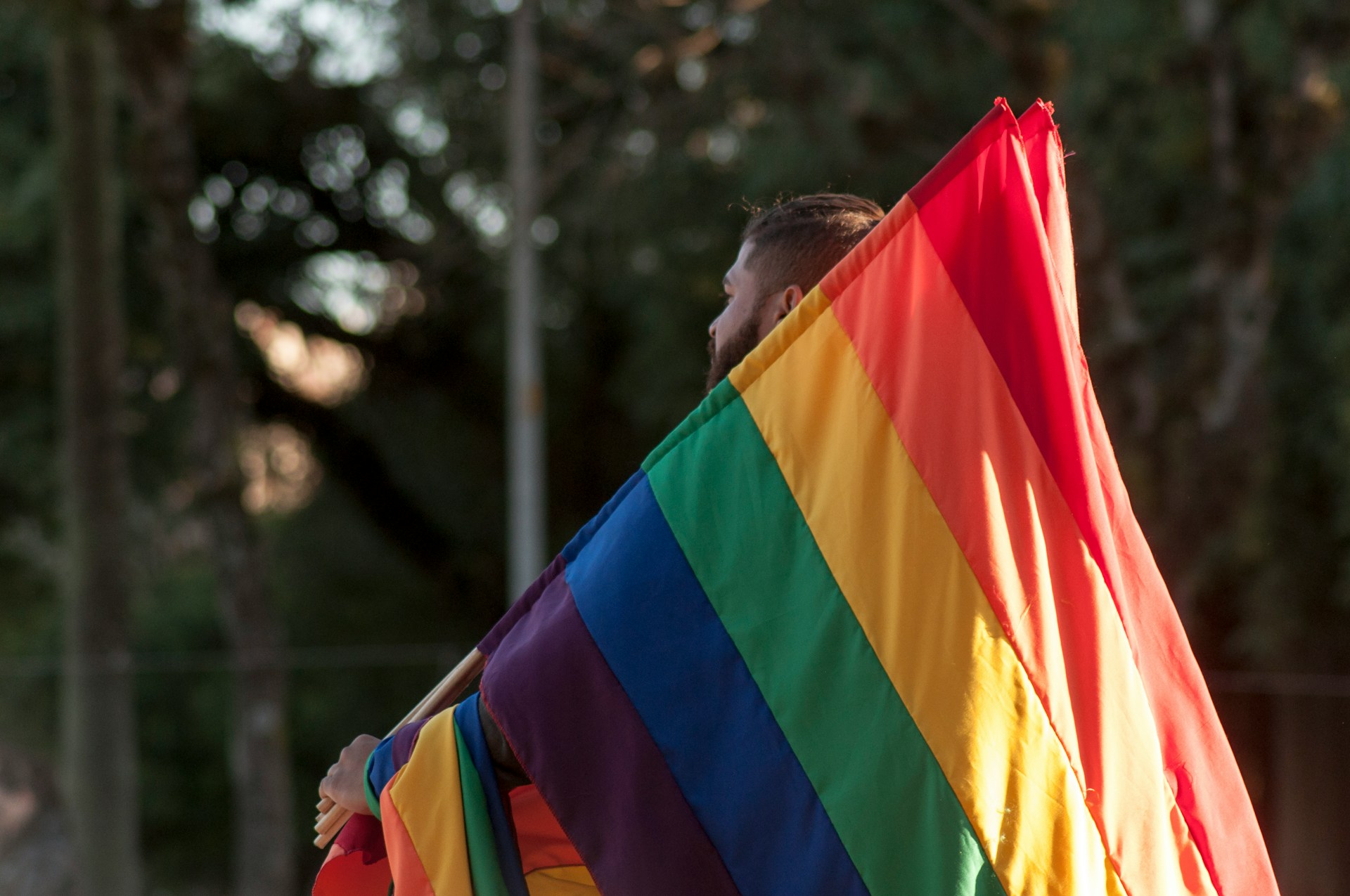
A newly proposed bill in Florida aims to prohibit the display of Pride, Black Lives Matter (BLM), and other flags deemed “political” on government property, igniting widespread debate across the state. The legislation, filed by Republican lawmakers, has sparked sharp criticism from advocacy groups who call it an attack on inclusivity and free expression.
Under the proposed measure, only official government flags—such as the American flag, state flags, and military banners—would be permitted on state and municipal buildings. Proponents argue the bill seeks to depoliticize public spaces, while opponents accuse lawmakers of silencing marginalized communities.
Bill Seeks to ‘Depoliticize’ Public Spaces
Supporters of the legislation contend the measure is necessary to maintain neutrality in public buildings. By restricting the display of certain flags, they argue, the government can avoid endorsing specific movements or ideologies.
“This is about ensuring that taxpayer-funded spaces remain free from political bias,” one legislator said during the bill’s filing. “The government should represent all citizens, not just particular groups or viewpoints.”
However, critics are pushing back, claiming the bill unfairly targets flags representing civil rights and social justice movements. Organizations like the ACLU and Equality Florida have condemned the proposal, warning it could stifle visibility for historically underrepresented communities.
“This bill sends a chilling message to LGBTQ+ and Black communities that their presence isn’t welcome,” a spokesperson for Equality Florida stated.
Backlash and Public Outcry
The bill has triggered significant backlash on social media, where users have voiced strong opinions. Supporters see it as a move to prevent political favoritism, while opponents view it as exclusionary. The controversy has extended beyond Florida, with national advocacy groups weighing in on the implications for other states.
Here’s what some netizens are saying:
- @PrideAndResist: “This is not about neutrality—it’s about erasing marginalized voices. Shameful.”
- @RedWhiteAndRight: “Finally! Government property shouldn’t be a billboard for political agendas. Keep it neutral!”
- @EqualityFirstFL: “Banning Pride and BLM flags but keeping the Confederate memorials? Make it make sense.”
- @FreedomFlagUSA: “What’s next, banning the American flag because someone finds it offensive?”
- @LGBTQUnite: “Representation matters. This bill hurts the very people who need visibility the most.”
- @TaxpayerNeutral: “I support this. Government spaces should reflect everyone, not activist movements.”
The fierce reactions underscore how polarizing the issue has become, fueling fears that the legislation could embolden similar efforts in other states.
What Comes Next?
If passed, the bill could significantly alter the landscape of government property across Florida. Public buildings, schools, and municipal offices would be required to remove any flags outside the approved list. Opponents are expected to challenge the legislation in court, arguing that it violates First Amendment protections.
Legal experts suggest the bill may face an uphill battle, particularly over the definition of “political flags” and the precedent it sets for limiting free expression.
The proposed legislation marks another chapter in Florida’s increasingly contentious cultural and political landscape. Whether the bill succeeds or fails, its impact on national discourse surrounding representation and public spaces will likely endure.







