


 Michigan Senate Race Narrows as Mallory McMorrow Ends Democratic Campaign
  DOJ Orders Crackdown on Birth Tourism After Supreme Court Upholds Birthright Citizenship
  U.S. Supreme Court to Review Trump Administration Appeal on Immigrant Detention Without Bond Hearings
  FIFA Suspends Balogun Ban, Clears U.S. Striker for Belgium World Cup Clash
  Israel Cabinet Rejects Supreme Court Ruling, Sparking Constitutional Crisis Fears
  Supreme Court Backs Lisa Cook, Defends Federal Reserve Independence Against Trump Firing Attempt
  Meta Seeks Legal Shield From Child-Harm Lawsuits Amid KOSA Talks
  US Judge Seeks Explanation for DOJ’s Decision to Drop Gautam Adani Bribery Case
  Khamenei Funeral Draws Thousands as Iran Stages Nationwide Week of Mourning
  Colombia Opens New Investigation Into Former President Álvaro Uribe Over Paramilitary Allegations
  UN Rights Council Launches Sudan Probe Over RSF Violence in al-Obeid
  California Court Dismisses Trump Administration Lawsuit Against Los Angeles Sanctuary Policy
  Brazil Supreme Court Convicts Eduardo Bolsonaro Over U.S. Lobbying Efforts
  HSBC Australia Faces A$35M Penalty Over Scam Protection Failures
  Sara Duterte Impeachment Trial Opens, Putting 2028 Philippine Election in Focus
  Texas Man Charged After Fatal Tesla Full Self-Driving Crash in Katy


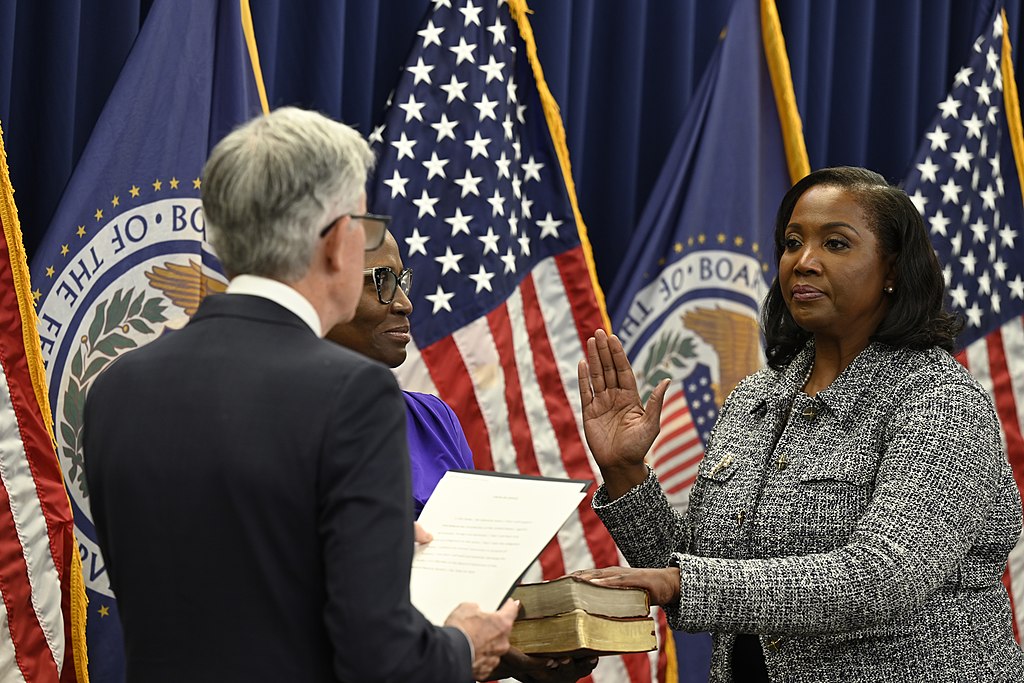
The U.S. Supreme Court is once again at the center of a high-stakes legal battle with major economic implications, as it considers the legality of President Donald Trump’s attempt to fire Federal Reserve Governor Lisa Cook. The case, emerging roughly four months into Trump’s second presidential term last year, has renewed debate over the independence of the Federal Reserve and the limits of presidential power over U.S. monetary policy.
At issue is whether a sitting president can remove a Fed governor based on allegations that critics say mask political motives. Cook, appointed by former President Joe Biden in 2022 and the first Black woman to serve as a Fed governor, sued Trump after he sought her removal, citing alleged mortgage fraud prior to her appointment. Cook has denied the claims, arguing they are a pretext to punish her for policy disagreements. Lower courts have so far sided with Cook, allowing her to remain in office while the case proceeds.
This dispute is one of two major economic cases involving Trump currently before the Supreme Court. The other concerns the legality of Trump’s sweeping global tariffs, imposed under a national emergency law, which the justices heard arguments on in November. With a 6–3 conservative majority, the Court has often deferred to Trump on an emergency basis since his return to office, but legal experts suggest economic governance may be different.
Scholars argue that central bank independence is a cornerstone of macroeconomic stability. Political interference in monetary policy, they warn, can fuel inflation and market instability. Several justices have already signaled concern about undermining the Fed, previously describing it as a “uniquely structured” institution deserving special protection.
The Cook case also intersects with broader concerns about pressure on the Fed ahead of elections. Critics view Trump’s actions against Cook and Fed Chair Jerome Powell, who is facing a Justice Department investigation, as efforts to influence interest rates before the midterms.
As the Supreme Court weighs its decision, expected by June, the outcome could define the future balance between presidential authority and Federal Reserve independence, with lasting consequences for the U.S. economy.







