


 Samsung Q2 Profit Seen Soaring as AI Memory Demand Keeps Chip Prices Elevated
  Trump Orders DOJ Investigation Into Exxon, Chevron Over High Gas Prices
  Norway Offshore Oil Workers Reach Wage Deal, Averting Strike
  California Drivers Sue BP, Walmart, 7-Eleven Over Alleged AI Gas Price Fixing
  Sara Duterte Impeachment Trial Opens, Putting 2028 Philippine Election in Focus
  Meta Seeks Legal Shield From Child-Harm Lawsuits Amid KOSA Talks
  Australia Sues Amazon Over Prime Video Ads and Subscription Terms
  U.S. Supreme Court to Review Trump Administration Appeal on Immigrant Detention Without Bond Hearings
  DOJ Seeks Dismissal of Fraud Charges Against Gautam Adani in U.S. Court
  Bayer Wins Major U.S. Supreme Court Roundup Lawsuit, Shares Surge
  California Court Dismisses Trump Administration Lawsuit Against Los Angeles Sanctuary Policy
  Tesla Q2 Deliveries Lift Chinese Auto Suppliers as EV Demand Improves
  Brazil Supreme Court Convicts Eduardo Bolsonaro Over U.S. Lobbying Efforts
  Texas Man Charged After Fatal Tesla Full Self-Driving Crash in Katy
  Apple Expands iPhone Lineup, Boosts Foldable iPhone Production Plans Through 2027


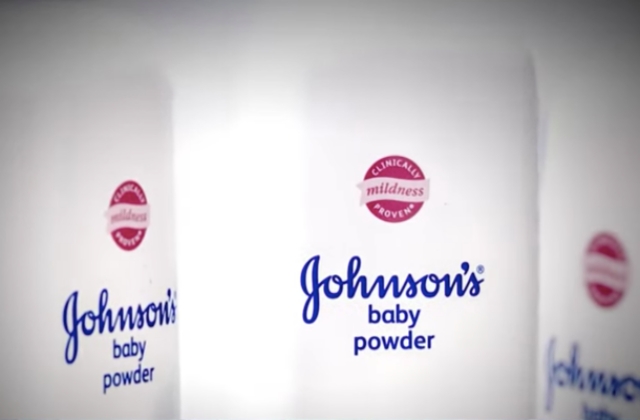
A major development has emerged in the long-running Johnson & Johnson talc litigation, marking a significant moment for tens of thousands of women who allege the company’s baby powder and other talc-based products caused their ovarian cancer. On Tuesday, a court-appointed special master recommended that plaintiffs be allowed to present expert testimony supporting a causal link between genital talc use and ovarian cancer, a decision that moves the federal cases closer to their first trial.
The recommendation was issued by retired U.S. District Judge Freda Wolfson, who evaluated whether expert testimony met federal scientific standards. The litigation, centralized in New Jersey federal court, includes more than 67,500 product liability lawsuits. These cases hinge heavily on expert evidence to establish whether Johnson & Johnson’s talc products are capable of causing cancer.
In a 658-page report, Wolfson concluded that the plaintiffs’ experts used reliable scientific methodologies and that epidemiological studies, both before and after 2020, collectively show a statistically significant association between genital talc powder use and ovarian cancer. She emphasized that the experts’ conclusions met the legal threshold required for testimony at trial, despite Johnson & Johnson’s ongoing dispute of the alleged link.
However, Wolfson sided with the company on other points, recommending the exclusion of expert testimony that attempted to link heavy metals or fragrance chemicals in the products to cancer. She also deferred rulings on several additional evidentiary issues, scheduling further hearings later this month and in early February.
The case is being overseen by U.S. District Judge Michael Shipp, who requested a reevaluation of the scientific evidence in light of updated federal rules governing expert testimony and the emergence of new research. Wolfson previously reviewed the evidence in 2020 and had then allowed expert testimony related to possible asbestos contamination, a claim Johnson & Johnson denies.
Johnson & Johnson has fought talc lawsuits for years, including multiple unsuccessful attempts to resolve the claims through bankruptcy, most recently rejected in April 2025. The company stopped selling talc-based baby powder in the U.S. in 2020, switching to cornstarch, while maintaining that its products are safe and do not cause cancer.
Plaintiffs’ attorneys hailed the recommendation as a crucial step toward accountability, while investors reacted cautiously, with Johnson & Johnson shares dipping slightly in after-hours trading. As the litigation advances, the ruling could prove pivotal in shaping the future of one of the largest mass tort cases in U.S. history.







