


 Deutsche Bank Fined A$2 Million by ASIC Over OTC Derivatives Reporting Errors
  Supreme Court Asked to Reinstate Mail-Order Access to Abortion Pill Mifepristone
  UK Sanctions 24 Russian-Linked Targets Over Cyberattacks and Election Interference
  Goldman AM Sees Strong Buyout Opportunities in Japan, South Korea and Australia
  Paramount-Warner Bros. Discovery Merger Faces Lawsuit From 12 States
  UNAIDS Urges U.S. to Reconsider South Africa HIV Funding Withdrawal
  SK Hynix Soars 13% in Nasdaq Debut After Record $26.5 Billion IPO
  Takeda Hit With $885M Verdict Over Amitiza Generic Drug Delay Scheme
  CDC Monitors U.S. Travelers After Hantavirus Outbreak on Luxury Cruise Ship
  South Korea Alleges Google Abused Android App Store Dominance, Eyes Major Fine
  Trump Moves to Remove Syria From U.S. Terrorism List, Paving Way for Investment
  Alcohol is one of the most dangerous drugs, yet its presence is ubiquitous in social settings and celebrations
  Vietnam’s population hit the 100 million milestone. Where’s it headed?
  Venezuela Earthquake Health Risks Rise as Disease Monitoring Intensifies
  DHS Investigates Cyber Breach in Homeland Security Information-Sharing Network


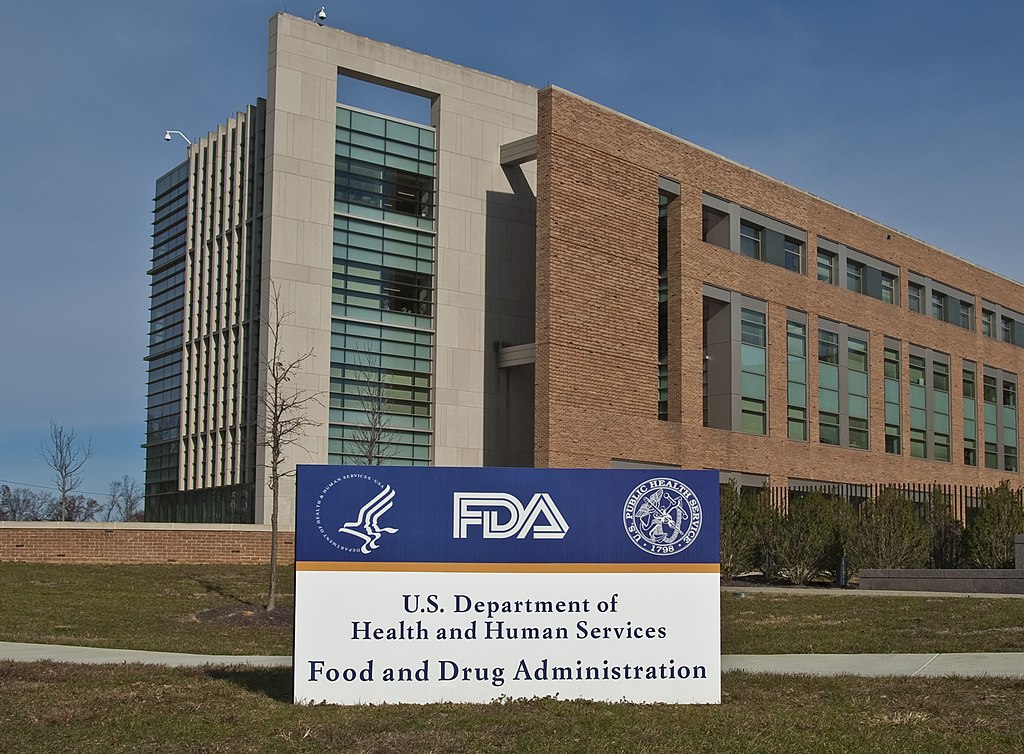
The U.S. Food and Drug Administration (FDA) has declined to review Moderna’s approval application for its experimental influenza vaccine, mRNA-1010, a decision that sent the company’s shares down about 8% in extended trading. Moderna disclosed that it received a refusal-to-file letter from the FDA, meaning the regulator will not initiate a formal review of the application at this time.
According to Moderna, the FDA’s Center for Biologics Evaluation and Research (CBER) cited a single issue as the basis for its decision. The agency said Moderna’s late-stage clinical trials compared mRNA-1010 to a standard-dose seasonal influenza vaccine that is already licensed, but that comparator did not represent the “best-available standard of care.” As a result, the FDA concluded that the studies did not meet the requirement for an “adequate and well-controlled” trial.
Moderna emphasized that the FDA did not raise any safety or efficacy concerns about the influenza vaccine itself. Chief Executive Officer Stéphane Bancel criticized the decision, saying it does not support the shared goal of strengthening U.S. leadership in innovative medicine development. He also noted that the refusal appeared inconsistent with prior written communications from the FDA and discussions held with CBER before the trials began.
The company’s marketing application for mRNA-1010 was supported by two late-stage studies that met their primary endpoints. Moderna previously reported that the vaccine demonstrated 26.6% higher efficacy compared with an approved annual flu shot from GSK. Bancel argued that using an FDA-approved influenza vaccine as a comparator should not be controversial, especially when the trial design had been discussed in advance with regulators.
Moderna has requested a meeting with the FDA to clarify the path forward for potential approval. The setback comes amid broader changes in the U.S. vaccine landscape, including a recent overhaul of federal childhood immunization guidance and the rollback of routine vaccination recommendations for several infectious diseases, including influenza.
Earlier this year, Moderna told Bloomberg TV that it does not plan to invest in new late-stage vaccine trials due to growing opposition to immunizations among some U.S. officials. The company also withdrew its application for a combined flu and COVID-19 vaccine last year to wait for additional efficacy data from its influenza program.
While the FDA review is on hold, Moderna said its influenza vaccine remains under regulatory review in the European Union, Canada, and Australia, with potential approvals expected in late 2026 or early 2027. Currently approved influenza vaccines in the U.S. include products from AstraZeneca and Sanofi.







