


 Goldman AM Sees Strong Buyout Opportunities in Japan, South Korea and Australia
  UBS Starts CarTrade Tech With Buy Rating, Sees Strong Earnings Growth and ₹4,000 Target
  Levi Strauss Raises 2026 Outlook After Q2 Earnings Beat, Shares Drop Despite Strong Results
  Apple Sues OpenAI, Former Employees Over Alleged Trade Secret Theft
  Samsung to Launch First Yongin Chip Plant by 2029 as South Korea Speeds Up Semiconductor Hub
  Oppenheimer Sees CNH Industrial as Top 2026 Agriculture Stock Pick on Dealer Consolidation Strategy
  Stellantis Q2 Vehicle Shipments Rise 10% as North America Drives Growth
  SK Hynix Shares Drop After Strong Nasdaq Debut Despite $26 Billion ADR Listing
  Muji Owner Ryohin Keikaku Stock Soars After Raising Full-Year Earnings Forecast
  Australia Flags Child Safety Gaps at Apple, Meta, Google Over Online Sexual Extortion
  Yaskawa Electric Shares Slide as Weak Profit Overshadows Strong AI Demand
  Morgan Stanley Says China’s Reusable Rocket Progress Poses Long-Term Challenge to SpaceX
  Kitron Q2 Revenue Beats Estimates as Defense Demand Lifts Growth
  Elon Musk Says Anthropic Leads AI Race as Claude Models Challenge OpenAI
  Samsung Chairman Lee Jae-yong Expected to Meet Nvidia CEO Jensen Huang on AI and Chip Partnership
  SK Hynix Prices Record U.S. ADR Offering at $149 After $200 Billion Investor Demand
  Paramount-Warner Bros. Discovery Merger Faces Lawsuit From 12 States


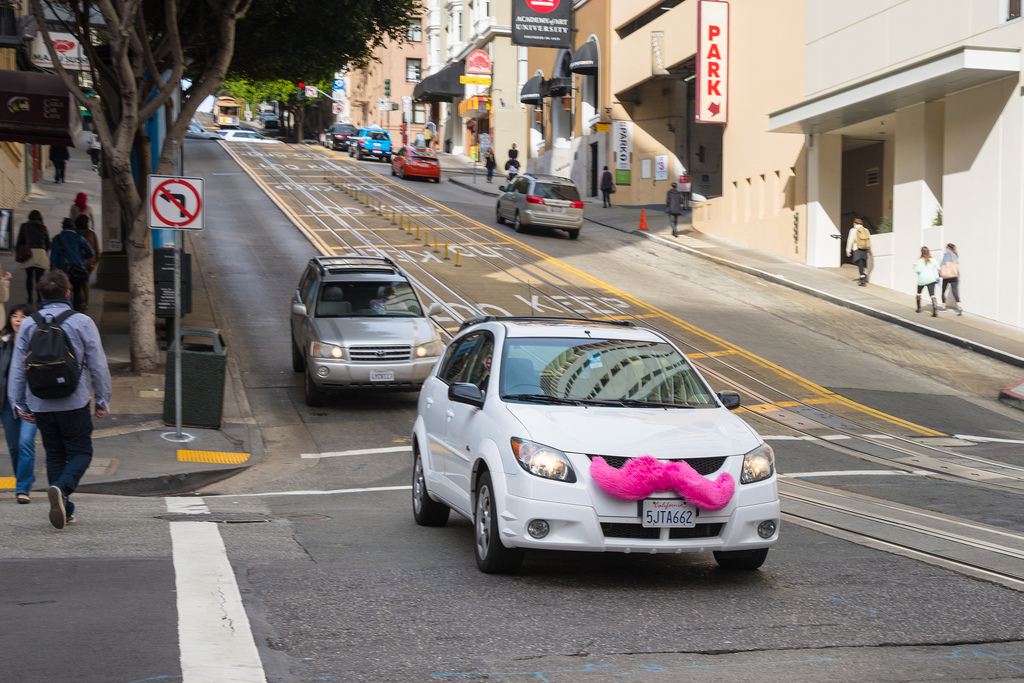
Lyft shares fell sharply in after-hours trading after the ride-hailing company forecast first-quarter adjusted core profit below Wall Street expectations, citing severe U.S. winter weather, seasonal cost pressures, and a surprise operating loss outlook for 2025. The disappointing guidance overshadowed signs of operational progress and a newly announced $1 billion share repurchase program.
The weaker outlook reflects disruptions caused by Winter Storm Fern, which significantly impacted travel demand across large parts of the United States, especially the East Coast. Lyft also pointed to seasonal factors that typically weigh on first-quarter performance, including fewer rider trips and slower adoption of pricing improvements early in the year. While California implemented regulatory changes on January 1 to lower rideshare insurance costs statewide, Lyft’s leadership expects the financial benefits to materialize gradually rather than immediately.
For the first quarter, Lyft projected adjusted core profit in the range of $120 million to $140 million, falling short of analyst estimates near $139 million. The company also reported an operating loss of $188.4 million for 2025, a stark contrast to expectations for a modest profit. This guidance raised concerns about the pace of Lyft’s recovery, particularly as competitors continue to post faster earnings growth.
Despite the near-term setback, Lyft’s underlying business showed strength in recent quarters. The company delivered its most profitable fourth quarter on record, supported by higher rider engagement and an increased mix of premium and higher-value ride options. Fourth-quarter revenue reached $1.59 billion, even after absorbing a sizable impact from legal, tax, and regulatory settlements.
Lyft generated $1.12 billion in free cash flow in 2025, exceeding analyst forecasts, and posted adjusted core earnings that beat expectations. Growth was fueled by expansion into Europe, larger and premium vehicle offerings, and strategic partnerships. Notably, partnerships accounted for roughly a quarter of all rides in the fourth quarter, with strong momentum from Lyft’s collaboration with DoorDash.
While short-term pressures remain, Lyft continues to invest in partnerships, geographic expansion, and operational efficiency as it works to strengthen its long-term growth outlook.







