


 Dollar Steadies as Traders Await Clarity on U.S.-Israel-Iran War
  Gold Prices Climb Above $5,200 as Iran War Uncertainty and Inflation Data Loom
  U.S. Solar Market Contracts in 2025 as Trump Rolls Back Renewable Energy Incentives
  U.S.-Israel War on Iran Sends Crude Oil Prices Surging Amid Strait of Hormuz Tensions
  Diesel Price Surge Threatens Global Economy Amid Middle East Conflict
  ANZ and Westpac Forecast Two RBA Rate Hikes in March and May 2026
  Oil Prices Surge Toward $100/Barrel After Tanker Attacks in Iraqi Waters
  IEA Releases Record 400 Million Barrels of Oil Amid U.S.-Iran War
  Iran-U.S. Oil Tensions Escalate as Revolutionary Guards Threaten Strait of Hormuz Blockade
  Bank of Japan Expected to Hold Rates at 0.75% Before June Hike Amid Middle East War Uncertainty
  Gold Prices Slip as U.S.-Israel-Iran War Fuels Dollar and Oil Demand
  China's Trade Surplus Surges Past Forecasts in Early 2026
  Iran-Israel War Sparks Global Oil Crisis as Tankers Burn in Gulf Waters
  RBA Set for Back-to-Back Rate Hikes, Westpac Forecasts
  Asia FX Steady as Iran War Signals and U.S. Inflation Data Weigh on Sentiment
  UK Housing Market Slows Amid Geopolitical Tensions and Mortgage Rate Fears


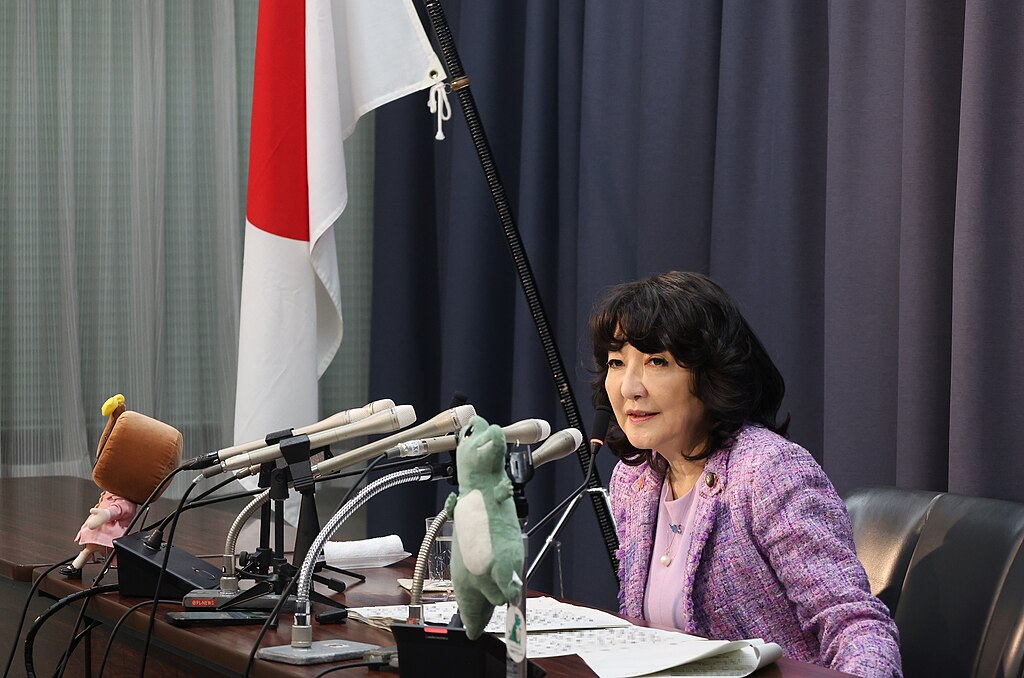
Japan’s government is considering whether surplus funds from its massive foreign exchange reserves could be used to help finance planned cuts to the food sales tax, according to comments made Tuesday by Japanese Minister of Finance Satsuki Katayama. The discussion comes as policymakers search for sustainable funding sources to offset potential revenue losses from tax relief measures aimed at easing the burden on households amid rising living costs.
Speaking at a press conference, Katayama acknowledged that Japan holds approximately $1.4 trillion in foreign currency reserves and said that using surplus generated from those reserves could be an option during broader fiscal discussions. She noted that in previous years, excess funds created through foreign exchange reserve operations had been transferred to the government’s general account, setting a precedent for such a move.
However, Katayama stopped short of confirming whether the government would take concrete steps in that direction. She declined to comment on the possibility of easing existing budgetary rules, which currently require at least 30% of annual surplus funds to remain in the reserve account. Relaxing that requirement would make it easier for the government to redirect more money into the general account, potentially helping to cover revenue shortfalls caused by tax cuts.
The idea of tapping foreign exchange reserve surpluses highlights the growing fiscal challenges facing Japan. While the country maintains one of the world’s largest stockpiles of foreign currency reserves, strict fiscal rules are designed to preserve financial stability and limit excessive reliance on one-off funding sources. Any decision to adjust those rules would likely spark debate among lawmakers and economists concerned about long-term fiscal discipline.
Planned reductions in the food sales tax have gained attention as part of broader efforts to support consumers, particularly lower-income households disproportionately affected by inflation. At the same time, policymakers must balance social support measures with the need to maintain sound public finances.
Katayama’s remarks suggest that while no immediate decision has been made, the government is keeping multiple options on the table. As discussions continue, markets and the public will be watching closely to see whether Japan ultimately chooses to leverage surplus foreign exchange reserves as part of its strategy to fund tax relief without significantly increasing public debt.













