


 Asian Stock Markets Rise as Oil Prices Pull Back; U.S. CPI in Focus
  Trump Administration Launches Trade Investigations Against 16 Countries Over Industrial Overcapacity
  Dollar Steadies as Traders Await Clarity on U.S.-Israel-Iran War
  Diesel Price Surge Threatens Global Economy Amid Middle East Conflict
  U.S.-Israel War on Iran Sends Crude Oil Prices Surging Amid Strait of Hormuz Tensions
  U.S. Calls for Reassessment of International Aid to Taliban-Ruled Afghanistan
  Japan's BOJ Independence Under Fire as PM Takaichi's Rate Stance Draws Political Heat
  Venezuela Names Paula Henao as New Oil Minister Amid U.S.-Led Industry Overhaul
  Trump Doubts Iran Mining Reports as Strait of Hormuz Tensions Escalate
  Iran-Israel War Sparks Global Oil Crisis as Tankers Burn in Gulf Waters
  Russian Drone Strikes Hit Kharkiv and Dnipro, Injuring Over 20 Civilians
  Shots Fired at U.S. Consulate in Toronto in Suspected National Security Incident
  Boeing Secures $289 Million Smart Bomb Contract With Israel
  Asia FX Steady as Iran War Signals and U.S. Inflation Data Weigh on Sentiment
  Trump-Putin Call Addresses Iran War, Ukraine Peace, and Global Oil Crisis
  Bank of Japan Expected to Hold Rates at 0.75% Before June Hike Amid Middle East War Uncertainty
  Iran-U.S. Oil Tensions Escalate as Revolutionary Guards Threaten Strait of Hormuz Blockade


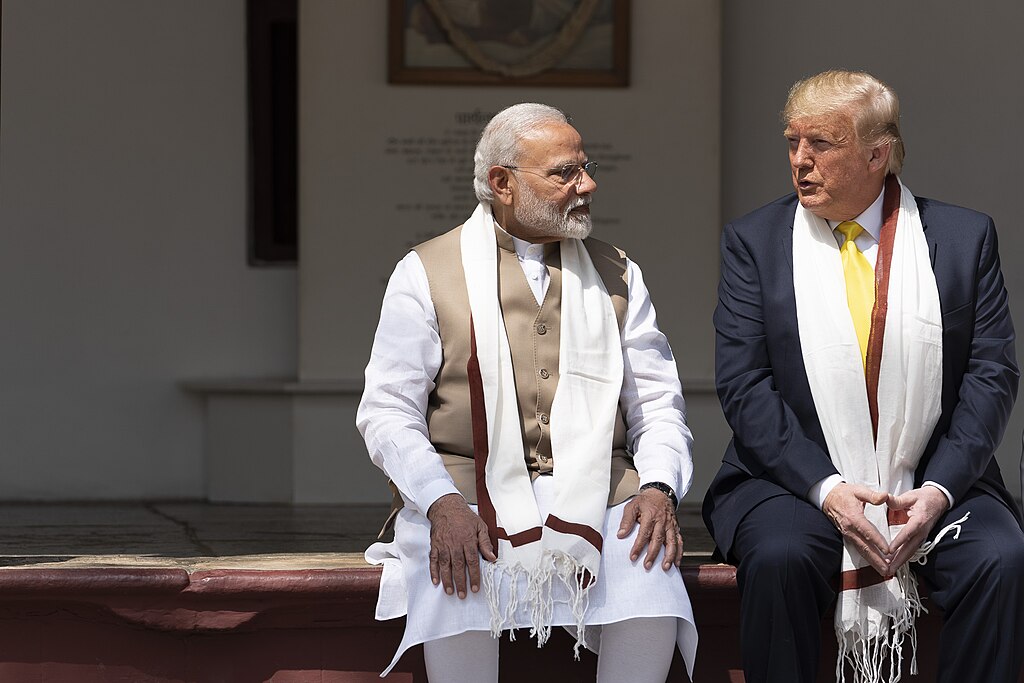
India has agreed to remove its digital services tax and committed to purchasing more than $500 billion worth of American goods under a recent trade agreement with the United States, according to a White House fact sheet released on Monday evening. The announcement marks a significant development in US–India trade relations and signals a broader shift in India’s trade and economic policy alignment with Washington.
As part of the deal, India will eliminate or substantially reduce tariffs on all US industrial goods, alongside a wide range of agricultural imports. These measures are expected to improve market access for American exporters while strengthening bilateral trade flows between the two economies. The agreement also includes India’s commitment to negotiate a new framework for bilateral digital trade rules, replacing policies that had previously been a point of contention between the two countries.
The White House said New Delhi has agreed to work closely with the US in the coming weeks to finalize additional trade agreements, suggesting that this deal is part of a broader, evolving economic partnership. The removal of India’s digital services tax is particularly notable, as the levy had affected major US technology companies and was a long-standing concern for American policymakers.
This latest fact sheet follows the signing of a trade agreement just one week earlier, under which the United States sharply reduced tariffs on Indian goods to 18%, down from 50%. In exchange, India agreed to halt purchases of Russian oil and implement regulatory changes that allow for increased imports from the United States, further deepening economic cooperation between the two nations.
The deal is being closely watched by global markets, as it reflects shifting geopolitical and trade dynamics, especially amid ongoing tensions involving Russia and global supply chains. Analysts say the agreement could reshape trade flows in technology, energy, agriculture, and manufacturing, while reinforcing the strategic partnership between Washington and New Delhi.
For investors and policymakers alike, the US–India trade deal represents a major step toward deeper economic integration and a rebalancing of global trade priorities.













