


 Trump Announces Russia-Ukraine Ceasefire for May 9-11 Amid Ongoing Peace Talks
  UN Experts Condemn Trump’s Cuba Fuel Blockade Amid Deepening Energy Crisis
  Rubio Approves $25.8 Billion Weapons Sale to Middle East Allies
  U.S., South Korea Launch Shipbuilding Partnership Initiative
  China Banks Halt New Loans to Sanctioned Refineries Amid U.S.-Iran Oil Crackdown
  Google Secures Pentagon AI Deal for Classified Projects
  U.S. Sanctions Former DR Congo President Joseph Kabila Over Rebel Support
  Pope Leo Calls for Peace as Vatican Seeks Better Ties With U.S.
  Panama Defends Port Takeover Amid U.S.-China Tensions and Canal Dispute
  Judge Rules DOGE Humanities Grant Cuts Unconstitutional
  US House Advances $70 Billion Immigration Enforcement Budget Plan
  Trump Administration Dismisses Entire National Science Board, Sparking Debate Over Scientific Independence
  CDC Monitors U.S. Travelers After Hantavirus Outbreak on Luxury Cruise Ship
  US Adds European Union to Section 301 Watchlist Amid Trade Concerns
  Judge Delays SEC Settlement With Elon Musk Over Twitter Stock Disclosure Case
  U.S. Flags Vietnam as “Priority Foreign Country” Over Intellectual Property Concerns
  Australia Launches Public Hearings on Bondi Beach Shooting and Rising Antisemitism


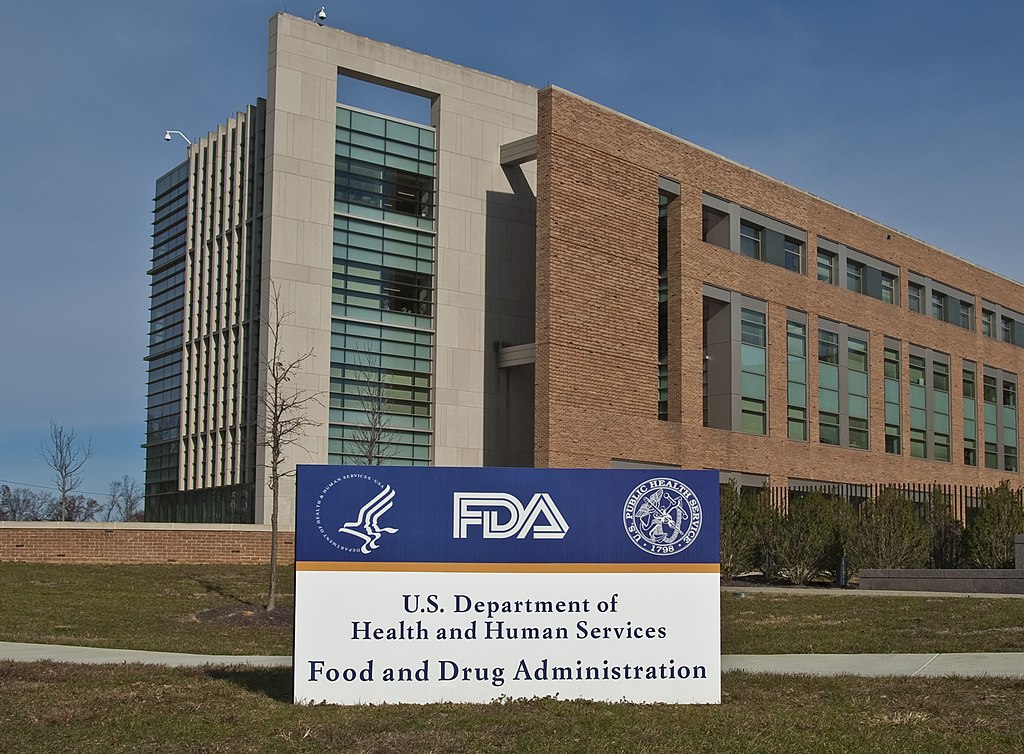
The U.S. Food and Drug Administration (FDA) has dismissed around 20 employees, including those overseeing Elon Musk’s Neuralink, as part of a broader federal workforce reduction, Reuters reported. The layoffs affected the FDA's office regulating brain-computer interface (BCI) technologies, including Neuralink's brain implant aimed at helping paralyzed patients control devices through thought.
While the dismissals were officially labeled as performance-related despite previous strong evaluations, sources suggest the reduction could delay medical device assessments. Former senior FDA official Victor Krauthamer noted that the firings create an “intimidating” environment for remaining staff handling Neuralink trials. The loss of key personnel raises concerns over potential regulatory bottlenecks, impacting not only Neuralink but also other BCI developers.
Neuralink, which received FDA fast-track designation last year for a separate implant designed to restore vision, may face hurdles as the agency copes with fewer reviewers. Elon Musk, known for advocating cost-cutting measures in government agencies involved with his ventures, reportedly influenced the broader downsizing efforts.
The FDA's staffing cuts come at a critical time for Neuralink as it advances its human trials, aiming to revolutionize neurotechnology. Experts warn that reduced regulatory capacity could slow innovation and approvals in the growing BCI sector. This development highlights the intersection of technology, regulation, and cost management, with potential implications for future advancements in brain implants and medical devices.
The dismissals underscore ongoing tensions between regulatory oversight and operational efficiencies, particularly in high-stakes fields like neurotechnology, where precision and safety are paramount.







