


 U.S. Flags Vietnam as “Priority Foreign Country” Over Intellectual Property Concerns
  Ukraine-Russia Ceasefire Confirmed as Prisoner Swap Deal Advances
  Dominican Republic Halts GoldQuest Mining Project Amid Environmental Protests
  New York Moves to Ban Masked Law Enforcement During Immigration Operations
  Trump Administration Dismisses Entire National Science Board, Sparking Debate Over Scientific Independence
  Ghana Rejects U.S. Health Deal Over Data Sharing Concerns Amid Foreign Aid Shift
  US Launches Retaliatory Strikes on Iran Amid Rising Strait of Hormuz Tensions
  Trump Announces Russia-Ukraine Ceasefire for May 9-11 Amid Ongoing Peace Talks
  Trump Says U.S. Navy Destroyers Passed Strait of Hormuz Under Iranian Fire
  Australia Launches Public Hearings on Bondi Beach Shooting and Rising Antisemitism
  Panama Defends Port Takeover Amid U.S.-China Tensions and Canal Dispute
  UN Experts Condemn Trump’s Cuba Fuel Blockade Amid Deepening Energy Crisis
  Lula and Trump Talks Signal New Phase in Brazil-US Relations
  US-Iran Ceasefire Under Pressure as Fresh Strait of Hormuz Clashes Shake Oil Markets
  Judge Rules Use of Military Lawyers in Civilian Prosecutions Is Lawful
  Israel Expands Gaza Restricted Zones, Raising Concerns for Civilians and Aid Access
  Federal and State Authorities Conduct Widespread Fraud Raids Across Minnesota


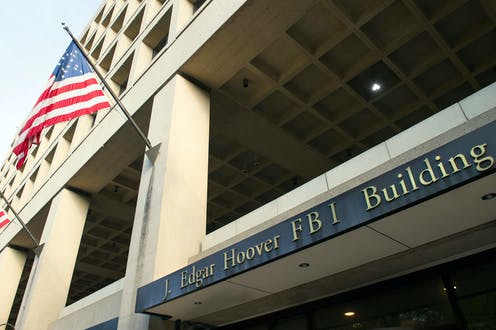
In a major policy shift, FBI agents have been ordered to dedicate roughly one-third of their time to immigration enforcement, scaling back their traditional focus on white-collar crime. According to sources familiar with the matter, this directive aligns with President Donald Trump’s intensified immigration crackdown and reflects broader changes in Justice Department priorities under Attorney General Pam Bondi.
The FBI's new enforcement direction was delivered in internal meetings on Monday, the same day Matthew Galeotti, head of the DOJ’s Criminal Division, released new prosecutorial guidelines. These instructions limit the scope and impact of white-collar investigations and urge prosecutors to assess whether federal criminal charges are truly necessary for corporate misconduct. In many cases, civil or administrative actions may suffice.
Historically, white-collar crime—including public corruption, foreign bribery, and kleptocracy—was a high priority. However, the DOJ now plans to focus more narrowly on specific cases like health care fraud, customs violations, elder securities fraud, complex money laundering (including Chinese Money Laundering Organizations), and financial enablers of terrorism and organized crime.
Galeotti also announced updates to the DOJ’s whistleblower award pilot program, designed to encourage tips that lead to asset forfeitures tied to immigration violations, sanctions breaches, and terrorism support.
The memo signals a strategic move to reduce the use of corporate monitors unless absolutely necessary, favoring internal compliance programs over external oversight.
While it's unclear how many FBI field offices will be affected, the changes reflect a broader reallocation of federal law enforcement resources away from financial crime and toward immigration-related priorities. Critics warn this shift could weaken corporate accountability, while supporters argue it enhances national security and enforcement efficiency.







