


 Trump Reportedly Approves Plan to Remove FDA Commissioner Marty Makary Amid Growing Controversies
  US Sanctions Target Iran’s Shadow Banking Network and Terror Financing
  Trump Administration Dismisses Entire National Science Board, Sparking Debate Over Scientific Independence
  US-Iran Ceasefire Under Pressure as Fresh Strait of Hormuz Clashes Shake Oil Markets
  Ukraine-Russia Ceasefire Confirmed as Prisoner Swap Deal Advances
  Trump Expands Cuba Sanctions Targeting Key Sectors and Foreign Entities
  U.S., South Korea Launch Shipbuilding Partnership Initiative
  Vietnam Plans AI-Driven Propaganda Push With Influencers and Podcasts
  Judge Rules DOGE Humanities Grant Cuts Unconstitutional
  Senate Stablecoin Bill Sparks Clash Between Banks and Crypto Industry
  Trump Invites Top CEOs Including Nvidia, Apple, Boeing to China Summit With Xi Jinping
  Trump-Xi Beijing Summit to Focus on Trade, Taiwan, and Boeing Deal
  UN Experts Condemn Trump’s Cuba Fuel Blockade Amid Deepening Energy Crisis
  TikTok Nears $400 Million Settlement With Trump Administration Over Child Privacy Lawsuit
  US Reviews Mexican Consulates Amid Rising Diplomatic Tensions
  Judge Delays SEC Settlement With Elon Musk Over Twitter Stock Disclosure Case


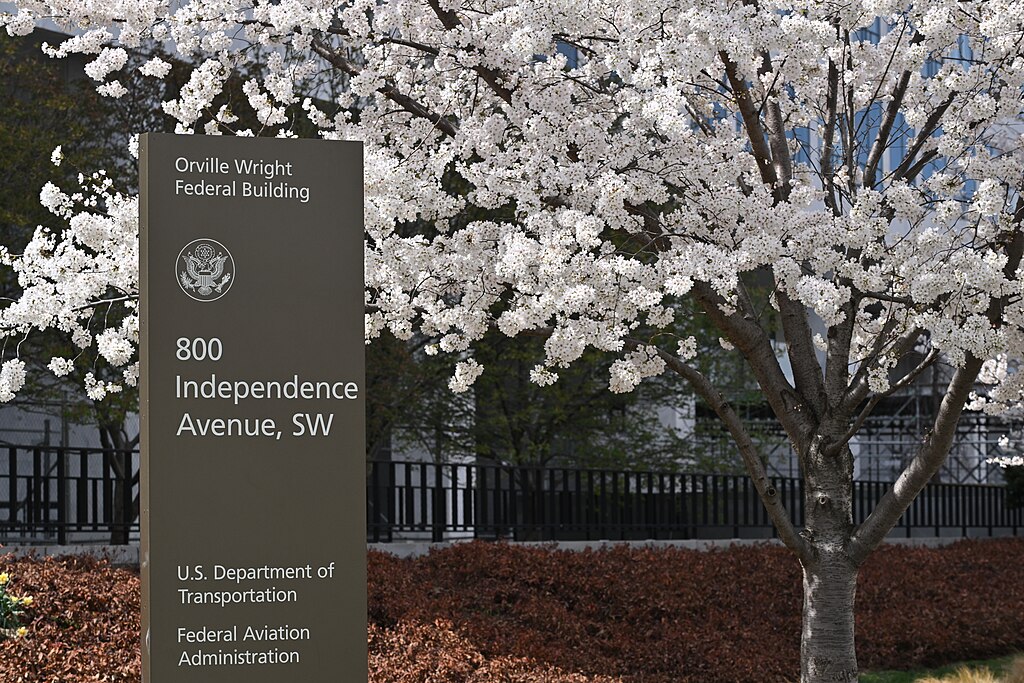
The U.S. Federal Aviation Administration (FAA) has issued a series of aviation safety warnings urging airlines to exercise heightened caution when flying over Central America, parts of South America, and nearby oceanic airspace. The advisories, which took effect on Friday and will remain in place for 60 days, cite increased risks related to potential military activity and GPS interference in the region.
According to the FAA, Notices to Airmen (NOTAMs) have been released covering Mexico, several Central American countries, as well as Ecuador, Colombia, and portions of the eastern Pacific Ocean. These flight warnings come at a time of escalating geopolitical tensions involving the United States and multiple regional governments.
The warnings follow a major U.S. military buildup in the southern Caribbean and a controversial military operation against Venezuela, during which U.S. forces reportedly seized Venezuelan President Nicolas Maduro. President Donald Trump has since suggested that further military actions could occur in the region, including possible operations involving Colombia. Trump has also claimed that drug cartels effectively control Mexico and has floated the idea of U.S. strikes on land targets to counter cartel activity.
In the aftermath of the Venezuela operation, the FAA temporarily restricted flights across large parts of the Caribbean, leading to hundreds of flight cancellations by major airlines. FAA Administrator Bryan Bedford told Reuters that the agency had coordinated closely with the U.S. military ahead of the Venezuela action to mitigate risks to civilian aviation.
Safety concerns have already materialized. Last month, JetBlue Flight 1112, an Airbus aircraft en route from Curacao to New York, was forced to take evasive action to avoid a mid-air collision with a U.S. Air Force tanker jet near Venezuelan airspace. The military aircraft reportedly did not have its transponder activated, raising alarms about airspace safety in the region.
The FAA warnings underscore growing concerns for airline operations over Central America and South America, highlighting the intersection of aviation safety, military activity, and regional instability.







