


 US Revises UN Resolution on Iran Strait of Hormuz Attacks Amid Russia-China Opposition
  Russia Downs Over 50 Drones Near Moscow Ahead of Victory Day Ceasefire
  Judge Rules DOGE Humanities Grant Cuts Unconstitutional
  Australia’s Wealthy Donors Shift Support to One Nation Amid Conservative Party Decline
  Lula and Trump Talks Signal New Phase in Brazil-US Relations
  US Launches Retaliatory Strikes on Iran Amid Rising Strait of Hormuz Tensions
  U.S.-China Beef Trade Deal Hopes Rise Ahead of Trump-Xi Summit
  Trump Administration Dismisses Entire National Science Board, Sparking Debate Over Scientific Independence
  Trump Invites Top CEOs Including Nvidia, Apple, Boeing to China Summit With Xi Jinping
  U.S. Fast-Tracks $8.6 Billion Arms Sales to Middle East Allies Amid Rising Tensions
  Brazil Pension Fund Crackdown After Banco Master Collapse Raises Investment Concerns
  Israel Expands Gaza Restricted Zones, Raising Concerns for Civilians and Aid Access
  U.S. Sanctions Former DR Congo President Joseph Kabila Over Rebel Support
  Trump Inspects Lincoln Memorial Reflecting Pool Renovation in Washington
  Judge Delays SEC Settlement With Elon Musk Over Twitter Stock Disclosure Case
  Oil Prices Surge as U.S.-Iran Conflict Threatens Strait of Hormuz Supply Route
  European Stocks Edge Higher as Iran-U.S. Peace Talks Boost Market Sentiment


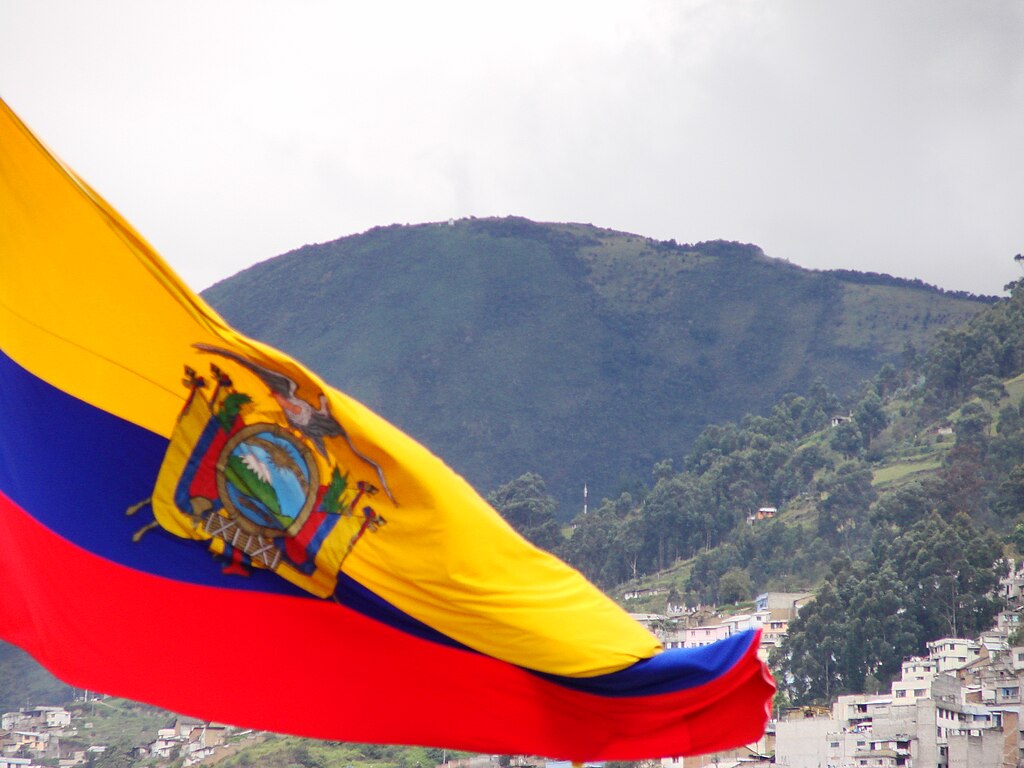
Ecuador will raise tariffs on Colombian imports to 50% starting March 1, escalating a growing trade dispute between the two neighboring countries. The decision, announced by Ecuador’s government on Thursday, deepens tensions fueled by concerns over border security, drug trafficking, and an ongoing trade imbalance.
The tariff increase follows an earlier move in February, when Ecuador imposed a 30% tariff on goods from Colombia. Officials cited a widening trade deficit and what they described as insufficient cooperation from Colombia in combating drug trafficking along their shared border. President Daniel Noboa has prioritized a hardline security strategy, expanding military involvement and invoking extraordinary powers to address rising crime linked to organized drug cartels.
Colombia has rejected claims that it is not cooperating. Authorities point to joint anti-narcotics operations that have resulted in significant cocaine seizures. Colombia remains one of the world’s largest cocaine producers, and traffickers frequently move shipments through Ecuador to reach markets in the United States and Europe.
In response to Ecuador’s earlier tariffs, Colombia suspended electricity exports to Ecuador, restricted certain overland food imports, and imposed its own 30% tariff on Ecuadorian goods. Ecuador relies heavily on Colombian electricity during drought periods when hydroelectric production declines. Ecuador also raised transit fees on Colombian crude oil transported through its SOTE pipeline by 900%, prompting Colombia to halt shipments.
Colombia’s Trade Minister Diana Marcela Morales said the government is reviewing potential countermeasures but remains open to dialogue and diplomatic solutions. Both countries have brought their complaints before the Andean Community of Nations (CAN), the regional trade bloc overseeing trade relations.
Ecuador reported a $1.03 billion trade deficit with Colombia through 2025, excluding oil. As trade tensions intensify, businesses on both sides of the border face growing uncertainty while leaders weigh further economic and diplomatic steps.







