


 Delcy Rodriguez Appears at ICJ Hearing Over Venezuela-Guyana Esequibo Dispute
  TikTok Nears $400 Million Settlement With Trump Administration Over Child Privacy Lawsuit
  Israeli Strikes in Gaza Kill Three Amid Fragile Ceasefire Tensions
  Qatar Condemns Drone Strike as Iran Conflict Threatens Gulf Shipping and Global Markets
  Malaysia Unveils Energy Security Plan Amid Iran Conflict and Rising Oil Costs
  Trump Reportedly Approves Plan to Remove FDA Commissioner Marty Makary Amid Growing Controversies
  Trump Credits Belarus Prisoner Release in U.S.-Backed Swap
  US Revises UN Resolution on Iran Strait of Hormuz Attacks Amid Russia-China Opposition
  Russian LNG Shadow Fleet Expands Amid Arctic LNG 2 Sanctions
  Senate Stablecoin Bill Sparks Clash Between Banks and Crypto Industry
  Trump-Xi Summit Sparks Renewed Hope for Americans Detained in China
  Netanyahu Signals Plan to End Reliance on U.S. Military Aid Within 10 Years
  Trump Administration Releases New UFO Files and Apollo Mission Records
  U.S., South Korea Launch Shipbuilding Partnership Initiative
  Iran Military Readiness Intensifies After Meeting With Mojtaba Khamenei
  US Auto Industry Urges Trump to Block Chinese EV Market Access


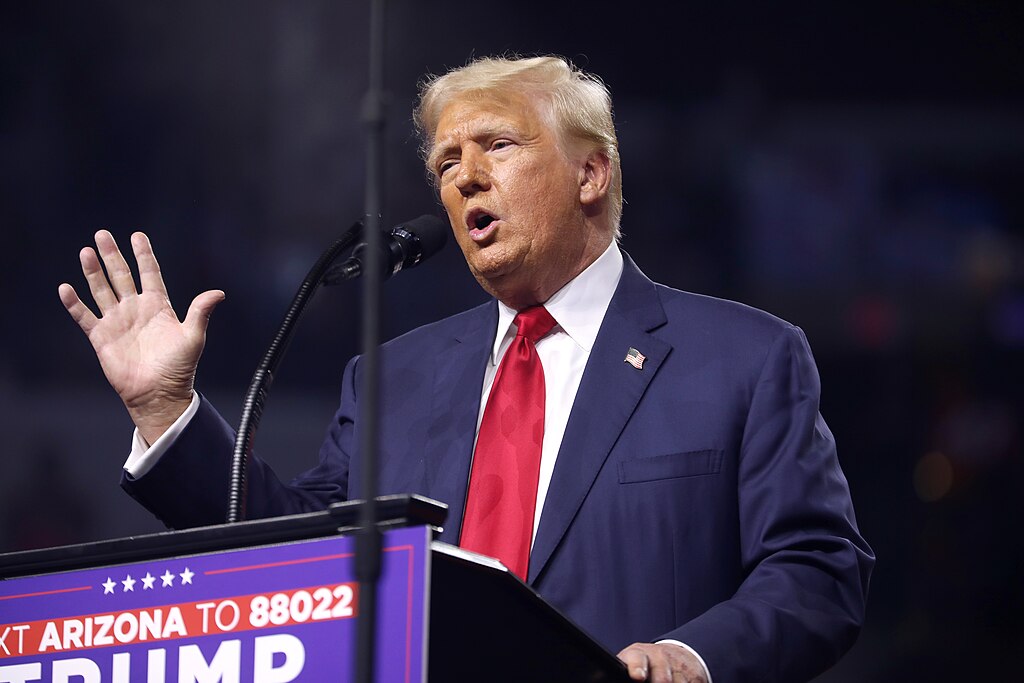
As inflation continues to grip the nation, former President Donald Trump has taken aim at Vice President Kamala Harris and the Biden administration, blaming them for rising food prices that are hitting American households hard. In a recent speech, Trump sharply criticized what he described as economic mismanagement, linking Harris directly to the rising cost of living. He argued that current food prices are unsustainable for working- and middle-class families.
During the COVID-19 pandemic and subsequent economic recovery efforts, inflation has been a dominant issue. Food prices, in particular, have been a growing concern as supply chain disruptions, labor shortages, and higher transportation costs have led to skyrocketing costs for everyday goods. According to data from the Bureau of Labor Statistics, the cost of food at home rose by over 11% from 2021 to 2022, leaving many Americans struggling to make ends meet.
Trump seized on these numbers, positioning himself as the candidate who can reverse the trend. He attributed the surge in food prices to what he called reckless spending and misguided economic policies, with Harris often in his crosshairs. The former president claimed that the administration's decisions—including supply chain policies, regulatory actions, and fiscal measures—have created an environment where prices have spiraled out of control.
Under the Biden-Harris administration, several key policies were enacted in response to the pandemic, including massive stimulus packages aimed at helping individuals and businesses recover. Critics, including Trump, argue that this level of spending has led to inflationary pressures that continue to ripple through the economy.
The administration, for its part, has defended its actions, pointing to global factors such as the war in Ukraine and ongoing supply chain challenges as contributors to rising costs. White House officials have also highlighted initiatives to lower inflation, such as efforts to increase food production domestically and support struggling farmers.
Trump, however, remains unconvinced, stating that Harris and Biden have failed to adequately address the needs of average Americans. He warned that unless drastic measures are taken, food prices will continue to rise, burdening families who are already struggling to afford basic necessities. He painted a stark contrast between the current administration's approach and his vision for lowering inflation and bringing relief to consumers.
EconoTimes cannot independently verify the claims made by Donald Trump regarding Kamala Harris' role in rising food prices. Inflation and food costs are influenced by multiple factors, including both domestic and global economic conditions.
As the 2024 election approaches, economic concerns like inflation and food prices are expected to remain front and center for voters. Trump’s focus on these issues marks a continuation of his strategy to position himself as the candidate who can restore economic stability. Whether his criticism of Harris will resonate with voters remains to be seen, but the debate over inflation is likely to intensify as the election cycle moves forward.







