


 US Auto Industry Urges Trump to Block Chinese EV Market Access
  Ukraine-Russia Ceasefire Confirmed as Prisoner Swap Deal Advances
  Mexico President Claudia Sheinbaum Reconsiders Early School Closure Plan Ahead of 2026 World Cup
  Israeli Strikes in Gaza Kill Three Amid Fragile Ceasefire Tensions
  Trump Administration Releases New UFO Files and Apollo Mission Records
  Judge Delays SEC Settlement With Elon Musk Over Twitter Stock Disclosure Case
  Israel’s Secret Iraq Base Allegedly Supported Iran Air Campaign, WSJ Reports
  US Revises UN Resolution on Iran Strait of Hormuz Attacks Amid Russia-China Opposition
  Germany Rejects Putin’s Proposal for Schroeder to Mediate Ukraine Peace Talks
  Russia Accuses Ukraine of Ceasefire Violations Amid Drone and Artillery Attacks
  Trump to Visit China for Key U.S.-China Summit With Xi Jinping
  Taiwan Confident in Strong U.S. Relations Ahead of Trump-Xi China Summit
  Trump Reportedly Approves Plan to Remove FDA Commissioner Marty Makary Amid Growing Controversies
  Russian LNG Shadow Fleet Expands Amid Arctic LNG 2 Sanctions
  Senate Stablecoin Bill Sparks Clash Between Banks and Crypto Industry


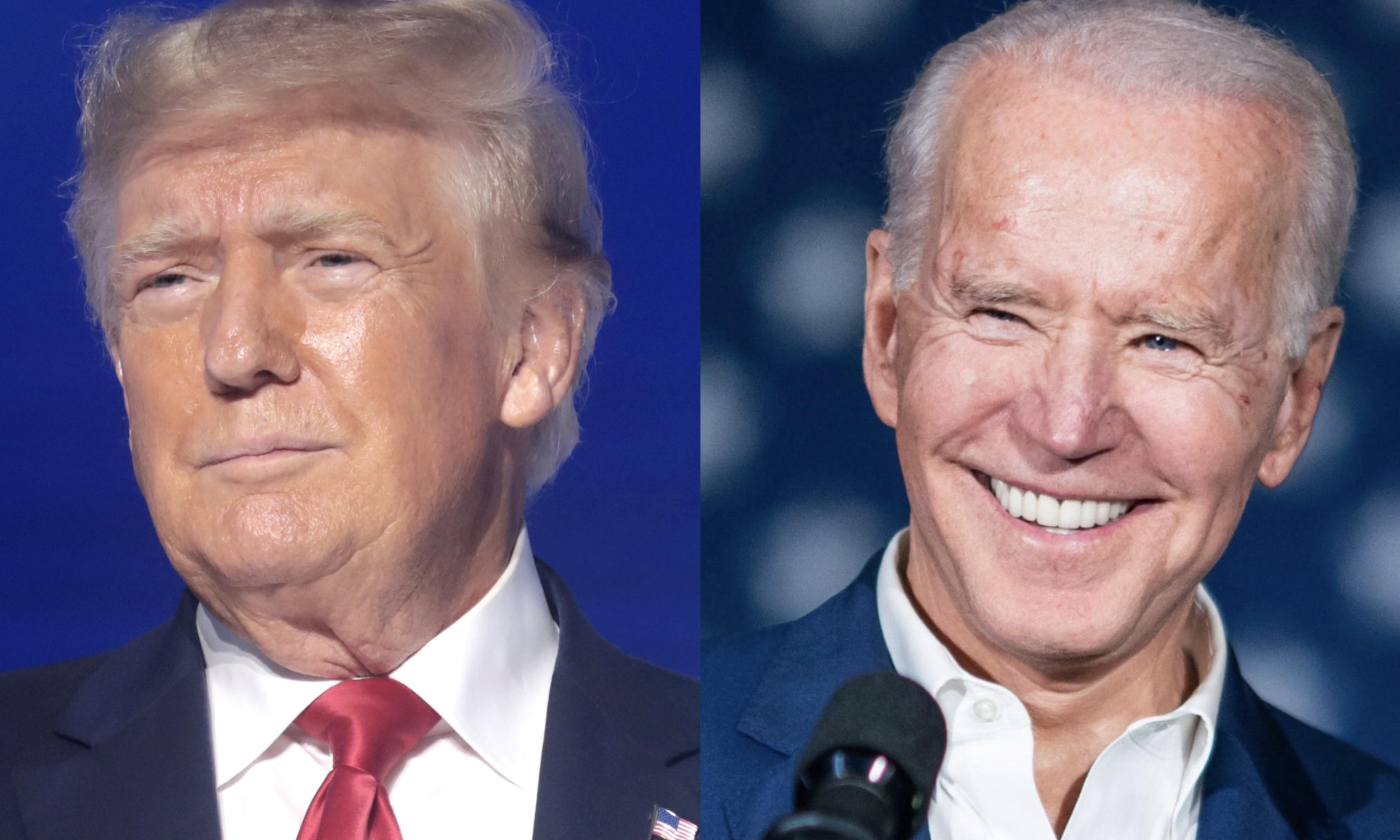
As the 2024 U.S. presidential election looms, the debate over global safety under former President Donald Trump and current President Joe Biden has gained renewed attention. Supporters of Trump argue that the world was more secure during his administration, citing specific foreign policy moves that they claim deterred conflicts and promoted stability. Critics of Biden, on the other hand, point to what they describe as a decline in global order since he took office, raising concerns over how international relations have shifted under his leadership.
During Trump’s presidency, his administration followed a unique approach to foreign policy, favoring direct engagement with authoritarian leaders such as North Korea’s Kim Jong-un and Russia’s Vladimir Putin. His administration also adopted an "America First" stance, which prioritized U.S. interests while challenging long-standing alliances, such as those with NATO and European partners. Trump withdrew the U.S. from several multilateral agreements, including the Iran nuclear deal, a move that supporters claim increased pressure on Tehran and contributed to regional stability in the Middle East.
Additionally, Trump’s administration oversaw a relatively calm period in terms of U.S. military engagement abroad, reducing troops in conflict zones like Afghanistan, Iraq, and Syria. Advocates of Trump's policies argue that his tough rhetoric and unpredictability kept adversarial nations in check, contributing to a safer global environment.
In contrast, Biden’s presidency has been marked by a return to traditional diplomacy, emphasizing alliances, climate change agreements, and a commitment to multilateralism. However, Biden has faced criticism for the chaotic withdrawal of U.S. forces from Afghanistan in 2021, which many viewed as a sign of weakened U.S. influence in global affairs. The Taliban's rapid takeover of Afghanistan raised concerns about the stability of the region and left Biden’s foreign policy decisions open to scrutiny.
Furthermore, the ongoing war between Russia and Ukraine has tested Biden’s leadership on the global stage. While Biden has rallied NATO allies and provided critical support to Ukraine, the conflict has destabilized Europe, causing ripple effects across global energy markets and security dynamics. Critics argue that Russia’s aggression may not have occurred if Trump had remained in office, pointing to Trump’s relatively conciliatory approach toward Moscow during his presidency.
Despite these criticisms, Biden has taken steps to strengthen alliances, repair U.S. relations with international organizations, and confront global challenges such as China’s increasing assertiveness in the Indo-Pacific region. Under Biden, the U.S. has reaffirmed its commitment to NATO, emphasized collective security, and worked to reinvigorate U.S. leadership on climate change and global health.
EconoTimes cannot independently verify claims regarding global safety comparisons between the Trump and Biden administrations. The debate over world safety remains complex and is influenced by a range of political, economic, and security factors.
While both Trump and Biden have taken distinctly different approaches to international relations, the broader question of whether the world is safer under one leader or another depends largely on perspectives shaped by political affiliation, global events, and evolving geopolitical landscapes. As the world continues to face multiple challenges, from conflict in Europe to tensions in Asia, the question of global safety remains central to U.S. foreign policy debates ahead of the 2024 election.







