


 Moonshot AI Executives Seek Settlement Ahead of Hong Kong IPO
  Uber Exits Four African Markets Amid Rising Competition
  Ethereum Foundation-Linked Wallets Move $11.13M in ETH to Kraken
  Russia Approves Sberbank for Crypto Exchange Services
  Epic Games Delays Disney Shooter, Shifts to AI-First Development
  TSMC Profit Set to Surge 65% as AI Chip Demand Drives Record Earnings
  Apple Supplier Luxshare Faces US Patent Probe, Sees Limited Impact
  Hong Kong’s Second Solana ETF Launches With Lower Fees
  Albertsons Seeks $9.3 Billion From Kroger Over Failed Merger
  Airbus Tests Valkyrie Combat Drone in Europe for Eurofighter Integration
  PepsiCo Slashes Poppi Earnout Valuation as Growth Slows
  Coinbase CEO Backs SEC Accredited Investor Reform
  European Auto Stocks Rise as EU-China Trade Deal Targets Hybrid Imports
  Yandex Data Center Hit by Drone Strike as Russia-Ukraine Cyber Infrastructure Attacks Escalate
  Canton Network Expands in South Korea With Major Partnerships
  Bumble Shares Surge 50% on $1 Billion Buyout Talks


 Add as a preferred source on Google
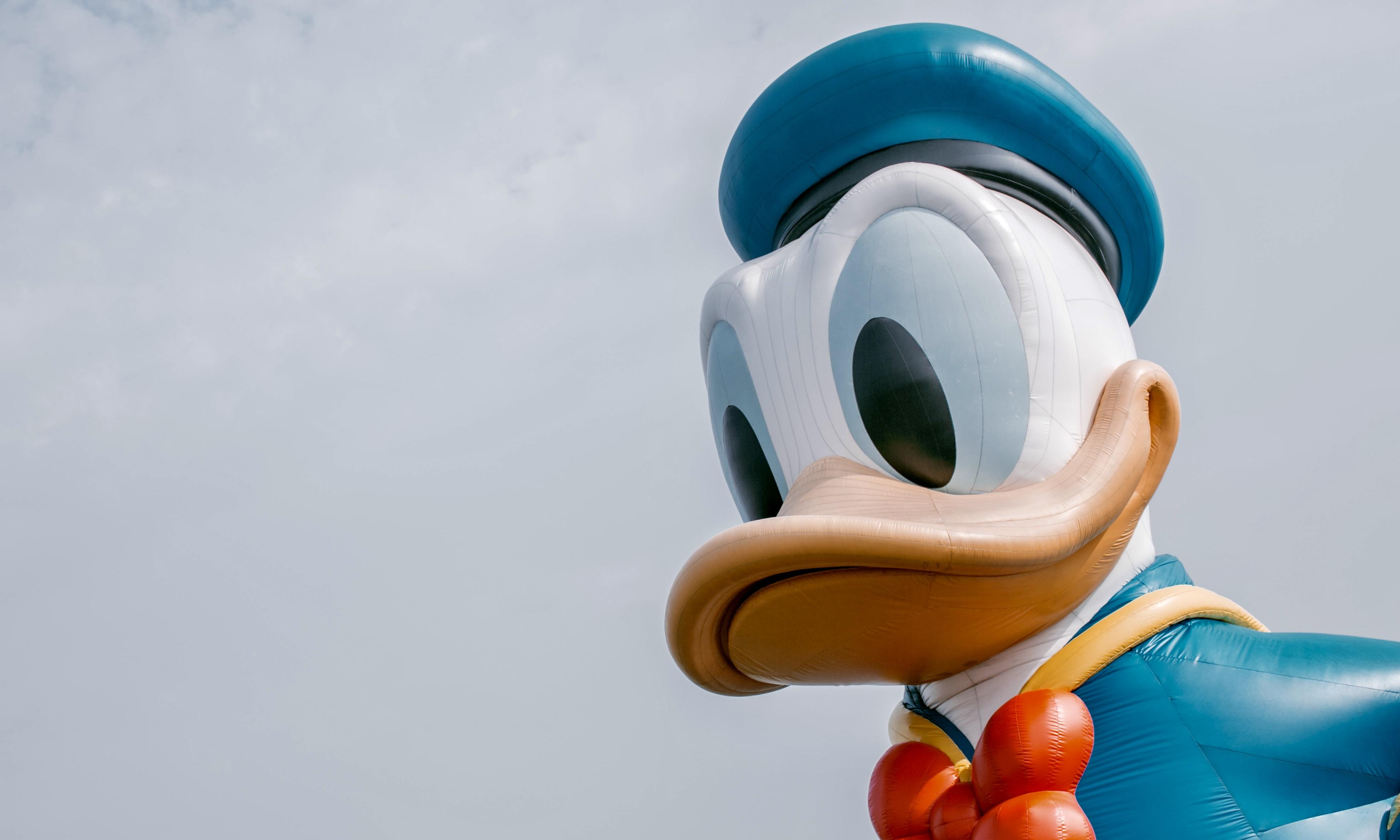
A potential merger between Walt Disney's India unit and billionaire Mukesh Ambani's media business is anticipated to draw intense antitrust scrutiny. According to legal experts, such a deal would require the shedding of assets.
Disney and Reliance Aim for Dominance in Streaming Landscape
Disney and India's Reliance, both owners of major streaming services and a combined total of 120 TV channels, are exploring the possibility of merging into an entity where Ambani's group would hold a majority stake, according to Reuters.
Should the deal go through, it would be the second merger to significantly reshape India's TV and streaming landscape. Notably, Japan's Sony also plans to merge its India business with Zee Entertainment.
The Zee-Sony merger proposal successfully passed the review by the Competition Commission of India (CCI) last year and is slated for finalization in the coming weeks. As part of their agreement for regulatory acceptance, three of Zee's Hindi TV channels will be divested.
Emerging Duopoly Raises Anticompetitive Concerns
While Netflix and Amazon already compete in India's burgeoning $28 billion media and entertainment market, the emergence of two industry behemoths would likely create a duopoly with substantial anticompetitive power over advertisers, users, and content creators, caution antitrust lawyers.
Experts predict that the Disney-Reliance merger might face increased scrutiny due to the concentration of market power resulting from the Zee-Sony merger, as per The Economic Times. This could pose challenges for their path to CCI approval, highlights Avimukt Dar, founding partner at India's IndusLaw.
Regulatory Focus on Streaming Dominance and Cricket Rights
In the event of a Disney-Reliance merger, regulators would closely scrutinize their streaming businesses, particularly their influence over advertising during cricket matches - a sport that commands fanatical devotion in India. Notably, Disney Hotstar and Reliance's JioCinema app hold broadcasting rights for major cricket events.
The CCI has concerns about the combined entity's strong market presence in streaming, which could enable them to dictate rates, leaving advertisers with limited bargaining power. Moreover, the potential merger's impact on the TV ads market is significant, with Disney and Viacom18 expected to hold the largest share at 43%.
With a combined 25% share of the TV ads market, Zee-Sony's merger aims to challenge the dominance of Disney and Viacom18. However, the substantial market presence of the merged entities may make it difficult for other competitors to compete effectively.
Photo: Kin Li/Unsplash







