


 Missouri Judge Dismisses Lawsuit Challenging Starbucks’ Diversity and Inclusion Policies
  Trump Backs Nexstar–Tegna Merger Amid Shifting U.S. Media Landscape
  Trump Endorses Japan’s Sanae Takaichi Ahead of Crucial Election Amid Market and China Tensions
  TrumpRx.gov Highlights GLP-1 Drug Discounts but Offers Limited Savings for Most Americans
  Trump Allows Commercial Fishing in Protected New England Waters
  New York Legalizes Medical Aid in Dying for Terminally Ill Patients
  Trump Lifts 25% Tariff on Indian Goods in Strategic U.S.–India Trade and Energy Deal
  U.S.-India Trade Framework Signals Major Shift in Tariffs, Energy, and Supply Chains
  China Warns US Arms Sales to Taiwan Could Disrupt Trump’s Planned Visit
  Trump Signs Executive Order Threatening 25% Tariffs on Countries Trading With Iran
  U.S. Announces Additional $6 Million in Humanitarian Aid to Cuba Amid Oil Sanctions and Fuel Shortages
  India–U.S. Interim Trade Pact Cuts Auto Tariffs but Leaves Tesla Out
  Federal Judge Restores Funding for Gateway Rail Tunnel Project
  Japan Election 2026: Sanae Takaichi Poised for Landslide Win Despite Record Snowfall
  US Pushes Ukraine-Russia Peace Talks Before Summer Amid Escalating Attacks
  Norway Opens Corruption Probe Into Former PM and Nobel Committee Chair Thorbjoern Jagland Over Epstein Links
  Trump Signs “America First Arms Transfer Strategy” to Prioritize U.S. Weapons Sales


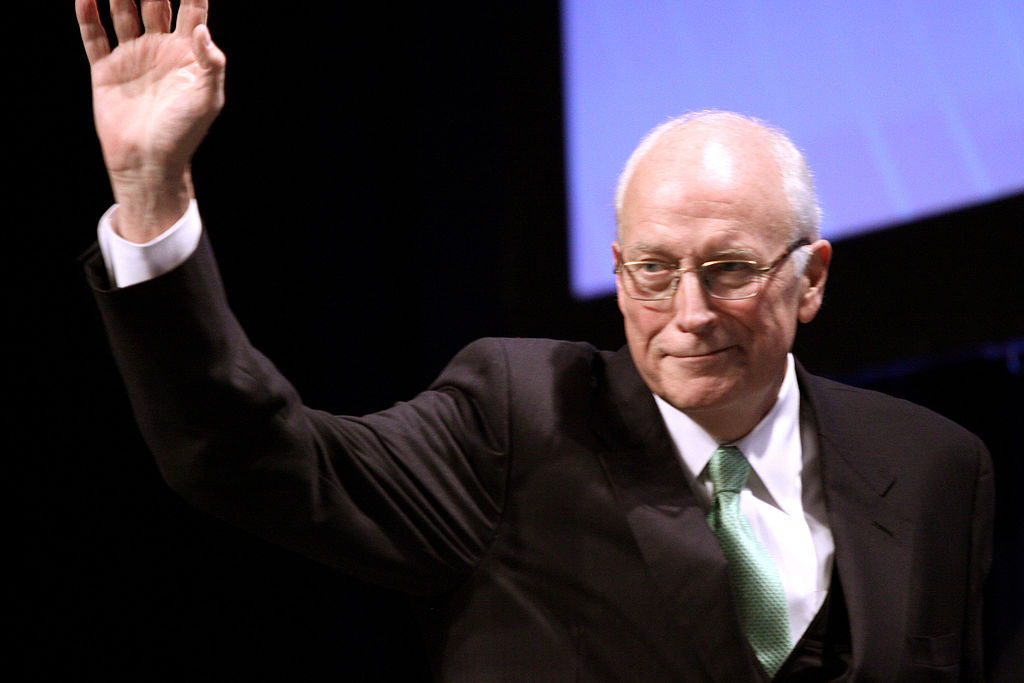
Dick Cheney, one of the most powerful vice presidents in U.S. history and a key figure behind the 2003 Iraq invasion, died Monday at age 84 from complications of pneumonia and heart disease, his family announced. A dominant Republican force, Cheney served as vice president under George W. Bush from 2001 to 2009, shaping U.S. foreign policy in the post-9/11 era and expanding executive authority in Washington.
A former Wyoming congressman and defense secretary under George H.W. Bush, Cheney played a pivotal role in pushing for the Iraq War, asserting that Saddam Hussein possessed weapons of mass destruction—a claim later disproven. Despite criticism, Cheney defended the invasion as justified by the intelligence available at the time. He also championed controversial “enhanced interrogation” methods that human rights groups later condemned as torture. His deep influence and aggressive approach to national security earned him comparisons to “Darth Vader,” a label he humorously embraced.
Born in Lincoln, Nebraska, on January 30, 1941, Cheney grew up in Wyoming and earned degrees from the University of Wyoming after briefly attending Yale. Before entering politics, he worked on power line construction projects. His long-time political ally Donald Rumsfeld mentored him early in his career, and together they shaped Republican defense policy for decades.
Cheney’s private-sector career included leading Halliburton, an oil services company that profited heavily from Iraq War contracts, drawing scrutiny over potential conflicts of interest. His daughter Liz Cheney followed him into politics, later clashing with the Trump wing of the Republican Party. Cheney, once a stalwart conservative, publicly denounced Donald Trump, calling him the greatest threat to U.S. democracy.
Despite decades of controversy—from the Iraq War to a hunting accident that made global headlines—Cheney’s impact on American politics and foreign policy remains profound. He is survived by his wife Lynne and daughters Liz and Mary.













