


 U.S. Flags Vietnam as “Priority Foreign Country” Over Intellectual Property Concerns
  Trump Administration Releases New UFO Files and Apollo Mission Records
  Judge Rules Use of Military Lawyers in Civilian Prosecutions Is Lawful
  Trump Announces Russia-Ukraine Ceasefire for May 9-11 Amid Ongoing Peace Talks
  New York Moves to Ban Masked Law Enforcement During Immigration Operations
  Lula and Trump Talks Signal New Phase in Brazil-US Relations
  Trump Administration Dismisses Entire National Science Board, Raising Concerns Over Scientific Independence
  Trump-Xi Beijing Summit to Focus on Trade, Taiwan, and Boeing Deal
  Pope Leo Calls for Peace as Vatican Seeks Better Ties With U.S.
  Trump Inspects Lincoln Memorial Reflecting Pool Renovation in Washington
  Mexico President Claudia Sheinbaum Reconsiders Early School Closure Plan Ahead of 2026 World Cup
  US Adds European Union to Section 301 Watchlist Amid Trade Concerns
  Australia’s Wealthy Donors Shift Support to One Nation Amid Conservative Party Decline
  China-Made Fireworks Power U.S. Independence Day Celebrations Amid Trade Truce
  Dominican Republic Halts GoldQuest Mining Project Amid Environmental Protests
  UN Experts Condemn Trump’s Cuba Fuel Blockade Amid Deepening Energy Crisis
  Brazil Pension Fund Crackdown After Banco Master Collapse Raises Investment Concerns


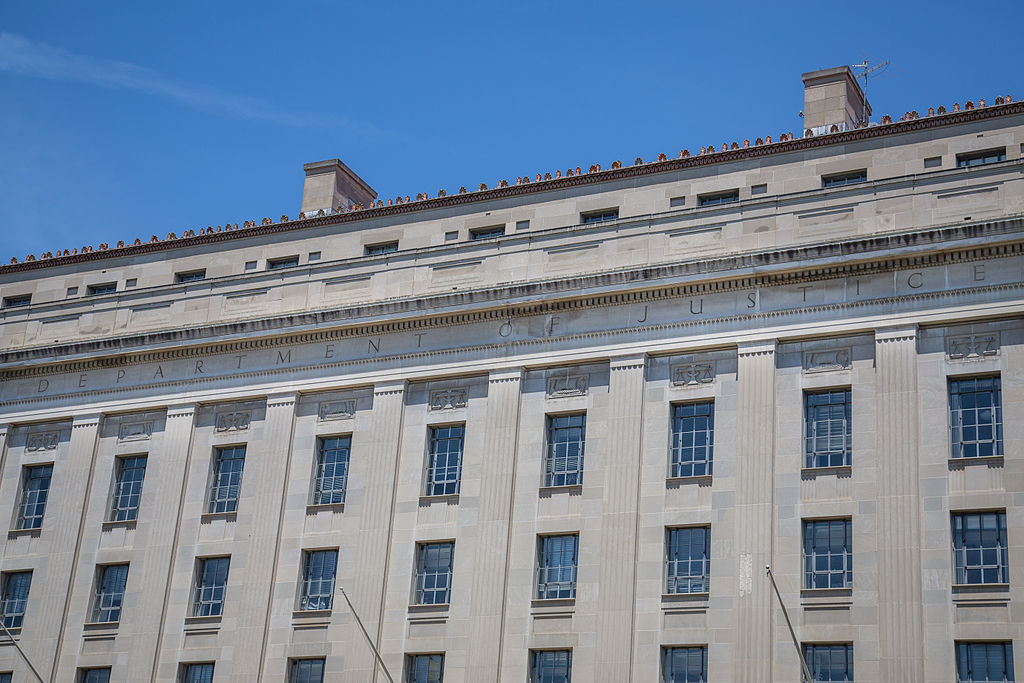
The U.S. Department of Justice (DOJ) is moving forward with plans to merge the Drug Enforcement Administration (DEA) and the Bureau of Alcohol, Tobacco, Firearms and Explosives (ATF), according to sources familiar with the matter. The consolidation, which would mark the DOJ's most significant restructuring since 9/11, is expected to be proposed as part of the White House's full fiscal year 2026 budget.
Officials from both agencies were briefed on the plan during a Thursday meeting, with a tentative timeline targeting October for the merger. While the DOJ aims to streamline operations and budgets, the proposal still requires congressional approval. Current federal law prohibits the transfer of ATF funds to other departments, presenting a potential legal hurdle.
The idea first surfaced in March in a memo from Deputy Attorney General Todd Blanche, who suggested multiple structural changes across the DOJ. While several of those changes, such as the breakup of the Tax Division and Consumer Protection Branch, have already been approved, the DEA-ATF merger remains under discussion.
Combining the two agencies would create significant logistical challenges, particularly in merging their distinct missions. The DEA oversees drug enforcement and the regulation of pharmacies and drug manufacturers, while the ATF focuses on firearms regulation and explosives control.
A recent internal DOJ email confirmed that many of Blanche’s reorganization initiatives are advancing. However, concerns remain within both agencies that merging budgets won’t sufficiently cover rising operational costs. The White House’s initial “skinny” FY2026 budget already outlined substantial cuts to the DOJ, including reductions for the FBI, DEA, and ATF.
As the DOJ pushes forward, the proposed merger could reshape federal law enforcement and redefine how the U.S. tackles drug and firearm-related crimes.







